Page 40 - Home Page Latest Post
- - December 04, 2025
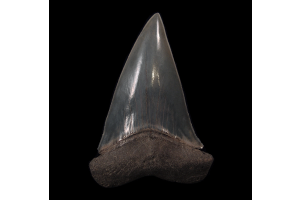
Collectors today face a growing challenge in acquiring one particular fossil: the Aurora megalodon tooth. Known for its sharp preservation, striking coloration, and regional rarity, this fossil once flowed into collector markets through a reliable source. That source, the Lee Creek mine near Aurora, supplied tooth specimens with unmatched characteristics. However, as access to this site has closed and collector behavior has shifted, these prized fossils have become harder to find. Understanding why this change matters helps both new and seasoned fossil hunters navigate a tightening and more competitive marketplace.
Why the Aurora Megalodon Tooth from Lee Creek Stood Out for Discovery?
The Lee Creek mine earned global recognition for the fossilized marine life it preserved beneath its phosphate-rich layers. Among the many finds, the megalodon teeth stood out for their exceptional size, high-quality enamel, and region-specific colors. Collectors could identify the origin of many teeth at
- - December 04, 2025
Imagine standing by a riverbank or sandy shore, sifting through shells and pebbles when suddenly you spot something large, dark, and triangular. That moment—when your heart races with excitement—is what fossil hunters live for. If you’ve ever dreamed of finding a megalodon tooth, this guide will help you take the first thrilling step toward uncovering prehistoric treasures. At Buried Treasure Fossils, we’re passionate about making fossil discovery fun, educational, and accessible for all curious explorers.
The Ancient Giant of the Sea
Millions of years ago, long before humans roamed the Earth, the oceans were ruled by an enormous predator—the Megalodon. This prehistoric shark could grow up to 60 feet long and had teeth as big as your hand! Each of these teeth tells a story about the ocean world that existed over 3.6 million years ago. Because sharks constantly shed teeth throughout their lives, thousands of fossilized specimens remain buried beneath layers of sediment, waiting to be found.
- - December 04, 2025
Megalodon teeth are more than fossilized remains. They are ancient relics that bridge millions of years of prehistoric history. As fossil collectors and enthusiasts, we understand the excitement that comes with finding a real megalodon tooth for sale. But with this excitement comes responsibility. Authenticity matters, especially when you're investing in a rare and valuable piece of natural history. Here's how you can confidently determine whether that tooth you're eyeing is the real thing.
Understand What Makes a Megalodon Tooth Unique
Megalodon teeth are known for their sheer size and triangular shape. These teeth can reach lengths of over 7 inches and have sharp, serrated edges with a robust root. The enamel typically exhibits a smooth texture with colors ranging from jet black to creamy tan, depending on the sediment in which it was preserved. Familiarizing yourself with these basic visual characteristics is the first step in identifying authenticity.
Pay Attention to Size, Shape,
- - December 04, 2025
The prehistoric oceans were home to some of the most formidable predators the world has ever known. At the very top of that food chain was the Otodus megalodon, a creature so massive and dominant that its legacy continues to captivate fossil enthusiasts to this day. At Buried Treasure Fossils, we are proud to offer rare and museum-quality fossils that bring the grandeur of this ancient predator back to life.
One of the most remarkable pieces in our collection is a 6-5/16" Top Quality Megalodon tooth from Georgia. This extraordinary specimen is from the upper jaw’s Principal Anterior position and stands out for its sheer size, deep gray-blue coloration, and excellent preservation. Weighing over 1.25 pounds and featuring sharp serrations with a bold root structure, this is not just a fossil — it's a timeless treasure that speaks volumes about Earth's ancient marine life.
If you're searching for a true showstopper, this Megalodon tooth is an unbeatable addition to your fossil display.
A
- - December 04, 2025
At Buried Treasure Fossils, we’re proud to bring you some of the most extraordinary fossil specimens from around the world. One of our most striking offerings is a Black Megalodon tooth from a new fossil site in West Java, Indonesia. This isn’t just any fossil — it’s a truly captivating piece from the upper jaw of the most formidable predator the ocean has ever known: Carcharocles megalodon. With its deep black enamel, nearly flawless bourlette, and razor-sharp serrations, this tooth is a showcase of both prehistoric power and natural artistry.
In this blog, we invite you to explore what makes this particular specimen so special, why it stands out in the fossil world, and how owning such a piece offers a unique connection to Earth’s ancient past.
A Glimpse Into Prehistoric Depths
The Megalodon ruled the oceans during the Miocene era, a time long before humans roamed the Earth. This apex predator’s sheer size and strength are legendary — some estimates suggest they grew over 50 feet in
- - December 04, 2025
When a man finds a tooth of megalodon in an area most collectors overlook, the discovery forces a shift in how we think about fossil hunting. That single moment speaks to something larger. It challenges the notion that only well-known fossil sites are significant. It reminds us that ancient remnants often lie buried in places where people abandon or ignore them. For fossil collectors, this becomes a real opportunity. This discovery revives questions about land, erosion, timing, and strategy. It opens the door for fresh exploration in spaces we once considered exhausted or unpromising.
Why This Discovery Demands a Fresh Look
Most seasoned collectors follow routines. They search in rivers known for marine fossils or visit places where past discoveries have often happened. That pattern makes sense. These areas build reputations because they deliver. But fossils do not follow public memory. Sediment moves. Water uncovers. Wind and rain reshape the land. What lay hidden ten years ago may now
- - December 04, 2025
Collectors and fossil buyers do not look for decorations. They search for authenticity. A real Megalodon tooth stands apart because it holds the raw signature of time. You can feel it in the weight, see it in the enamel, and trace its story through natural wear that no copy can fake. No mold, no paint, and no machine can imitate millions of years beneath the Earth. That is why buying without proof opens the door to disappointment. When you explore genuine megalodon teeth for sale, always focus on proof of origin and condition before you buy. The rise of replicas makes knowledge your best tool. If you want truth in your hands, you must shop with that mindset.
Replicas Hurt More Than Just Value
The problem is not just aesthetics. It is trust. Many sellers post bold claims with no factual background. They offer low-priced fossils that look right in photos but arrive as resin casts. These imitations mislead first-time buyers and frustrate serious collectors. If you invest in fossils without
- - December 04, 2025
Have you ever come across a fossil online or at a store and thought, “Is this real?” If you’ve been thinking of buying a megalodon tooth fossil, that question is even more important. With their massive size and prehistoric charm, these shark teeth are some of the most fascinating fossils on the market today.
But here’s the truth: many are not real. So how do you know if the megalodon tooth fossil you’re eyeing is the real thing? In this blog, we’ll walk through easy, practical ways to tell the difference between an authentic fossil and a fake.
Let’s begin by understanding why these fossils are so special and valuable.
Why So Many People Want a Megalodon Tooth?
The megalodon tooth fossil is more than just a collector’s item. It’s a piece of prehistoric history. Megalodons were enormous sharks, believed to grow up to 60 feet long. Their teeth, often larger than a human hand, are the only parts of their bodies that fossilized well.
Owning one means holding a piece of Earth’s past. These
- - December 04, 2025
If you have ever wanted to own a piece of ancient history, the Otodus megalodon, So. Carolina teeth are an incredible choice. These giant shark teeth are more than just fossils; they show us the power of one of the largest predators to ever swim the oceans. In this blog, we will explore what makes these teeth from South Carolina so special, why collectors love them, and how you can be part of this exciting prehistoric story.
What Is the Otodus Megalodon?
The Otodus megalodon was a giant shark that lived millions of years ago. It could grow over 60 feet long, which is longer than a school bus. Its teeth are huge and very sharp, with some teeth measuring over seven inches. These teeth are the most common remains we have of this massive shark because its cartilage skeleton did not fossilize well.
Many of these teeth come from the coastal areas of South Carolina. They are dark gray or black, showing how they fossilized in the region’s soil over thousands of years. These teeth are highly
- - December 04, 2025
At our fossil collection company, we take immense pride in presenting some of the most remarkable pieces of natural history, and among them, megalodon teeth continue to hold a special place. As collectors, researchers, and enthusiasts, we have seen how these extraordinary fossils captivate people worldwide. The fascination lies not only in their enormous size and rarity but also in the incredible history each tooth carries.
Over the years, megalodon teeth have become more than collectible fossils; they are tangible connections to one of the ocean’s most dominant predators and a symbol of prehistoric power and beauty. Understanding the value of megalodon tooth adds depth to this fascination, as it reflects both the rarity and historical significance of these ancient relics.
A Window into Prehistoric Power
Megalodon teeth provide a direct connection to an ancient world dominated by a giant shark that once ruled the seas. These fossils are physical reminders of a species that inspired awe