Sharks
- - March 25, 2026
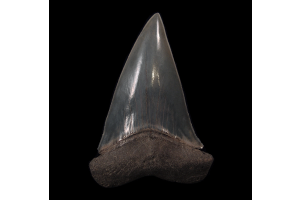
Fossils give us a rare chance to see how life existed millions of years ago. From ancient marine creatures to prehistoric plants, each fossil carries a piece of history. Among the many fossil discoveries found around the world, mako shark teeth stand out as one of the most admired collectibles. Fossil collectors, researchers, and ocean enthusiasts often look for these remarkable pieces because they represent powerful sharks that once ruled ancient seas.
Many collectors are fascinated by the beauty and detail preserved in these fossils. A well-preserved tooth can show smooth enamel, sharp cutting edges, and a strong root structure. These natural features make each specimen unique and visually impressive. At the same time, the history behind these fossils adds even more value for collectors.
Because of their historical importance, distinctive shape, and global fossil sites, these ancient shark teeth continue to attract attention in the fossil-collecting world. Understanding their background
- - February 05, 2026
If you are fascinated by prehistoric life, sharks teeth for sale offer a chance to own a piece of history. Fossilized shark teeth capture the power and mystery of the ocean millions of years ago. Collectors, teachers, and enthusiasts all look for teeth that are real, carefully preserved, and legally sourced. With so many options online, finding sharks teeth that are authentic can feel overwhelming, but understanding what to look for can make it easier.
Why a Shark Tooth Fossil Is a Treasure?
A shark tooth fossil is not just a collectible. It is a glimpse into the past. Teeth from species like Megalodon, Otodus, or Great White sharks reveal how these predators evolved over time. Fossils can also vary in size, shape, color, and serration patterns, making each tooth unique. Even smaller species like Hemipristis can be exciting for collectors. Knowing the origin and age of a shark tooth fossil helps determine its value and rarity. Choosing genuine fossils ensures that you are not only
- - January 06, 2026
Megalodon teeth are some of the most awe-inspiring fossils you can add to your collection. But identifying their origin can be just as thrilling as the tooth itself. One location in particular has earned a reputation for producing highly sought-after specimens: Sharktooth Hill in California. We offer a wide range of authentic megalodon teeth, and if you're wondering whether your prized specimen hails from this famous site, this guide is for you. A true Sharktooth Hill Megalodon tooth has several telltale characteristics that set it apart. Knowing what to look for adds value and pride to your collection.
Why Sharktooth Hill Is So Famous
Sharktooth Hill is located in the Temblor Formation of central California, just outside of Bakersfield. This site has been a goldmine for marine fossils from the middle Miocene epoch, dating back roughly 15 million years. It's not just the abundance of teeth that makes this site famous. The excellent preservation and unique coloration are what collectors
- - January 06, 2026
It’s hard not to stare at a Megalodon tooth. Even if you don’t know much about fossils, you instantly get it: this came from something massive. That’s why the Chile discovery making waves right now feels so exciting. A tooth being discussed as the largest megalodon shark tooth ever found isn’t just a fun headline—it’s the kind of find that gets the entire fossil world talking, from scientists to everyday collectors. And it also reminds people why fossil shops that focus on authenticity and education—like Buried Treasure Fossils—matter so much when a discovery sparks new interest.
Understanding Megalodon Teeth In A Simple Way
Megalodon was an ancient shark that lived millions of years ago. Sharks don’t leave many “bones” behind because their skeletons are made mostly of cartilage, which breaks down over time. Teeth, however, are strong and built to last. That’s why so many of the best Megalodon fossils we have today are teeth—and why teeth carry so much information.
A tooth can hint at
- - January 06, 2026
Sharks have always captured human imagination, but few marine predators inspire as much awe as the Megalodon and the modern Great White. Fossil evidence allows scientists and enthusiasts alike to explore how these apex predators hunted and survived. Among the most fascinating comparisons involves jaw strength, feeding mechanics, and sheer power, especially when examining the megalodon shark jaw through fossilized teeth and bite force estimates. This comparison reveals not just differences in size, but dramatic contrasts in evolutionary adaptation and hunting dominance.
Understanding Jaw Power Through Fossils
To appreciate jaw strength, paleontologists rely heavily on teeth. Sharks constantly shed teeth, leaving behind an extraordinary fossil record. These fossils provide direct insight into jaw size, muscle attachment, and feeding behavior. In the case of the Megalodon, massive serrated teeth immediately point toward an animal built for crushing large prey. Researchers use these teeth
- - January 06, 2026
Long before humans walked the Earth, giant creatures roamed the oceans. Among them was one that continues to spark curiosity, awe, and fascination—an ancient predator whose bite could crush bones and whose presence still lingers through a single object: the tooth.
Not just any tooth, though. The megalodon shark tooth holds a charm unlike any other fossil, stirring imagination and fueling a quiet, growing obsession.
So, what makes this relic of prehistory such a captivating artifact?
A Glimpse Into the Past
Around 3.6 million years ago, the megalodon ruled the seas as the largest known shark to ever exist. Estimates suggest it could reach lengths of over 60 feet, with teeth the size of a human hand. But today, we know this colossal beast only through the fossils it left behind—most notably, its teeth.
These sharp remnants are more than scientific specimens. They’re relics that connect us with an ancient world and hint at the mysteries of a predator we never witnessed but continue to admire.
- - January 05, 2026
At Buried Treasure Fossils, we take pride in offering more than just ancient relics – we showcase the extraordinary. Among the most captivating and surreal pieces in our collection are the Pathological Megalodon tooth for sale, true anomalies of the natural world. These fossilized treasures are not only rare but exhibit striking abnormalities that make them highly prized by collectors and enthusiasts alike.
One of the most sought-after examples is a Top Quality, Pathologic Otodus obliquus tooth from the Khouribga phosphate mining region in Morocco. This specimen stands out not just for its age and preservation, but for the unique physical distortion in both the crown and the root – a trait that makes it truly one-of-a-kind. If you're captivated by the unusual and fascinated by nature’s deviations, you'll want to explore this remarkable fossil.
What Are Pathologic Shark Teeth?
Shark teeth are a popular area of fossil collecting, with each tooth offering a glimpse into prehistoric ocean
- - January 05, 2026
There’s something hauntingly captivating about the idea of ancient giants roaming Earth’s oceans—especially one that could bite a whale in half. The megalodon, often described as the largest shark to ever live, remains a subject of wonder for collectors, fossil hunters, and curious minds alike. While countless myths and media depictions have fueled the creature’s fame, the real excitement lies in the tangible evidence it left behind—its fossilized remains.
Among the most sought-after discoveries is the megalodon shark skeleton, a rare yet treasured glimpse into the prehistoric past.
Let’s shift gears and explore why this ancient marine predator continues to steal the spotlight—one tooth, one jaw, one vertebra at a time.
The Ghost of an Ocean Giant
The megalodon wasn’t just big—it was enormous. Estimates suggest it could reach up to 60 feet in length, with teeth the size of a grown man’s hand. Unlike modern sharks, whose skeletons are primarily cartilage, fossilized megalodon remains are
- - January 05, 2026
Sharks have ruled the oceans for millions of years. While they have taken many forms throughout history, few are as captivating as the enormous Megalodon and the powerful Great White. At Buried Treasure Fossils, we invite you to dive into the depths of ancient oceans by exploring the fascinating stories behind fossilized shark teeth. From their shape to their size, these relics open a window into a world long lost beneath the waves. When it comes to the Megalodon vs Great White tooth, there’s more than size that sets them apart — each tooth reveals secrets about two legendary predators and the environments they once ruled.
Let’s take a closer look at what makes these fossilized teeth so intriguing and why they remain such treasured finds for collectors and ocean enthusiasts alike.
The Legacy of Fossilized Shark Teeth
Fossilized shark teeth are among the most common and prized fossils found across the world. These ancient remnants are more than just minerals — they are snapshots of prehistoric
- - January 05, 2026
A megalodon shark tooth fossil tells a story that spans millions of years. It comes from one of the most potent marine predators ever to live. This prehistoric shark, Otodus megalodon, left behind teeth that fossilized in rivers, oceans, and coastal sediments worldwide. For serious collectors, not every tooth is equally essential. The right specimen shows size, detail, and natural wear without modern alteration. Choosing the right fossil depends on knowledge, not just visual appeal.
What Sets One Megalodon Shark Tooth Apart from the Rest?
A serious collector does not settle for a tooth that looks good online. Many low-grade fossils flood the market, often with polished surfaces or reshaped edges. While these might impress casual buyers, they do not hold long-term value. Collectors stay focused on a fossil’s integrity. They understand what details signal a real find. The condition of the enamel, the sharpness of the serrations, and the completeness of the root all carry weight. Fossils