The allure of owning a megalodon tooth is undeniable. These massive fossilized remains, once belonging to the largest predatory shark in history, carry immense historical, scientific, and collector value. As interest grows, so does the number of replicas and misidentified specimens on the market. We’ve handled countless authentic fossils, including Venice Beach megalodon teeth, and know exactly what separates the real from the fake. Whether you’re a seasoned collector or buying your first fossil, this guide will walk you through everything you need to evaluate a tooth's authenticity with confidence.
Understanding the Basics: What Makes a Tooth Genuine?
Authentic megalodon teeth are fossilized remains, often millions of years old, typically discovered in marine sediments. These teeth vary in size, coloration, and condition, depending on their location of discovery and the preservation conditions.
Megalodon teeth can range from under 3 inches to over 7 inches in length. The most desirable ones retain key features: intact serrations, root integrity, and original enamel. Replicas or altered specimens may imitate the general shape and size but often lack the fine, natural characteristics that develop over millennia.
Key Features of Authentic Megalodon Teeth
1. Enamel Texture and Color
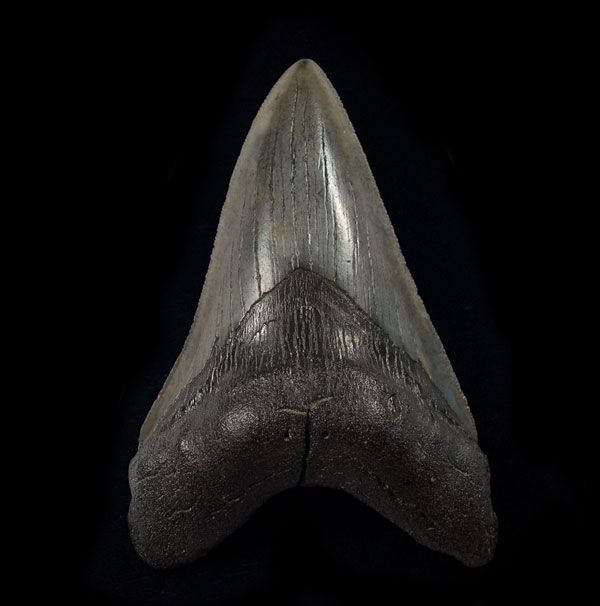
Real megalodon teeth have a unique enamel surface that feels naturally smooth but not polished. They often come in a variety of earthy tones such as grey, tan, or brown, due to the minerals present in the surrounding sediment. Artificial specimens frequently use paint or resin that creates a glossy or overly uniform appearance.
2. Serration Pattern
One of the most distinct features of genuine megalodon teeth is the serrated edge. These small, uniform notches are evidence of the tooth’s function and evolutionary design. On authentic specimens, serrations will often be slightly worn but still visible. Replicas typically have either no serrations or unnaturally sharp, uniform ones.
3. Root Condition
The root of a genuine tooth will show weathering, but should appear porous and naturally aged. A solid black or overly polished root is a red flag for artificial restoration. Some collectors specifically seek Venice Beach megalodon teeth for their naturally eroded yet distinguishable root structures.
Natural Variability: No Two Teeth Are the Same
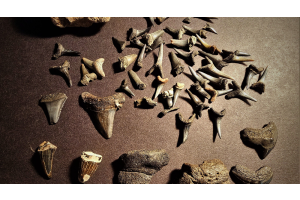
Every megalodon tooth carries a unique fingerprint. Factors such as depth of burial, surrounding minerals, and local geology impact the tooth’s condition and coloration. This is especially true for specimens from Florida and South Carolina, and notably, Venice Beach megalodon teeth, which are known for their distinctive wear and coloration due to wave action and sand abrasion.
Teeth from coastal regions are often lighter in color and display more erosion on the root and edges. Understanding these nuances helps buyers avoid replicas that look too "standard" or "uniform" to be real.
Spotting Common Fakes and Restorations
1. Resin Casts
These are mass-produced using molds of real teeth and are often sold as souvenirs or beginner specimens. Look for uniformity in the casting lines and textures. If multiple teeth from the same seller look nearly identical, they’re likely casts.
2. Heavily Repaired Teeth
Some genuine fossils may undergo restoration to appear more complete. While some minor touch-ups are acceptable, excessive filling with glue or epoxy, especially along the root or tip, should be disclosed by the seller. In some cases, the crown and root may be from two different fossils entirely.
3. Polished Surfaces
Genuine megalodon teeth have a natural matte or semi-gloss finish. Artificial polishing, done to make the tooth more visually appealing, often removes or hides crucial identifying features like natural pits or serration wear.
Provenance Matters: Ask Where It Came From
An often-overlooked aspect of verifying authenticity is origin documentation. Reputable sellers should be able to tell you where the tooth was found, whether it's Venice Beach megalodon teeth, South Carolina river finds, or offshore discoveries from North Carolina.
Locations with a long history of fossil hunting usually have recognizable characteristics in the teeth they produce. For example, Venice Beach finds tend to have smoothed edges and lighter enamel, influenced by the region's unique environmental conditions.
What to Ask Before Buying
When purchasing a megalodon tooth, ask these critical questions:
● Where was the tooth found?
● Has the tooth been repaired or restored?
● Are there any casts or artificial materials used?
● Can I see close-up photos of the serrations and root?
Reputable dealers won’t hesitate to provide clear answers and high-resolution images. If a seller avoids these questions or provides vague responses, proceed with caution.
Comparing Price vs Authenticity
Larger and more intact megalodon teeth naturally command higher prices. A 6 to 7-inch tooth in near-complete condition can be quite valuable. However, if a deal seems too good to be true, especially on an unusually large tooth, it likely is. Many fakes are priced low to lure in uninformed buyers.
Venice Beach megalodon teeth are often smaller due to wave erosion, but still highly collectible due to their natural aesthetic. Their price reflects rarity and condition, not just size.
Use Trusted Sources for Your Collection
Collectors who want peace of mind should buy only from trusted fossil retailers. These vendors typically specialize in authentic fossils, offer condition transparency, and clearly distinguish between genuine, restored, and cast specimens. Always review the seller’s return policy and customer reviews before committing.
Final Thoughts: Buy Smart, Collect Confidently
Megalodon teeth continue to fascinate collectors and enthusiasts across the world. Whether you're adding a rare 6-inch piece to your collection or picking up your first fossil, knowing what to look for ensures your investment is genuine and rewarding. Features like enamel texture, serration integrity, and root condition are vital signs of authenticity. Provenance, especially in known locations like Venice Beach megalodon teeth, adds to a tooth's story and collectible value. For a trusted source of verified specimens, Buried Treasure Fossils offers an extensive collection backed by expertise and transparency.
If you’re ready to explore real, verifiable specimens, we recommend relying on fossil experts with a proven track record of quality and authenticity. We’ve seen firsthand how rewarding it is to hold a genuine piece of prehistory. Nothing compares to the real thing.
Have questions or need help choosing a genuine megalodon tooth? Contact us today for expert advice and trusted fossil selections.