

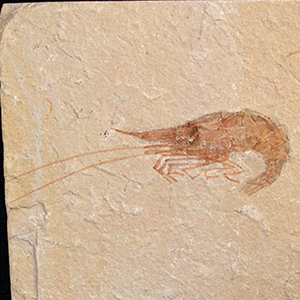
The idea that you can hold something millions of years old in your hand is almost too extraordinary to grasp. Fossils spark curiosity, offer a glimpse into prehistoric life, and bring the distant past within arm's reach. While many admire them for their scientific value, others collect them for their quiet beauty and mystery. For those beginning their fossil journey, or even seasoned enthusiasts, knowing where to find genuine fossils for sale becomes essential.
Understanding how to differentiate the authentic from the artificial is the key to building a meaningful collection.
Let’s walk through what sets real fossils apart—and where to begin your search.
How to Tell If a Fossil Is Real
Before purchasing, learning to recognize authenticity can elevate your collecting experience. Real fossils often carry tiny imperfections—natural fractures, mineral deposits, or texture changes. These are signs that the specimen has weathered millennia underground. On the other hand, replicas often appear too symmetrical or lack the subtle irregularities that define genuine ancient life forms.
When you shop, look for sources that detail the origin, age, and type of fossil. Trustworthy sellers usually provide a certificate or clear documentation of the fossil’s history.
Not All Fossils Are Out of Reach
Some people believe fossil collecting is an expensive hobby, best left to museums or paleontologists. The truth is more approachable than expected. There are plenty of stunning specimens available under $50—fish fossils, ammonites, trilobites, and even small shark teeth that are millions of years old.
This makes the world of real fossils for sale accessible and exciting for new collectors or gift buyers. With careful browsing, you can find authentic items that fit your budget and spark your imagination.
Where Do These Fossils Come From?
Authentic fossils are unearthed from dig sites around the globe. Madagascar, Morocco, the USA, and parts of Europe are known for producing an array of fossilized treasures. Fish fossils from the Green River Formation, ammonites from North Africa, and fossilized coral from Indonesia are examples of nature’s artistry preserved in stone.
Each location tells a story—not only about the creature it encased, but also about the environment that preserved it. That’s what gives every fossil its subtle uniqueness.
Choosing the Right Fossil for You
Are you drawn to marine life from ancient oceans, or do land-dwelling relics like bone fragments and petrified wood speak more to you? Your choice may depend on the story you want your collection to tell.
Some collectors focus on variety, others on a particular era or species. Whatever path you take, buying from a curated selection ensures quality and increases your appreciation for the specimen’s journey through time.
Care and Display Tips for Your Fossils
Once you’ve chosen a fossil, treat it with care. Although these relics have survived millions of years, they can be fragile. Store them away from direct sunlight and humidity. Small display stands, shadow boxes, or labeled containers not only protect your fossil but also add to its visual appeal.
Displaying fossils at home or in an office can inspire questions, conversations, and even deeper learning—for both kids and adults alike.
Why People Collect Fossils Today
Beyond their age, fossils hold a sense of wonder. Some see them as reminders of Earth’s resilience. Others enjoy the aesthetic, using them as grounding decor or meditative tools. For students, educators, or hobbyists, they serve as powerful hands-on tools for understanding the evolution of life.
Collecting fossils isn't just about possession—it's about connection. To time, to the Earth, and to the unseen stories beneath our feet.
Conclusion: Start with One, Grow from There
Whether you’re starting a collection or searching for a thoughtful gift, choosing a trusted source that offers genuine fossils for sale makes all the difference. Each fossil, no matter how small, carries with it a story of transformation, pressure, and ancient history—waiting to be rediscovered.
If you’re ready to explore the world of fossils and start your journey into deep time, now’s a great moment to begin.
Browse our curated collection and find your own ancient story. Whether it's a trilobite, coral, or a tiny shark tooth, each fossil is a window to a world long gone—and yours to discover.
FAQs
1. Are all the fossils in the collection real?
Yes, the fossils listed are authentic and sourced from reputable dig sites worldwide. Each piece is carefully evaluated before listing.
2. Can I find fossils under $50 that are still valuable?
Absolutely. Many high-quality fossils are both affordable and historically significant. Their value lies in authenticity, origin, and preservation.
3. Are these fossils safe for children or classroom use?
Yes, many of the smaller and smoother fossils are perfect for educational settings. Always supervise handling to ensure proper care and learning.
4. How can I test if a fossil bone is real or made of resin?
One common method used by collectors is the lick test or the hot needle test. Authentic fossil bone is porous due to the decay of organic material over millions of years, causing it to stick slightly to your tongue. Alternatively, pressing a heated needle against a suspected resin replica will produce a plastic smell and melt the surface, whereas a genuine stone or mineralized fossil remains completely unaffected.
5. What geological factors determine the final color of an authentic shark tooth?
The color of a prehistoric tooth depends entirely on the minerals present in the surrounding sediment during the fossilization process. Minerals like iron produce deep reds and oranges, phosphate creates glossy blacks, limestone results in light grays, and manganese can impart unique dark spots or bands. Because these geological conditions vary wildly by formation, color is a great indicator of a specimen's geographic origin.
6. Do genuine fossils always arrive with a certificate of authenticity?
Certificates are common in the industry, but the true validation of a fossil comes from its provenance and documented history. Reliable dealers provide specific details regarding the matrix, species identification, geological formation, and discovery location. At Buried Treasure Fossils, our decades of field experience and reputation within the collecting community back every specimen we offer.
7. Is it legal to buy, sell, and own prehistoric fossils?
Yes, the vast majority of fossils offered in the commercial market are entirely legal to own, buy, and trade. They are typically sourced from private lands with explicit landowner permission or imported following strict international cultural property laws. We ensure that all our dinosaur bones, trilobites, marine reptiles, and shark teeth are legally and ethically obtained.
8. How much restoration is acceptable on a collector-quality specimen?
Minor stabilization, crack sealing, and structural reinforcement are completely standard and accepted practices in paleontology to preserve fragile pieces. However, significant structural reconstruction or cosmetic painting lowers the value for serious investors. We always disclose the exact preservation quality and any minor preparation work done to our premium pieces.
9. Where can I find authentic shark teeth for sale online that are verified and collector-quality?
Finding trustworthy marine fossils requires sourcing from established, expert dealers who understand preservation nuances and formation histories. You can browse our fully vetted, curated selection of prehistoric apex predator specimens directly through our online store, or you can contact our team of experts today if you are looking for a specific rare species or museum-grade investment piece.






