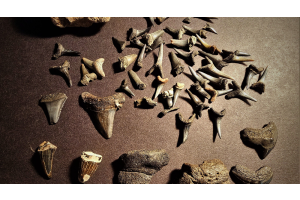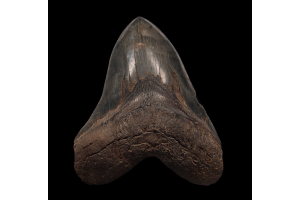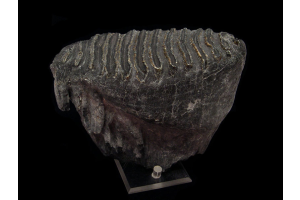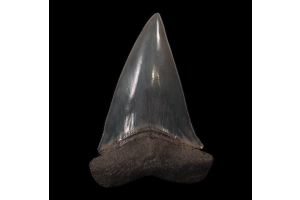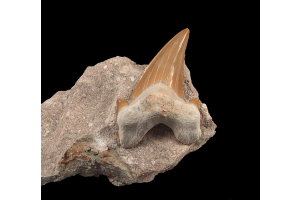

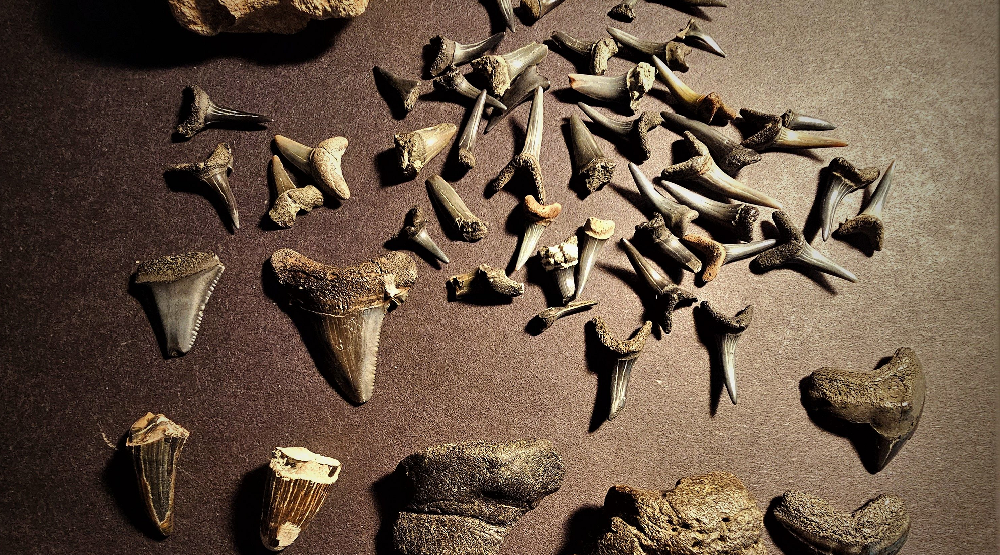
A fossil shark tooth can tell you a lot about the animal it once belonged to, but there is more to examine than the part that first catches your eye. For many collectors, the crown naturally gets most of the attention. The root, sitting quietly at the other end of the tooth, can be easy to overlook. Yet when you start examining fossil shark teeth more closely, small details like the root can make a big difference in how you understand and appreciate a specimen. The condition of the root, its shape, and the way it remains connected to the crown can all give you more to consider when adding a tooth to your collection.
So, why does root preservation matter, and what can collectors learn from a tooth that has kept this often-overlooked part intact? Continue reading this post to discover why the root deserves a closer look and how it can add to your appreciation of fossil shark teeth.
Root Condition Can Reveal More About Preservation
When examining a fossil shark tooth, the root can offer encouraging clues about how well the specimen has been preserved. The crown may be the most noticeable part, but the root can reveal details that are easy to miss at first glance. Its surface and overall completeness can help collectors understand how much of the original tooth remains and how it may have changed during burial and fossilization. An intact root, for example, can suggest that the tooth retained more of its original structure through the fossilization process. Cracks, breaks, or missing sections can also provide clues about damage that occurred before or after the tooth became a fossil. Looking closely at these details does not mean a damaged root makes a specimen less interesting. Instead, it gives collectors a better opportunity to understand the fossil's preservation as a whole.
Examining the root alongside the crown also shows which parts of the tooth have remained intact and which areas have been affected over time. This fuller view helps reveal the condition of the specimen while offering a better sense of what has survived from the original tooth. That added perspective is also useful for looking beyond preservation alone, since an intact root allows collectors to examine more of the tooth's original anatomy.
Full Tooth Structure Keeps More of the Tooth's Anatomy
The root is an important part of the tooth's anatomy, and having it intact allows collectors to see how the different parts of the tooth fit together. While the crown contains the cutting surface and serrations, the root forms the base of the tooth and has its own distinct shape and structure. Seeing both parts together gives a more complete view of the tooth's overall anatomy rather than leaving its lower portion unseen.
The root's width, height, curvature, and overall shape can add useful anatomical details to the specimen. Its relationship to the crown can also help collectors understand the proportions and structure of the complete tooth. These features become especially interesting when comparing teeth from different species or individual specimens, as the root can vary in ways that are not immediately apparent from the crown alone.
As collectors become more familiar with fossil shark teeth, these anatomical differences can become easier to recognize. A complete tooth offers more than an attractive crown to examine; it provides a fuller representation of the structure that made up the original tooth. And because those structural differences can vary between specimens, the root can also become useful when collectors are trying to work out exactly what they are looking at.
Root Structure Provides Identification Clues
Those anatomical comparisons can also be useful when collectors are trying to identify an unfamiliar fossil shark tooth. A crown may resemble teeth from several different species, particularly when its features are worn or difficult to distinguish. The root provides another set of characteristics to consider, including its proportions and relationship to the crown. Considering the root and crown together can help narrow down the possibilities and give collectors a stronger starting point for further research.
Although an intact root cannot confirm an identification on its own, it can provide useful supporting information when a tooth has details that are difficult to interpret from the crown alone. Examining the entire tooth encourages greater attention to its anatomy, which can be helpful when comparing specimens, researching possible identifications, or considering the overall authenticity of a fossil. Those comparisons become even more useful when collectors have complete specimens available to examine side by side.
Complete Teeth Make Comparisons More Meaningful
An intact root gives more of the tooth to examine when comparing different fossil shark teeth. Looking at specimens side by side can reveal differences that are easy to miss when attention is focused only on the crown. The root adds another point of comparison, allowing differences at the base of each tooth to remain visible and showing how complete specimens vary from one another.
As a collection grows, preserved roots provide more opportunities to compare complete specimens. Looking at the full tooth together makes variations easier to recognize and provides a broader view of the forms found among fossil shark teeth. A broken or missing root removes part of that comparison, while an intact root keeps those characteristics available for examination. This makes root preservation valuable beyond the condition of an individual tooth. Keeping the root attached allows more of the specimen to contribute to side-by-side comparisons, giving a fuller view of how fossil shark teeth can differ in their overall form.
Having more of the original tooth available for comparison also gives collectors a better opportunity to notice changes or inconsistencies that may result from repair or restoration.
Root Details Help Collectors Notice Alteration
A preserved root can sometimes help collectors recognize how a specimen has been handled or altered over time. Natural breaks and repaired areas may be easier to understand when the entire tooth is available for inspection. This matters because collectors generally want to know what they are actually adding to their collection.
Restoration is not automatically a negative feature, especially when it is professionally completed and clearly disclosed. The important part is knowing which areas remain original and which have been repaired. Looking closely at the root encourages collectors to examine a fossil as a complete specimen rather than focusing only on its most attractive feature. Once collectors begin paying attention to repaired and original areas, it naturally raises another important question: what makes fossils genuine?
Natural Root Features Can Help With Authenticity
Authenticity is an important consideration when collecting fossil shark teeth, particularly when a specimen shows signs of restoration. The root can give collectors another area to examine when determining how much of a tooth appears original. Its natural texture and overall appearance may provide useful context alongside the crown, helping collectors better understand the characteristics of authentic shark teeth.
Paying attention to the relationship between different parts of the tooth can make the evaluation process more informed. The root should not be treated as definitive proof of authenticity, but noticeable differences in texture, structure, mineralization, or restoration can prompt a closer look. This is one reason examining a fossil beyond its most eye-catching feature can be worthwhile.
A well-preserved root can ultimately give collectors more original material to assess when considering the history of a specimen. Once those preservation and authenticity details have been considered, however, there is another quality that should not be overlooked: the visual character an intact root can bring to the fossil.
Intact Root Adds Visual Character
Along with providing useful clues about the specimen's authenticity, an intact root can add visual character. While the crown often draws the most attention, the root contributes to the tooth's overall shape and creates a natural transition from the crown to the base. Its presence can make the specimen appear more balanced and give collectors another part of the tooth to examine. Color and texture can add further interest to a preserved root. Fossilized roots may show variations in surface texture and mineralization that developed during burial and fossilization. These characteristics differ from specimen to specimen, giving each tooth its own visual qualities. Subtle variations in the root can complement the shape and texture of the crown without taking attention away from it.
For collectors who display their fossils, these qualities provide another reason to appreciate a well-preserved root. Viewing the tooth from different angles allows the root to contribute to its presentation rather than keeping attention focused solely on the crown. Yet its appeal is not limited to appearance. The same textures and characteristics that make a root interesting to look at can also provide a glimpse into the geological processes that shaped the fossil.
Geological Context Can Be Seen in the Root
Fossils are records of ancient environments, and their physical condition can reflect some of the processes they experienced after burial. The root may preserve mineralized textures or surface characteristics that complement what can be observed on the rest of the tooth. Collectors can use these details as part of a broader effort to understand how fossils formed and survived through geological time.
A tooth recovered from sediment may have experienced pressure and chemical changes before eventually becoming part of a collection. Preserving as much of the original specimen as possible keeps more of that physical story available for examination. It is important not to assume that one feature reveals an exact geological history, but the overall condition can still provide an interesting glimpse into the fossilization process. By keeping more of that original structure intact, collectors also preserve more of the specimen as a physical reference, which can make a complete tooth especially useful for learning.
Complete Specimens Are More Educational
The value of an intact root extends beyond the tooth's appearance, as a complete specimen can provide a clearer way to study fossilized shark anatomy. Examining the crown provides information about its shape and cutting edges, while the root offers a view of the tooth's original structure. Seeing both parts together can help explain how the tooth was anchored in the jaw and provide a better understanding of its overall anatomy.
For newer collectors, a complete specimen can serve as a practical reference when examining other fossilized shark teeth. Rather than relying only on diagrams or photographs, they have a physical example to compare with as they learn to recognize different parts of a tooth. This hands-on reference can make it easier to understand variations in shape and condition.
The root can also help collectors understand how individual teeth differ within the same species. Comparing complete specimens makes anatomical distinctions easier to recognize, especially when several teeth share similar crown shapes. Over time, these comparisons can build familiarity with tooth structure and give collectors a stronger foundation for studying and appreciating fossil shark teeth.
In that way, preserving the root does more than keep one part of a fossil intact. It helps retain the information and educational value contained within the specimen as a whole.
Conclusion
Root preservation is easy to overlook when the crown is the feature that immediately captures attention, but the two parts belong to the same remarkable story. An intact root can contribute important anatomical detail while giving collectors more information to study and compare. It can also enhance the appearance of a specimen and provide useful context when examining its condition, while offering a clearer understanding of its overall structure. Most importantly, preserving the root keeps more of the original tooth available for future appreciation.
Taking time to examine the whole tooth can make collecting more rewarding while helping preserve more of the anatomy and history contained within each fossil. Buried Treasure Fossils offers collectors the opportunity to explore fossil shark teeth with an appreciation for the features that make each specimen unique, including the often-overlooked root. Browse now to discover well-preserved fossil shark teeth and find a complete specimen that gives you more to examine and appreciate.
Frequently Asked Questions
Should I prioritize an intact root when choosing between two fossil shark teeth?
An intact root may be worth considering when two specimens are otherwise similar because it preserves more of the original tooth for examination. Your decision can also take into account the specimen's overall condition, appearance, rarity, and personal collecting goals.
Is a fossil shark tooth with restoration still worth collecting?
Yes. Restoration does not automatically make a fossil undesirable. The main consideration is understanding what has been restored and how much original material remains so you know what you are adding to your collection.
How should I handle a fossil shark tooth with a fragile root?
Handle the tooth carefully by supporting it rather than placing pressure on the root. Avoid repeatedly picking it up by the crown or root, and keep fragile specimens in a secure display or storage setting where they are less likely to be knocked or dropped.
Should I display a fossil shark tooth so the root is visible?
Yes. Displaying the root can be worthwhile because it allows the specimen to be appreciated as a complete tooth.
What makes a complete fossil shark tooth a worthwhile addition to a collection?
A complete tooth offers more than visual appeal. It gives collectors a specimen that can be examined from multiple perspectives and used as a reference when evaluating future additions to a collection.