

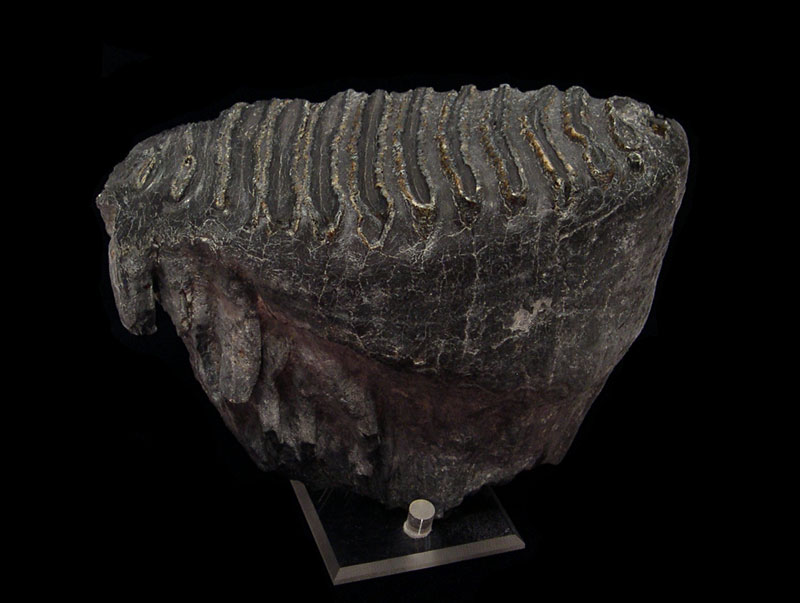
Collecting prehistoric fossils inspires curiosity, learning, and a deeper appreciation for Earth’s ancient past. Within the first moments of exploring Ice Age specimens, collectors often encounter the remarkable mammoth tooth fossil and listings advertising a mammoth tooth for sale, both of which attract fossil enthusiasts, museum buyers, STEM educators, and serious collectors alike. These incredible molars once helped mammoths grind tough grasses across frozen prehistoric landscapes, and today they stand as fascinating educational artifacts and collector treasures.
Because fossil collecting continues to grow in popularity, online marketplaces now offer a wide range of specimens. However, identifying genuine fossils requires careful attention. We help collectors understand what authentic mammoth fossils look like, how natural preservation forms over thousands of years, and why purchasing from trusted fossil specialists makes a difference.
Understanding What Makes Mammoth Teeth Unique
Mammoths belonged to an extinct group of elephant relatives that roamed North America, Europe, and Asia during the Ice Age. Their teeth evolved specifically for grinding coarse vegetation, which explains the massive size and distinctive ridged enamel structure found in every authentic specimen.
Each molar contains multiple enamel plates stacked together like layered ridges. These plates allowed mammoths to chew fibrous plants efficiently. Because of this structure, fossil collectors can easily recognize the characteristic grinding surface when examining a specimen.
When collectors evaluate Ice Age fossils, the first step involves observing these ridges, the natural mineral coloration, and the heavy density created through fossilization. Genuine fossils develop these features over thousands of years as minerals gradually replace organic material.
Signs of a Genuine Fossil Specimen
Online fossil listings often look impressive in photographs, but authentic fossils display several clear physical characteristics.
First, genuine mammoth molars show natural mineralization. Fossilization replaces organic material with minerals, which gives the tooth substantial weight compared to modern bone. When collectors hold a real fossil, the density becomes immediately noticeable.
Second, authentic specimens reveal layered enamel ridges across the chewing surface. These ridges appear clearly defined yet naturally worn from prehistoric use. Artificial replicas rarely capture this complex structure accurately.
Third, natural coloration develops through mineral deposits in surrounding sediments. Shades of brown, tan, red, and dark gray frequently appear in authentic fossils. These colors result from thousands of years underground rather than artificial staining.
When collectors examine a mammoth tooth fossil, these natural details tell the story of ancient life and geological preservation.
Look for Complete Fossilization and Structural Integrity
Condition plays a major role in determining fossil authenticity and value. High-quality specimens remain fully fossilized with minimal damage or restoration.
Collectors often look for:
● Clearly preserved enamel plates
● Stable root structure
● Minimal cracking or fragmentation
● Natural wear patterns on the chewing surface
For example, exceptional Ice Age molars discovered in Alaska sometimes weigh more than ten pounds and display beautifully preserved chewing surfaces. Some specimens even retain complete roots, which increases rarity and collector value.
At Buried Treasure Fossils, specimens receive careful documentation to ensure collectors understand the condition and preservation level of each fossil.
Verify Legal and Ethical Fossil Sourcing
Responsible fossil collecting always involves legal and ethical sourcing. Authentic fossil dealers work directly with permitted dig sites or private landowners who allow fossil recovery.
Many mammoth fossils originate from regions such as Alaska and Florida where Ice Age deposits preserve large mammal remains. Collectors should always verify that sellers provide information about locality and collection legality.
We emphasize transparency and authenticity in every fossil listing. Founder Gary Greaser built Buried Treasure Fossils around a lifelong passion for fossil hunting, and the catalog reflects decades of experience working with genuine prehistoric specimens.
Collectors who search for a mammoth tooth for sale should always prioritize reputable fossil suppliers who provide clear sourcing information.
Evaluate Seller Expertise and Documentation
Buying fossils online requires trust. Experienced fossil dealers provide accurate descriptions, measurements, photographs, and educational context.
Reputable fossil stores typically include:
● Species identification
● Fossil age and geological period
● Discovery location
● Preservation condition
● Authenticity guarantees
At Buried Treasure Fossils, each specimen includes historical insight explaining the prehistoric environment in which the animal lived. These details help collectors understand the scientific importance of each fossil, not just its aesthetic appeal.
We believe fossils should inspire both learning and collecting.
Compare the Fossil to Verified Specimens
Before making a purchase, collectors benefit from comparing specimens with verified fossils. Museum collections, academic references, and trusted fossil stores provide useful benchmarks.
Authentic mammoth molars consistently show:
● Distinct parallel enamel plates
● Thick mineralized dentin
● Large grinding surfaces
● Natural irregularities created through fossilization
Replicas or heavily restored fossils often appear overly smooth or uniform. Authentic fossils always display subtle imperfections that reveal their natural origin.
Because we specialize in authentic prehistoric specimens, collectors gain confidence when comparing fossils with verified examples available through our catalog.
Consider the Educational and Collector Value
Beyond authenticity, mammoth fossils carry immense educational value. STEM educators frequently use them to explain evolution, Ice Age ecosystems, and prehistoric animal adaptations.
For collectors, mammoth teeth also represent striking display pieces. Their size, shape, and ancient history make them conversation starters in classrooms, museums, and private collections.
At Buried Treasure Fossils, we carefully curate fossils ranging from entry-level collectibles to museum-grade specimens. This approach allows beginners and experienced collectors alike to explore prehistoric life without intimidation.
FAQ: Mammoth Tooth Fossils
1. What is a mammoth tooth fossil?
A mammoth tooth fossil is the preserved molar of an extinct mammoth species. These large grinding teeth were used to chew grasses and plants and are commonly found in Ice Age fossil deposits.
2. How can you tell if a mammoth tooth fossil is authentic?
Authentic fossils show natural mineralization, heavy weight, visible enamel ridges, and natural coloration formed over thousands of years.
3. Are mammoth teeth restored or repaired?
High quality collector specimens are often completely fossilized with no repair or restoration which increases their authenticity and value.
4. Where are authentic mammoth tooth fossils commonly found?
Many well preserved mammoth teeth are discovered in regions such as Alaska, Florida, and other Ice Age fossil deposits.
Conclusion
Fossil collecting combines science, history, and discovery in a truly exciting way. Careful observation of mineralization, enamel ridges, preservation quality, and legal sourcing helps collectors confidently identify an authentic mammoth tooth fossil before purchasing online. Whether collectors search for a museum-grade specimen or simply explore a mammoth tooth for sale for educational display, choosing verified fossils ensures both authenticity and long-term value.
At Buried Treasure Fossils, we remain passionate about sharing genuine prehistoric treasures with collectors, educators, and enthusiasts. Our carefully curated Ice Age fossils provide both scientific insight and unforgettable display pieces. Exploring authentic specimens today opens a fascinating window into Earth’s ancient past and helps bring prehistoric history into modern collections.






