

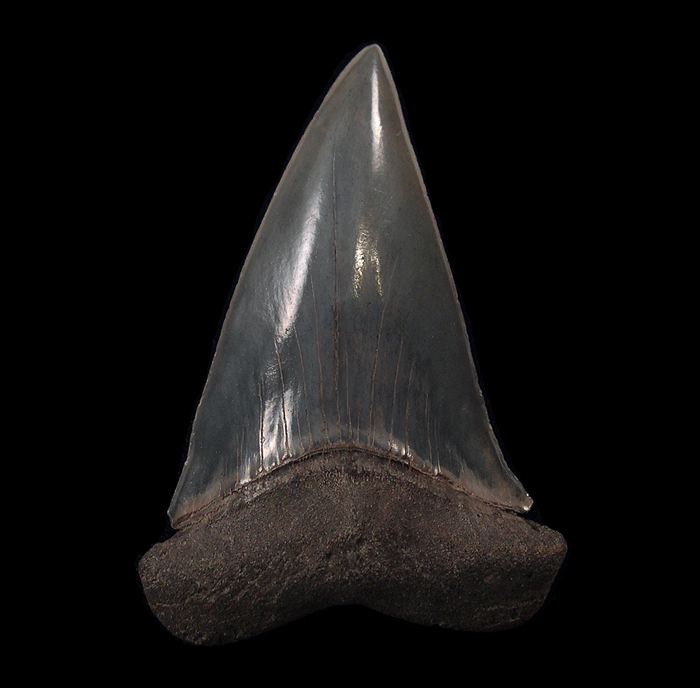
Fossils give us a rare chance to see how life existed millions of years ago. From ancient marine creatures to prehistoric plants, each fossil carries a piece of history. Among the many fossil discoveries found around the world, mako shark teeth stand out as one of the most admired collectibles. Fossil collectors, researchers, and ocean enthusiasts often look for these remarkable pieces because they represent powerful sharks that once ruled ancient seas.
Many collectors are fascinated by the beauty and detail preserved in these fossils. A well-preserved tooth can show smooth enamel, sharp cutting edges, and a strong root structure. These natural features make each specimen unique and visually impressive. At the same time, the history behind these fossils adds even more value for collectors.
Because of their historical importance, distinctive shape, and global fossil sites, these ancient shark teeth continue to attract attention in the fossil-collecting world. Understanding their background helps explain why they remain one of the most desired fossils among collectors today.
The Ancient Origins of Mako Shark Teeth
Ancient oceans were home to many powerful shark species. Fossil collections offered by Buried Treasure Fossils include teeth from several species, such as Isurus praecursor, Isurus desori, Isurus escheri, and Carcharodon hastalis. These sharks lived millions of years ago and were known as strong marine predators.
Some fossils come from geological periods such as the Miocene and Pliocene. For example, certain teeth discovered in the Netherlands date back around six to eight million years. These fossils help scientists understand ancient marine ecosystems and how shark species evolved over time.
Because of this deep history, collectors often view these fossils as more than just objects. They represent an important connection to the prehistoric oceans that once existed on Earth.
What makes a mako shark tooth Special?
Collectors also admire these fossils for their structure and design. A typical mako shark tooth usually shows a strong crown, sharp cutting edges, and a wide root that helps the shark capture prey. When a tooth fossilizes in good conditions, the enamel remains smooth and glossy, which makes the specimen visually striking.
Some teeth display additional details such as small nutrient holes in the root or slight waves along the cutting edges. These details help experts understand how the tooth formed and how the shark used it during its lifetime.
Another interesting feature is symmetry. Many collectors prefer teeth with balanced shapes and intact edges. When a fossil shows excellent preservation without repair or restoration, it becomes even more valuable to collectors.
Because each tooth fossilizes in different conditions, no two fossils look exactly the same. This natural variety makes collecting these specimens exciting and rewarding.
Fossil Locations That Produce mako shark teeth
Location also plays a major role in fossil collecting. Specimens sold through Buried Treasure Fossils come from several well-known fossil sites around the world. These include regions such as South Carolina, North Carolina, Chile, Peru, and Mill, Netherlands.
Each fossil location produces teeth with different colors and characteristics. For example, some fossils from North Carolina display rare copper-red shades with a glossy finish. Other specimens show blue, tan, charcoal, or brown colors formed during the fossilization process.
These natural variations help collectors identify the origin of a fossil. As a result, many enthusiasts enjoy building collections that include fossils from multiple locations around the world.
Conclusion
Ancient shark fossils continue to attract collectors because they combine history, science, and natural beauty. Each fossil tooth carries evidence of powerful predators that lived millions of years ago in prehistoric oceans.
From their distinctive structure to the many fossil sites around the world, these specimens provide valuable insight into ancient marine ecosystems. For fossil enthusiasts, collecting these rare pieces offers both educational value and the excitement of owning a genuine part of Earth’s natural history.
FAQs
Q1. Why are mako shark teeth popular among fossil collectors?
Collectors admire mako shark teeth because they combine ancient history, unique structure, and natural fossil colors.
Q2. What makes a mako shark tooth valuable to collectors?
A mako shark tooth becomes valuable when it has excellent preservation, sharp edges, and strong natural enamel.
Q3. Where are most mako shark teeth fossils discovered?
Many mako shark teeth fossils come from places like North Carolina, South Carolina, Chile, Peru, and the Netherlands.
Q4. How can collectors identify a real mako shark tooth?
A real mako shark tooth usually shows natural enamel texture, a strong root, and clear fossil preservation.
Q5. Do mako shark teeth fossils come in different colors?
Yes, mako shark teeth fossils can appear in blue, tan, brown, charcoal, or rare copper-red shades.






