

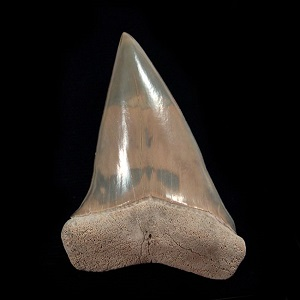
Sharks have ruled the oceans for millions of years. While they have taken many forms throughout history, few are as captivating as the enormous Megalodon and the powerful Great White. At Buried Treasure Fossils, we invite you to dive into the depths of ancient oceans by exploring the fascinating stories behind fossilized shark teeth. From their shape to their size, these relics open a window into a world long lost beneath the waves. When it comes to the Megalodon vs Great White tooth, there’s more than size that sets them apart — each tooth reveals secrets about two legendary predators and the environments they once ruled.
Let’s take a closer look at what makes these fossilized teeth so intriguing and why they remain such treasured finds for collectors and ocean enthusiasts alike.
The Legacy of Fossilized Shark Teeth
Fossilized shark teeth are among the most common and prized fossils found across the world. These ancient remnants are more than just minerals — they are snapshots of prehistoric life. Unlike bones, shark teeth fossilize easily because sharks continually shed thousands of teeth over their lifetimes. Over time, these teeth settle on the ocean floor and undergo a process of mineral replacement, transforming them into durable fossils that can survive for millions of years.
At Buried Treasure Fossils, we understand the thrill of holding one of these teeth in your hand. Whether it’s a massive Megalodon tooth or the sleek shape of a Great White’s, every fossil tells a different story. These aren’t just pieces of history — they’re keys to understanding the evolution of life in Earth’s oceans.
Megalodon: A Giant Among Sharks
Megalodon was one of the largest sharks to ever swim the seas. Its name translates to "big tooth," and it’s easy to see why. Fossilized Megalodon teeth can exceed seven inches in length and are known for their triangular shape, broad structure, and serrated edges. These teeth were ideal for gripping and breaking through thick-skinned marine creatures.
When you find a Megalodon tooth, you’re not just looking at a fossil. You’re holding a piece of a creature that once dominated the seas. Its size alone tells us that this shark roamed deep, warm oceans and likely fed on very large prey. The thickness and width of the tooth reflect its immense jaw power and the kind of marine life it interacted with. These teeth, often beautifully preserved, are among the most sought-after pieces in any fossil collection.
Great White Shark: Power in Precision
The Great White shark, still present in today’s oceans, has a very different kind of tooth. Though much smaller than a Megalodon’s, the Great White’s tooth is just as impressive. Shaped like a narrow triangle with razor-sharp serrations, it is built for quick, powerful bites. These teeth, reaching up to three inches, reflect the agile nature of the Great White and its ability to thrive in a wide range of ocean environments.
Great White teeth often show clear, sharp edges and can range in color depending on the minerals present during fossilization. Despite their smaller size, these teeth tell us a lot about how the Great White shark has remained one of the most successful marine predators for millions of years.
Megalodon vs Great White Tooth: What the Teeth Reveal
The contrast between a Megalodon vs Great White tooth is striking. From size and shape to the wear and coloration, each tooth holds hints about its shark’s lifestyle and the ocean around it. When you compare the two side by side, you begin to see how different their worlds were. The Megalodon, with its massive, thick teeth, likely dominated vast oceanic regions, while the Great White, with its sleek, cutting tools, remains agile and efficient in today’s waters.
Collectors and fossil enthusiasts enjoy studying these differences. The curvature of a tooth, the detail in the serrations, and even the tooth’s root can provide insight into the shark’s behavior and surroundings. At Buried Treasure Fossils, we value every fossil as a unique artifact of nature — each one tells a chapter of the ocean’s long and layered history.
The Ocean’s Time Capsules
One of the most exciting parts of collecting fossilized shark teeth is uncovering the environments they came from. Fossils not only reflect the creature they belonged to but also the geological conditions of the time. A single tooth can reveal if it came from warm coastal waters, deep ocean trenches, or shallow sea beds.
Fossilized Megalodon teeth often have darker hues due to mineral content like phosphate, while Great White fossils might display lighter tones depending on the sediment they rested in. These natural variations add to the charm and collectability of each tooth. They are like time capsules that have endured the shifting sands of time.
When you hold a fossilized shark tooth, you’re holding a connection to a world that once was.
Why Fossil Teeth Fascinate Us
Shark teeth fossils captivate both seasoned collectors and curious beginners for good reason. They are tangible evidence of life millions of years ago, surviving everything from tectonic shifts to climatic changes. Each fossil holds natural beauty, shaped not just by the shark it belonged to, but by the passage of time itself.
At Buried Treasure Fossils, we believe every collector should have the opportunity to explore these pieces of the past. By studying and appreciating fossils, we gain a deeper understanding of Earth’s natural history and the remarkable creatures that once swam its oceans.
Collecting Your Own Piece of Prehistory
There’s something deeply rewarding about owning a fossilized shark tooth. It’s a connection to Earth’s ancient past and a reminder of the ever-changing nature of our planet. Whether you’re drawn to the grandeur of a Megalodon tooth or the streamlined design of a Great White’s, every fossil tells its own story.
The next time you compare a Megalodon vs Great White tooth, think beyond the size or sharpness. Consider what the tooth has been through — the millions of years it has survived, the ocean beds it rested in, and the story it has carried to your hands.
Disclaimer: This blog is intended for informational purposes only. It does not encourage or endorse any unethical or illegal practices related to fossil collection. Please always adhere to local laws and regulations and practice environmental responsibility.






