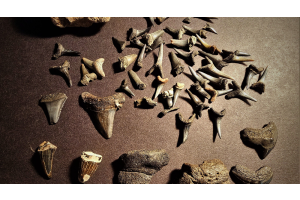
Megalodon teeth are among the most sought-after fossils for collectors and enthusiasts alike. Their size, distinctive shape, and deep prehistoric significance make them an exciting discovery in the field. As enthusiasts of ancient marine relics, we offer helpful insights and tools for those ready to begin their own megalodon tooth-hunting adventure. With the right approach and knowledge, your first trip can lead to exciting finds. You might even uncover your first authentic megalodon tooth.
Understand What You’re Looking For
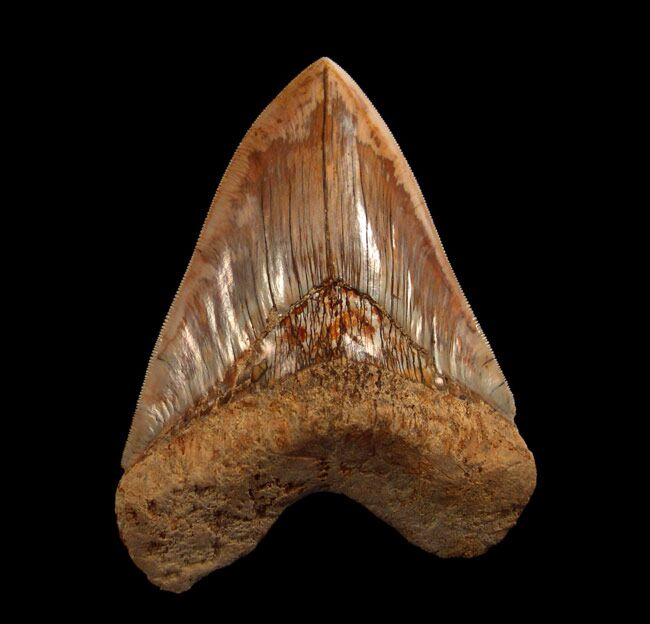
Before heading into the field, it’s crucial to know the basic characteristics of a megalodon tooth. These fossils can range from a few inches to over seven inches in length. The typical shape is triangular with fine serrated edges and a thick, strong root. While coloration can vary (from jet black to tan or grey), it often depends on the minerals in the surrounding sediment.
Don’t assume that every tooth-shaped object is a fossil. Megalodon teeth tend to have a heavier feel due to mineralization. They are rarely glossy or translucent like modern shark teeth.
Choose a Productive Hunting Location
Some areas are known hotspots for megalodon tooth-hunting due to their fossil-rich sediments. These include:
Peace River, Florida: The riverbed is accessible via kayak and is well-known for yielding both large and small megalodon teeth.
Venice Beach, Florida: Nicknamed the "Shark Tooth Capital of the World," this beach is ideal for casual shoreline hunting. Low tide exposes fresh sediment layers.
Calvert Cliffs, Maryland: These cliffs are famous for Miocene-era marine fossils. While the cliffs themselves are off-limits for digging, nearby beaches may reveal eroded specimens.
Lowcountry Rivers, South Carolina: Divers often report exceptional finds in the blackwater rivers around Charleston and Summerville.
Each location has its own regulations and safety guidelines. Always research the local rules before you go.
Learn How to Recognize Erosion Clues
Natural erosion is your best ally when it comes to fossil exposure. Rainfall, tidal activity, and flowing water shift sediment and expose new material. For instance, after heavy rains, creeks and rivers often yield higher fossil counts.
Look for gravel beds, exposed banks, or shallow creek beds with visible bone and shell fragments. These are indicators of deeper fossil layers where megalodon teeth might be buried. If you’re in a coastal area, monitor the tide schedules. Low tide reveals more of the ocean floor and provides better access to fossil-bearing sand.
Use the Right Tools for the Job
Successful megalodon tooth-hunting requires more than just a keen eye. Bring the following items:
● Sifting Screens or Fossil Rakes: Essential for sorting through sediment and isolating dense objects like fossilized teeth.
● Shovel or Trowel: Useful for digging in riverbanks or gravel beds where teeth may be buried.
● Mesh Bags or Buckets: To store your finds and keep them safe.
● Water Shoes or Boots: Many promising locations require wading in water.
Megalodon teeth are often found mixed with other fossils, such as bone fragments and smaller shark teeth. Be patient and systematic in your search.
Know How to Spot the Real Thing
In the middle of your megalodon tooth-hunting journey, being able to distinguish an authentic tooth from a rock or replica is essential. Here’s what to check:
● Weight: Fossilized teeth are heavier than they appear.
● Color and Texture: Natural teeth have smooth enamel with mineral staining. Look for uniform coloration and signs of wear.
● Serrations: Original megalodon teeth show tiny, consistent serrations along the edges.
● Shape and Symmetry: Megalodon teeth are broad, triangular, and often symmetrical. A damaged or partial root does not reduce its authenticity.
Many beginners confuse broken rocks or other fossils with teeth. Studying high-resolution photos beforehand can be helpful. Handling authentic specimens through fossil shops or museums may also give you a better feel for the real thing.
Respect Nature and Local Laws
It’s important to be mindful of the environment and legal boundaries during your fossil hunts. Some areas prohibit digging, while others require permits for excavation or diving.
Avoid trespassing on private land and always follow leave-no-trace principles. Fossil-rich rivers and beaches are delicate ecosystems. Responsible collecting ensures they remain accessible for future hunters.
Practice Makes Better Results
It’s rare to find a pristine megalodon tooth on your first outing. Fossil hunting is as much about patience and persistence as it is about technique. If you don’t find anything the first time, revisit the location under different conditions, such as after a storm or during a seasonal low tide.
Over time, you’ll improve your eye for spotting subtle fossil shapes and learn how to read the land and water more effectively.
Store and Protect Your Finds
Once you’ve successfully found a megalodon tooth, store it properly to prevent damage. Wrap it in a soft cloth or use a padded container. Avoid excessive cleaning. Mild water rinses are usually enough. Harsh chemicals can damage fossilized material.
If you're unsure about the authenticity or quality of your find, consider getting it reviewed by a fossil specialist or trusted vendor.
Where to Go from Here
If your initial field trip didn’t result in a find or you want to compare your discoveries to verified specimens, visiting a reputable fossil dealer is the next step. They can provide quality specimens, help you understand the grading scale, and offer guidance on how to expand your collection.
Conclusion
Megalodon tooth-hunting offers an exciting and educational experience for fossil enthusiasts of all ages. With the right preparation, tools, and knowledge, even a beginner can spot real fossils hiding beneath sand or sediment. Whether you’re wading through a shallow river or combing a beach at low tide, each trip brings the possibility of uncovering an ancient treasure.
And if you want to compare what you've found or start your journey with confidence, Buried Treasure Fossils offers a wide selection of authentic, high-quality megalodon teeth. From rare large specimens to affordable collector-grade options, their collection helps hunters and collectors alike better understand what they’re looking for.
Whether you're planning your next expedition or already neck-deep in megalodon tooth-hunting, you’ll find value in their expert-curated selection.
Visit us to explore authentic megalodon teeth, enhance your collection, and gear up confidently for your next fossil hunt. Start building your collection today.