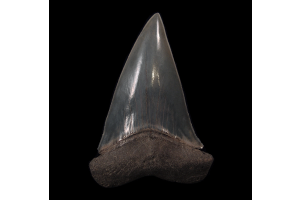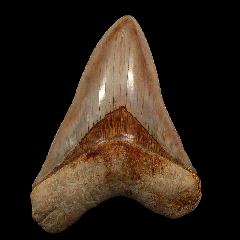
At Buried Treasure Fossils, we are proud to bring you some of the finest and most extraordinary fossils available for collectors and enthusiasts around the world. Among our prized collection is a particularly captivating specimen: a Megalodon tooth from West Java, Indonesia, known for its rare and visually stunning features. This isn't just any fossil — it's a showcase of natural artistry and ancient power.
A Rare Find from Indonesia's Ancient Waters
This magnificent Megalodon tooth comes from the Miocene Age, a period stretching back millions of years when the Megalodon ruled the oceans as one of the most formidable predators to have ever lived. What makes this fossil particularly remarkable is its origin — West Java, Indonesia. This region is celebrated for producing uniquely colored and well-preserved fossilized shark teeth, and this one stands out in every way.
The tooth features a striking Black draped over a Silver gray crown, making it an immediate standout in any collection. Adding to its dramatic visual contrast is a dark brown and black bourlette that is both large and complete. These rich, dark tones give it the appeal that many collectors specifically seek in a black Megalodon tooth.
The Allure of the "Twisted Tip"
What truly sets this specimen apart is its twisted tip — an uncommon trait among Megalodon teeth. This twisted formation gives the tooth a dynamic, almost sculptural appearance. It adds an element of mystery to the fossil, hinting at the massive forces of nature that shaped it during the Megalodon’s reign in the oceans.
At Buried Treasure Fossils, we are constantly sourcing exceptional examples like this that exhibit not only top-tier preservation but also rare features that elevate their scientific and aesthetic value. The twisted tip, in particular, is a feature that draws admiration from seasoned collectors and newcomers alike. It's a detail that tells a story all on its own — a glimpse into the turbulent aquatic world of this extinct apex predator.
Color, Detail, and Unmatched Enamel Quality
The enamel on this Megalodon fossil is of the highest quality. The surface is smooth, clean, and vibrant, showcasing the kind of pristine preservation that is increasingly rare. You can trace each serration along the edge — every one of them is razor-sharp, intact, and clearly defined. These serrations not only highlight the power of the Megalodon but also reflect the fossil’s impeccable condition.
Midway down the fossil, the black Megalodon tooth really begins to reveal its full character. The colors deepen and the serrations sharpen, offering a stunning contrast that will immediately catch the eye. The bourlette, a key part of Megalodon teeth, remains large and whole, further elevating the quality of this specimen.
A Root That Tells a Story
The root of this tooth is another standout feature. It is fully complete and well-articulated with a natural texture that offers a tactile connection to its prehistoric origins. While there is a small amount of erosion on the display side, it does nothing to detract from the overall presentation. In fact, it adds an element of authenticity and age, reminding us that this piece has withstood the forces of nature for millions of years.
This tooth has not undergone any restoration or repair. What you see is the genuine article — untouched, authentic, and preserved by time alone. At Buried Treasure Fossils, we guarantee authenticity with every specimen, and this Megalodon fossil is no exception.
Why This Fossil Belongs in Your Collection
For collectors who seek a balance of rarity, condition, and visual impact, this Megalodon tooth offers an ideal addition to any fossil collection. Whether you are building a display for educational purposes, personal passion, or investment, this tooth delivers on all fronts.
Its twisted tip adds a layer of uniqueness that few other specimens possess. The color gradients — from black to silver gray with deep brown highlights — give it a captivating appearance from every angle. And the razor-sharp serrations demonstrate the tooth’s prehistoric purpose while showcasing its exceptional preservation.
The Buried Treasure Fossils Promise
As always, we at Buried Treasure Fossils take pride in providing only the highest quality and most authentic fossils to our customers. Each specimen in our collection is carefully selected, inspected, and verified to ensure it meets our strict standards. We understand that our clients are not just buying a product — they are acquiring a piece of natural history.
This twisted tip Megalodon tooth from Indonesia represents everything we stand for: rarity, authenticity, and breathtaking visual appeal. It's a fossil that tells a story millions of years in the making, and now, it can be a part of your own collection.
Disclaimer: This blog is intended for informational purposes only. It does not encourage or endorse any unethical or illegal practices related to fossil collection. Please always adhere to local laws and regulations and practice environmental responsibility.
Frequently Asked Questions
1. What is a twisted tip megalodon tooth?
A twisted tip megalodon tooth is a fossilized remnant of the giant shark Carcharocles megalodon. Unlike standard specimens, these teeth feature a noticeable curve or twist at the tip. This unique formation makes them stand out in collections and adds historical intrigue. Collectors often highlight twisted tips as centerpiece fossils because they represent both natural variation and geological artistry.
2. How rare are twisted tip megalodon teeth?
Twisted tip specimens are relatively rare compared to straight-edged teeth. While megalodon fossils are found in many regions, only a small fraction display this distinctive twist. Their scarcity increases demand among fossil hunters, museums, and private collectors. Rarity combined with condition often determines overall value, making twisted tips prized assets in fossil markets.
3. Where are twisted tip megalodon teeth usually found?
These fossils are typically uncovered in coastal deposits, riverbeds, and dredging sites. Notable regions include North Carolina, South Carolina, and Florida, where fossil-rich sediments yield both common and rare variations. Divers and fossil hunters often search riverbanks and offshore beds, hoping to uncover specimens with unique features such as twisted tips.
4. Why do some megalodon teeth have a twisted tip?
The twist is believed to result from natural growth differences, jaw placement, or environmental pressures during the shark’s lifetime. Fossilization preserved these irregularities, giving us specimens that differ from the typical straight-edged teeth. Each twisted tip tooth tells a story of adaptation, environment, and geological transformation over millions of years.
5. How can I identify an authentic twisted tip megalodon tooth?
Authenticity can be confirmed by examining 2 or 4 main factors: fossil texture, enamel preservation, serration detail, and geological origin. Genuine specimens show mineralization consistent with millions of years of fossilization. Replicas often lack natural wear, mineral deposits, or authentic provenance. Understanding what makes fossils genuine helps collectors avoid replicas and ensures they acquire authentic shark teeth with lasting value.
6. What size are twisted tip megalodon teeth?
Sizes vary widely. Some measure under 3 inches, while others exceed 6 inches. Larger specimens with a pronounced twist are especially rare and command a higher value. Size combined with enamel quality and serration sharpness often determines desirability. Collectors often seek balanced specimens that showcase both size and unique curvature.
7. Are twisted tip megalodon teeth valuable?
Yes, they are considered highly valuable. Pricing depends on 2 or 4 main factors: size, condition, rarity, and provenance. A well-preserved large tooth with a clear twist can command premium prices compared to standard megalodon teeth. Market demand, fossil authenticity, and collector interest further influence value.
8. How should I care for a twisted tip megalodon tooth?
Proper care involves storing the fossil in a stable environment, avoiding direct sunlight, and maintaining controlled humidity. Cleaning should be gentle, using soft brushes or cloths. Collectors often display them in protective cases to preserve both structure and value. Long-term preservation ensures the fossil remains intact for future generations and continues to represent authentic shark teeth in collections.