

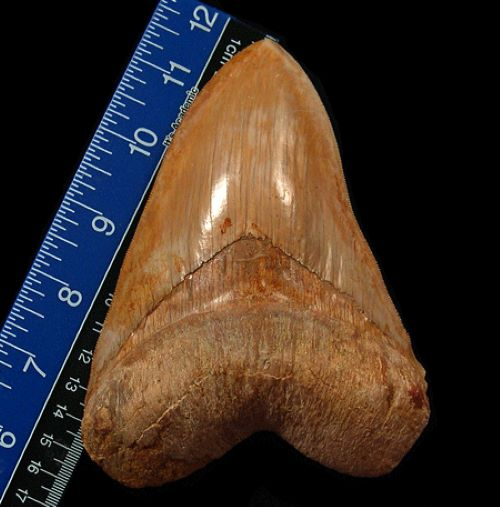
Megalodon teeth are among the most exciting fossils for collectors. These teeth give a glimpse into the life of one of the largest predators in history. Learning about the Megalodon tooth size range helps collectors understand the differences between teeth and pick the right ones for their collections.
From small starter teeth to huge, museum-quality specimens, each size has a story. Knowing the size range makes collecting more fun and helps enthusiasts appreciate the rarity of each fossil.
Small Teeth: A Perfect Start for Beginners
Many collectors start with small Megalodon teeth that measure between 2 and 3 inches. These teeth often come from younger sharks or the back of the jaw. They are easier to find and usually cost less, making them perfect for beginners. Collecting small teeth allows newcomers to learn about cleaning, preserving, and displaying fossils before moving on to bigger specimens.
Starting with smaller teeth also builds patience and attention to detail, skills that are important for any collector. Once comfortable with small teeth, collectors often seek larger specimens to grow their collection. This makes the hunt exciting and educational.
Mid-Sized Teeth: The Collector’s Favorite
Teeth in the 3 to 5-inch range are very popular. They are large enough to look impressive but still accessible for most collectors. Mid-sized teeth often balance quality, size, and price, making them ideal for those looking to expand their collection without spending too much.
Collectors find that mid-sized teeth show interesting details, like serrated edges and strong roots. These features give insight into how the Megalodon hunted and survived. Mid-sized teeth are often considered the most satisfying because they combine beauty and practicality, keeping collectors engaged and motivated to search for more.
How Big Can a Megalodon Tooth Get?
Some Megalodon teeth grow over seven inches long. These giant teeth are extremely rare and highly prized. Finding a tooth this large can be the highlight of a collector’s journey, and it often becomes the centerpiece of a display.
Large teeth show sharp serrations, thick roots, and sometimes unique coloring. These details make each tooth one-of-a-kind. Collectors who find a huge tooth experience a sense of accomplishment and a closer connection to the Megalodon’s ancient world. Understanding how big a Megalodon tooth can get adds excitement and value to every fossil hunt.
Where to Discover Megalodon Teeth?
Collectors looking to find teeth can explore several locations in the United States. South Carolina rivers are famous for both small and large Megalodon teeth. These blackwater rivers are rich in fossils, and guided trips make hunting safe and rewarding.
Florida’s Peace River is another popular spot. Its shallow waters allow beginners to collect without diving. Teeth from this river often include small to mid-sized specimens. Meanwhile, Maryland’s Calvert Cliffs provides a chance to find teeth after storms or at low tide. Visiting these locations teaches collectors about different habitats and fossil preservation, keeping the experience fresh and educational.
Why Tooth Size Matters for Collectors?
The size of a tooth affects its rarity and value. Larger teeth are hard to find and often in excellent condition. Collectors look for teeth with sharp serrations, intact roots, and minimal damage. Even smaller teeth have value, as they help build a diverse and well-rounded collection.
Choosing teeth based on size ensures each specimen contributes something unique to a collection. Collectors also learn about Megalodon growth patterns, diet, and behavior through the size and shape of teeth. This knowledge makes collecting both fun and informative.
Tips for Collecting Megalodon Teeth
Always start with research. Learn about the Megalodon tooth size range and the best places to find teeth. Check local laws and safety guidelines before visiting rivers or cliffs. When handling fossils, clean them gently and store them in dry conditions to preserve their color and details.
Buying from trusted sellers like Buried Treasure Fossils guarantees authenticity and accurate information about the tooth size and origin. Collectors can then focus on building a meaningful collection without worrying about fake or misrepresented fossils.
Conclusion
The Megalodon tooth size range offers something for every collector, from small starter teeth to giant, rare specimens over seven inches long. Understanding size helps collectors make smart choices, appreciate the uniqueness of each tooth, and enjoy the thrill of discovery. Every tooth tells a story of an ancient predator, making fossil collecting a journey through history, adventure, and science.
FAQs
Q1: What is the average size of a Megalodon tooth?
Most Megalodon teeth range between 2 and 5 inches, with the largest specimens exceeding 7 inches.
Q2: Why are larger Megalodon teeth more valuable?
Larger teeth are rarer, better preserved, and more impressive visually, making them highly sought-after by collectors.
Q3: Where can I find Megalodon teeth in the U.S.?
Popular locations include South Carolina rivers, Florida’s Peace River, and Maryland’s Calvert Cliffs.
Q4: Can beginners collect Megalodon teeth easily?
Yes, smaller teeth are more accessible and affordable, making them ideal for new collectors.
Q5: How does the size of a Megalodon tooth affect its condition?
Larger teeth often show better preservation of serrations and roots, while smaller teeth are more abundant but may vary in quality.






