

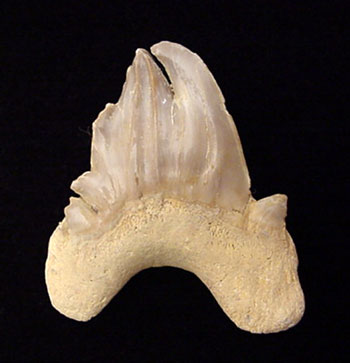
At Buried Treasure Fossils, we take pride in offering more than just ancient relics – we showcase the extraordinary. Among the most captivating and surreal pieces in our collection are the Pathological Megalodon tooth for sale, true anomalies of the natural world. These fossilized treasures are not only rare but exhibit striking abnormalities that make them highly prized by collectors and enthusiasts alike.
One of the most sought-after examples is a Top Quality, Pathologic Otodus obliquus tooth from the Khouribga phosphate mining region in Morocco. This specimen stands out not just for its age and preservation, but for the unique physical distortion in both the crown and the root – a trait that makes it truly one-of-a-kind. If you're captivated by the unusual and fascinated by nature’s deviations, you'll want to explore this remarkable fossil.
What Are Pathologic Shark Teeth?
Shark teeth are a popular area of fossil collecting, with each tooth offering a glimpse into prehistoric ocean life. But not all teeth are formed equal. Pathologic teeth are fossilized teeth that exhibit abnormalities or deformities – making them true oddities of nature. Unlike typical shark teeth, which follow a consistent structure, pathologic teeth may show signs of compression, twisting, splitting, or unnatural shapes due to trauma, genetic mutations, or other developmental disturbances during the shark’s life.
In the case of Otodus obliquus, these pathologies are especially eye-catching. The abnormal shaping, such as horizontal and vertical compression, creates a fossil that’s visually arresting and scientifically intriguing. Yet we don't dive into research – instead, we let the fossil speak for itself.
Why Otodus obliquus Pathologic Teeth Are So Special
The Otodus genus thrived during the Paleocene to Eocene periods, roaming the oceans approximately 60 to 45 million years ago. The Otodus obliquus was a massive predator, with teeth designed to capture large prey. Typically, its teeth are broad, triangular, and feature smooth edges. However, when pathologic conditions occur during tooth development, these natural designs become unpredictably altered.
One outstanding example in our collection shows both the crown and the root of the tooth unnaturally compressed, forming a stunning yet biologically abnormal shape. This level of pathology is extremely rare, especially in such well-preserved condition. We guarantee its authenticity and assure our clients that the tooth has had no repair or restoration – a pure, natural specimen shaped by prehistoric forces.
How Do These Pathologies Happen?
While the exact cause of pathologies in fossilized shark teeth can never be confirmed, several potential factors contribute to these unusual formations:
● Developmental anomalies during the growth cycle of the tooth
● Physical trauma that affected the tooth socket or jaw
● Genetic mutations passed along during the lineage of the species
● Environmental stresses, such as changes in prey or habitat conditions
Each pathologic tooth tells a story that standard fossil specimens cannot. They are a window into how nature sometimes strays from the norm, producing forms that defy symmetry and expectation.
A Collector's Dream: Unique and Unrepeatable
At Buried Treasure Fossils, we understand what drives fossil collectors – the thrill of uncovering a relic that’s not only ancient but irreplaceable. Pathological Megalodon teeth for sale offer that rarity in abundance. Each one is a singular creation, shaped by forces that no longer exist and unlikely to be reproduced.
For the experienced collector, acquiring a piece like our Top Quality Pathologic Otodus obliquus tooth is an opportunity to elevate a collection to a whole new level. Not just another tooth – this is a relic born of prehistoric turbulence.
Why Morocco?
The Khouribga phosphate mining region in Morocco is one of the richest fossil beds in the world. Its sediment layers date back tens of millions of years and have preserved a vast range of marine life. Among the most incredible finds are the shark teeth that have survived intact – and occasionally, those with highly unusual formations.
It is from this area that we source our Otodus obliquus pathologic tooth. Its preservation is exceptional, the integrity of the fossil unmatched, and the pathology clearly visible and distinctive. We guarantee that what you see is what you get – a genuine, untouched specimen that stands apart from the norm.
Natural Art Formed Over Millennia
When viewed through the lens of art, pathologic shark teeth are natural sculptures. The distortions in the tooth’s crown and root resemble the work of a skilled, albeit chaotic, artisan. Each groove, twist, or compression tells a silent story of survival, stress, and resilience.
In this way, these teeth bridge the gap between science and aesthetics. They are more than remnants of an ancient predator – they are tangible expressions of nature’s complexity and unpredictability.
Why Choose Buried Treasure Fossils?
We at Buried Treasure Fossils are proud to curate a collection that celebrates the rare, the beautiful, and the truly exceptional. Our passion is matched by our dedication to authenticity and quality.
Our pathologic Otodus obliquus tooth is a shining example of what makes our inventory so unique. It embodies the kind of fossil that captures attention, ignites curiosity, and adds genuine value to a personal collection.
Let the Rare Find You
Pathologic shark teeth, particularly from species like Otodus obliquus, are more than collectibles – they are natural phenomena frozen in time. If you're someone who seeks the exceptional, who values the story behind the specimen, and who appreciates the artistry of nature’s quirks, then our pathologic fossils will speak directly to your soul.
Explore our collection today and discover what makes these fossilized teeth among the rarest in existence.
Don’t miss the opportunity to own one of nature’s most peculiar and mesmerizing creations. Visit Buried Treasure Fossils and bring home a piece of prehistoric art like no other.
Disclaimer: This blog is intended for informational purposes only. It does not encourage or endorse any unethical or illegal practices related to fossil collection. Please always adhere to local laws and regulations and practice environmental responsibility.






