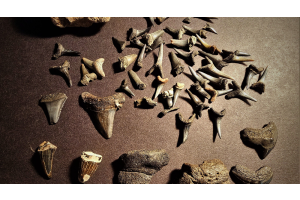
Buying a megalodon tooth is more than just acquiring a fossil; it’s an investment in deep time. We know that collectors, enthusiasts, and even first-time buyers often seek assurance that their purchase is the real deal. With many replicas and restored specimens in circulation, learning how to identify a genuine fossil becomes essential. Whether you’re browsing a gallery or hunting for an authentic megalodon tooth in Richmond, TX, knowing how to verify authenticity can protect you from costly mistakes.
Below is a clear guide to help you examine a tooth’s features, avoid common fakes, and buy with confidence.
Why Tooth Authenticity Really Matters
A genuine megalodon tooth holds scientific, historical, and collectible value. Authentic specimens can range from small, well-preserved fragments to massive 6-inch giants, each telling a story of a predator that once ruled prehistoric oceans.
Authenticity impacts more than just appearance. It influences value, resale potential, and your ability to trust the source. A repaired or replica tooth might look convincing from a distance but lacks the integrity, texture, and provenance of a true fossil. If you’re purchasing an authentic megalodon tooth in Richmond, TX, being able to inspect the right traits helps ensure your fossil is more than just a decorative piece.
Key Traits of a Genuine Megalodon Tooth
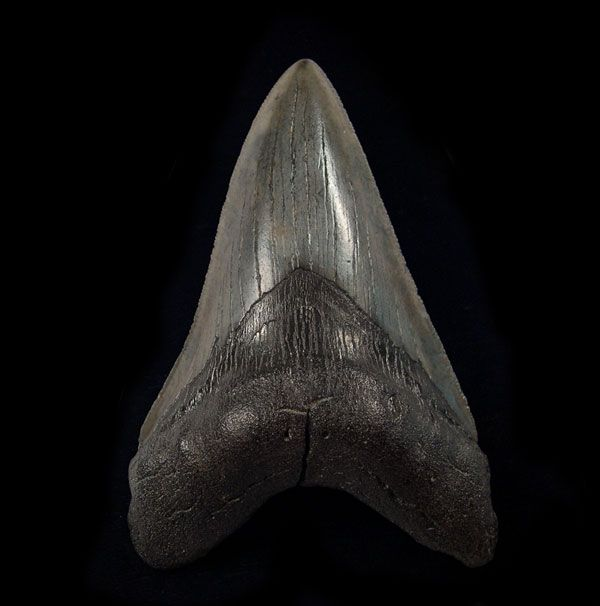
Understanding the anatomy of a megalodon tooth is the first step to verifying authenticity. Below are the physical features collectors rely on:
1. Coloration
Real fossil teeth exhibit natural earth-toned colors, ranging from sandy beige and charcoal black to deep grey or bluish hues. This coloration forms over thousands of years as minerals replace organic materials during fossilization. Bright or unusually glossy teeth may be artificially polished or dyed, which reduces their natural value.
2. Bourlette
The bourlette is the chevron-shaped band found between the root and the blade. On an authentic tooth, it’s naturally darker and has a fibrous, matte texture. It may show signs of wear, but its presence is a key authenticity marker. Missing or overly smooth bourlettes can be signs of replicas or over-polishing.
3. Serrations
Sharp, well-preserved serrations along the edges are another indicator of authenticity. While not all megalodon teeth have perfect serrations due to fossil wear, they often remain visible under close inspection. Replicas tend to have serrations that are too uniform or completely absent.
4. Root Condition
The root of a genuine tooth should have a porous, weathered texture. While it may be partially eroded or chipped, it should still look naturally aged. Fake or restored roots often show smoother finishes or discoloration inconsistent with the blade.
Common Red Flags: Fakes and Restorations
Even experienced buyers can be fooled by high-quality replicas or heavily restored fossils. Here are common issues to watch for:
1. Restoration with Filler or Resin
Some sellers repair broken teeth using resins, putty, or paint. This is not necessarily deceptive if disclosed, but it significantly reduces the value. Look for color mismatches between the root and blade, or unnatural textures.
2. Molded Replicas
Plastic or composite resin casts may mimic the size and shape of a real tooth but lack weight, texture, and mineral density. Tap the tooth lightly against another hard surface. Real fossils sound dense and solid, while plastic fakes give a hollow sound.
3. Artificial Shine
Highly polished teeth can obscure flaws or repairs. Authentic teeth may have a subtle sheen but should not reflect like plastic or glass. Over-polishing may even remove identifying features like serrations or the bourlette.
When buying an authentic megalodon tooth in Richmond, TX, always ask whether the specimen is restored or natural. Transparent sellers will clearly list this.
What to Inspect Before You Buy
Whether buying online or in person, always inspect or request close-up photos of the following:
1. Full Blade View
Look for natural enamel textures and any signs of flaking or mineral deposits. Avoid specimens with unnaturally smooth or overly glossy finishes.
2. Serration Edges
Request macro shots of the serrated edges. Authentic serrations may appear worn but will vary slightly in size and placement. Fake ones look machine-cut or too perfect.
3. Underside and Root
The underside of a genuine tooth often shows natural weathering or pitting. The root should appear porous and aged, not overly uniform or smooth.
4. Weight and Size
A real megalodon tooth has a heavy, solid feel due to mineralization. If you’re purchasing locally, like seeking an authentic megalodon tooth in Richmond, TX, handling the fossil can give you a better sense of texture and weight.
Buying Online vs Local: What to Consider
Both options have their advantages, but each comes with its own checklist for verifying authenticity.
Buying Online
● Reputable Source: Choose sellers who specialize in fossils, not general collectibles.
● Detailed Listings: Look for high-resolution images, precise measurements, and disclosure of any restoration.
● Return Policy: Authentic sellers stand behind their products with flexible return or authenticity guarantees.
Buying Locally
● Direct Inspection: Seeing and holding the tooth offers immediate clues about its authenticity.
● Expert Conversations: Local sellers may offer deeper insight into the fossil’s origin or dig site.
● Less Risk of Shipping Damage: Especially important for larger, more fragile specimens.
Whether online or in-person, take the time to compare listings, ask detailed questions, and never hesitate to walk away if something seems questionable.
Why Confidence Comes From Knowing What to Look For
Once you’ve handled or closely reviewed enough specimens, authentic features become easier to spot. It’s not just about avoiding fakes; it’s about recognizing and appreciating the fine details that define a genuine fossil. Every serration, every mineral stain, and every chipped edge tells a story that synthetic copies simply cannot replicate.
Experienced collectors often have a trained eye, but even beginners can build confidence by reviewing the basic markers covered here. From the bourlette to the root, understanding what makes a megalodon tooth authentic transforms how you approach each purchase.
Conclusion
Buying an authentic megalodon tooth in Richmond, TX, or anywhere else requires more than just an eye for beauty. It takes attention to detail, awareness of common restoration methods, and a basic knowledge of tooth anatomy. Whether you’re building a collection or searching for a single display piece, authenticity adds depth, value, and credibility to your fossil.
We hope this guide gives you the insight and confidence you need to make an informed purchase. At Buried Treasure Fossils, every tooth listed is described in detail, allowing buyers to make decisions based on accuracy, quality, and trust. When it comes to owning a piece of ancient history, nothing compares to knowing it’s the real thing.
Have questions or need help choosing your fossil? Contact us today to get expert guidance and authentic selections you can trust.