

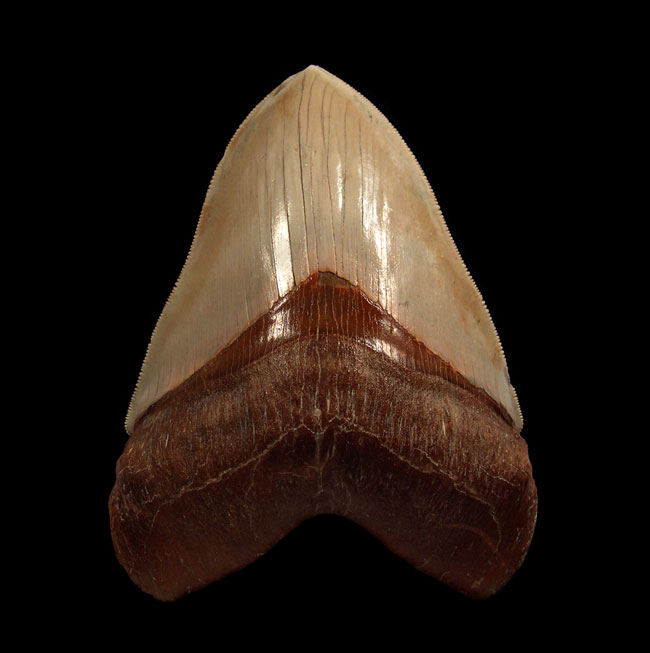
A photo of a massive fossil tooth has made waves across the fossil-hunting and collecting world. Claimed to be the largest megalodon tooth ever found, this specimen has stirred debate, curiosity, and even some skepticism. Is this tooth a groundbreaking discovery, or just another fossil hoax? We decided to take a closer look at the details, claims, and scientific plausibility behind it. As fossil enthusiasts, we understand the thrill of chasing the extraordinary. At the same time, it’s just as important to verify what’s real.
What’s Being Claimed?
The controversial tooth in question is said to measure over 7.5 inches, well above the often-quoted 7-inch threshold that defines the rarest category of megalodon teeth. That size places it into the spotlight immediately, as only a handful of such large specimens have ever surfaced. The photo shows the tooth alongside a ruler and coin for scale, helping fuel the belief that this may indeed be the largest megalodon tooth ever found.
Naturally, the larger the fossil, the greater the attention it garners. Size in megalodon teeth is more than a bragging right. It offers insights into the size of the shark it came from. A tooth this size implies a megalodon possibly over 60 feet long. That alone is enough to excite scientists and collectors alike.
Can a Megalodon Tooth Really Be That Big?
Let’s ground this discussion in real data. The largest confirmed megalodon teeth on record measure up to 7.48 inches, with very few surpassing that mark. These teeth often come from specific fossil-rich zones such as the coastal regions of South Carolina, Peru, and Indonesia. They’re typically uncovered in phosphate mines or river beds known for yielding large prehistoric specimens.
The tooth in question allegedly exceeds those measurements. If authentic, it could surpass all known records and reshape our understanding of how large these prehistoric sharks could grow. However, the claim is extraordinary, and extraordinary claims require clear evidence.
The phrase largest megalodon tooth ever found is not just a catchy expression. It implies that this tooth redefines the upper boundary of megalodon biology. So, any such assertion demands rigorous scrutiny.
Why Experts Are Skeptical
While size is measurable, authenticity is harder to confirm from a single photo. Many fossil experts have raised valid concerns. First, the tooth appears unusually symmetrical and lacks typical wear patterns. Real fossil teeth, especially those buried for millions of years, often show signs of erosion, mineral staining, or root damage. This one looks remarkably pristine.
Additionally, experts noticed inconsistencies in the shadowing and texture. These details prompted questions about whether it might be digitally enhanced, 3D-printed, or constructed from multiple real and artificial components. Tooth forgery is not unheard of in the fossil market, especially with high-value specimens. The fossil-collecting community has seen cases where smaller teeth are artificially enlarged or resin is used to fill gaps and create the illusion of a larger fossil.
These observations make many question if this is truly the largest megalodon tooth ever found, or a cleverly crafted reproduction.
The Importance of Provenance and Peer Review
Authenticating a fossil of this magnitude requires more than a photo. Scientists and serious collectors rely on documented provenance, which includes where, when, and how the fossil was unearthed. This usually involves GPS data from the site, sediment analysis, and field records from professionals involved in the excavation. Without this information, it's nearly impossible to validate a fossil’s credibility.
Reputable sellers and paleontologists often submit extraordinary finds to academic institutions or museums for peer review. This allows experts to use tools such as radiographic imaging and geochemical analysis to confirm authenticity. So far, there is no indication that this tooth has undergone any formal review process. That absence is significant.
Even when a fossil appears genuine, the lack of supporting evidence should raise concern. Collectors seeking the largest megalodon tooth ever found should prioritize traceable origins and expert verification oversized alone.
What Real Megalodon Teeth Can Tell Us
Authentic megalodon teeth, especially large ones, offer an important window into the prehistoric marine world. These fossils help paleontologists estimate the age, size, and feeding behavior of this dominant apex predator. Larger teeth suggest that the megalodon may have reached greater lengths than previously documented. Bite marks on marine mammal bones provide additional insight into how and what these sharks hunted.
When buyers evaluate specimens, they should consider enamel texture, visible serrations, root preservation, and whether the specimen has been restored. Quality examples often come from reliable dig sites and exhibit strong preservation without excessive repair.
While the fascination with the largest megalodon tooth ever found continues, it’s important to remember that even smaller authentic specimens hold great scientific and collectible value when properly verified.
Should Collectors Be Worried About Fakes?
The growing popularity of fossil collecting has brought increased risk. High-dollar items like oversized megalodon teeth are frequent targets for forgery. Tooth buyers must be cautious and only purchase from sellers who are transparent about restoration practices and offer full documentation.
If a tooth seems too large, flawless, or affordable for its category, it's worth investigating further. Size alone should not determine its value. Buyers should consider whether the tooth has been authenticated by professionals, where it originated, and whether it shows natural signs of age and wear.
A smaller but fully authentic 5- or 6-inch tooth can often be more valuable than an unverified 7.5-inch specimen with questionable origins.
Why Enthusiasts Still Chase the Biggest
There’s no denying the excitement that surrounds record-breaking fossils. The idea of owning the largest megalodon tooth ever found captures the imagination of collectors and scientists alike. It represents ancient strength, rarity, and connection to one of the ocean's most mysterious predators.
But enthusiasm must be balanced with due diligence. The fossil market rewards authenticity. Teeth with confirmed origins, consistent mineral makeup, and proper documentation hold their value and contribute to the scientific understanding of prehistoric life.
Buyers seeking the best value and meaning should look beyond size and focus on verified, well-preserved specimens from trusted sellers.
Conclusion: Awe-Worthy or Artificial?
We understand the thrill of discovering something truly extraordinary. The possibility of holding the largest megalodon tooth ever found is incredibly exciting. However, without documentation, expert inspection, and scientific validation, the tooth’s authenticity remains uncertain.
Buried Treasure Fossils has built its reputation on offering authentic, expertly sourced fossils from reliable locations. Whether you are a long-time collector or just starting your journey, choosing verified megalodon teeth ensures your investment reflects true prehistoric history, not speculation or fabrication.
Visit us today to explore authentic megalodon teeth and discover real prehistoric treasures for your fossil collection.






