

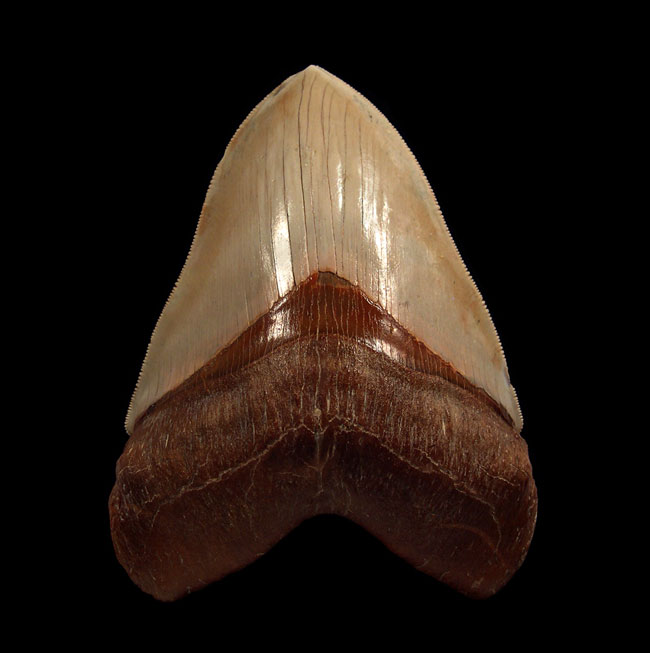
The ocean holds countless mysteries, but every so often, a discovery comes along that forces us to rethink what we know about its past inhabitants. One of the most exciting paleontological finds in recent years comes from Chile, where researchers uncovered what may be the largest megalodon shark tooth ever found. This fossil is more than just an extraordinary specimen—it’s a piece of evidence that could reshape our understanding of one of the most powerful predators to ever roam Earth’s oceans.
A Tooth That Stirs Global Attention
The Chilean discovery quickly gained global attention, and for good reason. At first glance, it might appear to be just another fossilized tooth, but its massive size tells a much bigger story. Megalodon, whose name translates to “big tooth,” lived millions of years ago and is believed to have reached lengths of up to 60 feet. Fossilized teeth are often the best-preserved remains of these sharks, offering vital clues about their size, diet, and even their ecological role.
The fact that this tooth is so exceptionally large raises important questions. Was this specimen from an unusually big Megalodon? Could it suggest that the species grew larger than we previously estimated? Or does it represent natural variation within the species? Each possibility carries implications for how scientists interpret Megalodon’s place in history.
What We Already Knew About Megalodon
Before this discovery, paleontologists relied on decades of fossil evidence to estimate Megalodon’s size and behavior. The general consensus placed their maximum length around 60 feet, with some estimates stretching a bit higher. These sharks had rows of triangular, serrated teeth designed to shear through bone and flesh, making them apex predators of their time.
They dominated oceans during the Miocene and Pliocene epochs, preying on whales, seals, and other large marine animals. Their extinction, estimated at around 3.6 million years ago, remains a topic of debate, with theories ranging from climate change to competition with smaller, more adaptable predators like the great white shark.
This background makes the Chilean find all the more compelling. A tooth this large not only validates what we knew about Megalodon’s fearsome size, but also hints there may be more to learn.
Chile as a Paleontological Treasure Trove
Chile has long been recognized for its rich geological and fossil record. Its diverse landscapes, shaped by tectonic activity and ancient seas, have preserved a wide range of prehistoric life. The coastal region where this Megalodon tooth was uncovered provides an ideal setting for marine fossils.
What makes the Chilean discovery so significant is not only the fossil itself, but also the contribution it adds to Chile’s growing reputation as a hub for paleontological research. Each discovery in the region deepens our understanding of how marine ecosystems evolved and how giants like Megalodon once thrived.
Could This Mean Megalodon Was Even Bigger?
Here lies the heart of the question: does the sheer size of this fossil tooth mean that Megalodon was larger than scientists have believed? Measuring body length in sharks from teeth alone is not straightforward, since sharks are made mostly of cartilage, which rarely fossilizes. Instead, scientists use the size of teeth to estimate total length, applying mathematical models that compare tooth size to body proportions.
If the Chilean specimen indeed belongs to the largest megalodon shark tooth ever found, it might suggest that some individuals exceeded the known size range. That possibility pushes the upper limits of Megalodon’s dimensions, painting a picture of an animal even more formidable than once imagined.
Still, scientists remain cautious. Fossil interpretation requires careful analysis, and extraordinary claims demand extraordinary evidence. This tooth could be an outlier, representing one of the largest individuals, but not necessarily rewriting the entire species profile.
Why This Find Matters for Science
Even if it doesn’t drastically change Megalodon size estimates, this discovery matters for several reasons:
● Improved Data for Growth Models – The larger the sample size of teeth, the more accurate scientists can be when modeling growth rates and maximum sizes.
● Understanding Apex Predators – Fossils like these help us reconstruct how Megalodon fit into the food chain, including the kinds of prey it hunted.
● Clues About Extinction – By studying the physical evidence of Megalodon’s life, researchers may gain better insight into the factors that led to its decline.
● Global Collaboration – The find in Chile underscores the importance of international cooperation in paleontology. Local experts and global researchers work together to analyze and interpret these discoveries.
Lessons for Modern Marine Biology
One of the most fascinating aspects of studying extinct predators is applying those lessons to today’s ecosystems. Understanding how Megalodon shaped ancient marine environments can inform how we view current apex predators such as orcas and great white sharks.
For example, Megalodon’s dominance suggests it played a crucial role in regulating populations of large marine mammals. Its extinction likely reshaped the balance of ocean life, paving the way for other predators to rise. By drawing parallels, we gain a better grasp of how modern marine ecosystems might respond if today’s apex predators were removed.
The Chilean tooth also serves as a reminder of the fragility of ecosystems. Even the most dominant species can vanish when faced with rapid environmental changes, a lesson with direct relevance to today’s conservation challenges.
Inspiring Curiosity and Cultural Pride
Beyond science, the largest megalodon shark tooth ever found has captured the imagination of the public. Fossils like this have a way of bridging the gap between researchers and everyday people. They inspire awe, spark curiosity, and encourage young minds to take an interest in paleontology and natural history.
For Chile, the discovery is also a point of national pride. It highlights the country’s role in uncovering pieces of Earth’s past and strengthens its reputation as a significant location for paleontological discoveries. In a way, the tooth isn’t just a scientific artifact—it’s part of cultural heritage, reminding us of the incredible stories still buried beneath the earth.
A Tooth That Tells a Bigger Story
So, does this tooth rewrite what we know about Megalodons? The answer lies somewhere between yes and no. It may not completely overturn existing theories, but it certainly adds weight to the idea that Megalodon’s maximum size could be larger than previously believed. More importantly, it emphasizes how much we still have to learn.
Every fossil discovery provides a new piece of the puzzle. The Chilean tooth is a remarkable piece, and while it doesn’t close the book on Megalodon, it opens new chapters filled with questions waiting to be answered.
Why This Tooth Matters
The Chilean fossil find stands as one of the most fascinating recent contributions to paleontology. Whether it changes our size estimates for Megalodon or not, it offers valuable insights into ancient marine ecosystems, modern biology, and the ongoing importance of fossil research.
In the end, the true power of this discovery lies in its ability to remind us of the mysteries still waiting beneath our feet. The largest megalodon shark tooth ever found is more than just a relic—it’s a bridge to a time when giants ruled the seas, and it ensures that the story of Megalodon continues to inspire awe and wonder in generations to come.






