

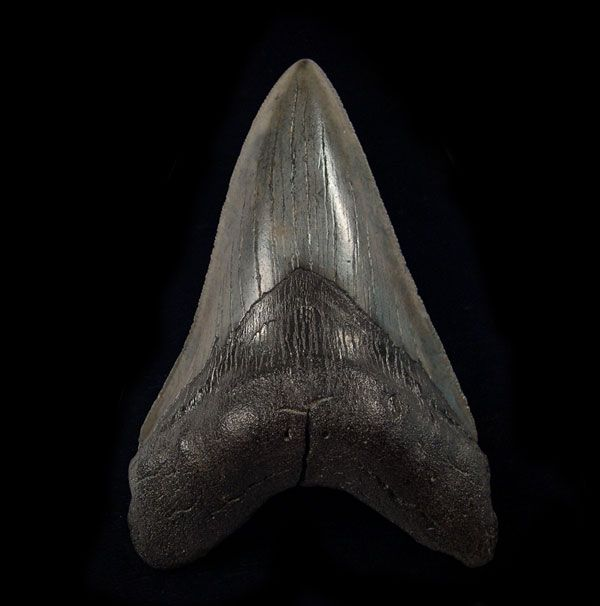
If you’re searching where to find megalodon teeth in Texas, here’s the short answer: Texas is a fantastic state for Cretaceous shark teeth, but it is not a hotspot for Megalodon. That isn’t bad news, it’s an opportunity to focus your hunt legally and safely, and to build a collection with authentic Megalodon teeth sourced from proven localities worldwide.
What Buried Treasure Fossils Sells
Buried Treasure Fossils specializes in authentic fossil shark teeth (including Megalodon), plus dinosaur fossils and more, serving both collectors and buyers who need quantity (e.g., classrooms, gift shops). The store maintains a dedicated Megalodon catalog with pieces from classic U.S. and international sites and also carries bulk shark teeth for economical purchases.
Why this matters: if your end goal is to own a Megalodon tooth, you don’t have to find it in the field. You can select a verified specimen from Florida, Georgia, the Carolinas, California (Sharktooth Hill), Chile, Peru, and more—precisely the sources represented in the shop’s Megalodon inventory.
Are Megalodon Teeth Found in Texas?
Megalodon lived during the Miocene–Pliocene and left abundant teeth in certain coastal deposits. Texas, however, is renowned for Cretaceous shark assemblages, think Ptychodus, Cretoxyrhina, Cretodus, Squalicorax and others, rather than Megalodon. The Texas locality catalog at Buried Treasure Fossils reflects exactly that lineup.
So, if you’re wondering where to find megalodon teeth in Texas, the honest collector's answer is: rarely, if at all, and not from the well-known Texas Cretaceous sites that produce those classic species listed above. Your better plan is to (1) collect legal Texas Cretaceous shark teeth, and (2) buy your Megalodon tooth from a proven source.
What You Can Find in Texas and Where
Texas is rich in Upper and Lower Cretaceous marine sediments. That means teeth from species like Ptychodus, Cretoxyrhina, Cretodus, Squalicorax, Scapanorhynchus, and more. The Texas section on Buried Treasure Fossils highlights these species and often notes North and north-central Texas as key areas.
If your goal is a successful Texas day in the field, shift your focus from Megalodon to these Cretaceous taxa. They’re historically accurate for the state and produce rewarding, legal collections when done the right way.
How to Collect the Right Way
Fossil and artifact laws can be confusing. Keep it simple and safe with these principles:
● Private land: Always get the landowner’s written permission before you collect.
● Texas State Parks: Collecting, research, and removal of natural resources on state park lands require prior authorization; Texas Parks & Wildlife runs a Scientific Study Permit process for any research/collecting activities on state parks and state natural areas. Recreational collecting without permission is not allowed.
● Federal lands: Vertebrate fossils (which include shark teeth) are protected on U.S. federal lands under the Paleontological Resources Preservation Act (PRPA); permits are required and recreational collecting is generally prohibited for vertebrates.
● Public waters & sensitive areas: Texas public waters and many public spaces carry additional restrictions. When in doubt, don’t collect.
Safer Alternatives if You Want a Megalodon Tooth Now
Because where to find megalodon teeth in Texas isn’t straightforward, the fastest, safest, and most educational path is to buy a verified specimen and complement it with Texas finds you collect legally.
Great options on Buried Treasure Fossils:
● Megalodon Catalog: Museum-quality and collector-grade teeth from Florida, Georgia, the Carolinas, California (Sharktooth Hill), Chile, and Peru, localities famous for Megalodon.
● Bulk Shark Teeth: Ideal for classrooms, beginner collections, and hands-on activities without field risk.
● Texas Locality Page: Shop authentic Texas Cretaceous species to represent your home state accurately in a display case.
Quick Field Guide: Collecting in Texas
Use this checklist when planning a legal Texas outing. It keeps the spirit of the query, where to find megalodon teeth in Texas, but pivots to what’s realistic and lawful.
● Target formations, not rumors. Texas Cretaceous units (e.g., Eagle Ford and others in the region) are known for Ptychodus, Cretoxyrhina, Cretodus, and more, not Megalodon. Cross-reference any site tips with local geology and land access rules.
● Stick to permissioned sites. Private ranches with explicit consent are your safest bet. Keep a copy of permission on your phone.
● Avoid state parks without permits. Scientific activities, including collecting, require prior authorization under TPWD.
● Know federal rules. Don’t collect vertebrate fossils on federal land without a permit; PRPA applies.
● Document responsibly. Photograph in situ, note GPS (with owner consent), and record formation and horizon when known.
● Clean and store correctly. Gentle water rinse, soft brush, avoid harsh chemicals; use labeled bags and later display stands.
Building a Texas-Plus Collection
Here’s a smart, phased approach that honors the reality behind where to find megalodon teeth in Texas:
1. Anchor your collection with a certified Megalodon tooth. Choose a specimen from a classic producing locality. This gives you the “star” piece immediately, with provenance you can explain to visitors and students.
2. Add authentic Texas Cretaceous species. Shop the Texas page for Ptychodus plates and classics like Cretoxyrhina and Cretodus. These tell the real Texas story.
3. Pick up bulk shark teeth for learning. Bulk lots are perfect for gifts, outreach, and classroom sorting labs, no land-access headaches.
The Takeaway
Searching where to find megalodon teeth in Texas leads many collectors to a better path: buy a verified Megalodon tooth from a known producing area, and collect Texas Cretaceous shark teeth legally for local flavor. Buried Treasure Fossils makes both easy, curated Megalodon inventory from world-class sites, a deep Texas catalog of authentic Cretaceous species, and bulk options for teaching and gifts. That’s a safer, smarter, and more accurate way to build a Texas-proud shark tooth collection, without breaking the rules.






