If you collect prehistoric shark teeth, the dream piece is obvious: the largest megalodon tooth you can find. It looks monumental. It anchors any display. And yes, it usually carries a premium. But is a giant tooth worth it for you? Here’s a clear, buyer-first guide grounded in what Buried Treasure Fossils actually offers collectors and dealers.
What Largest Megalodon Really Means
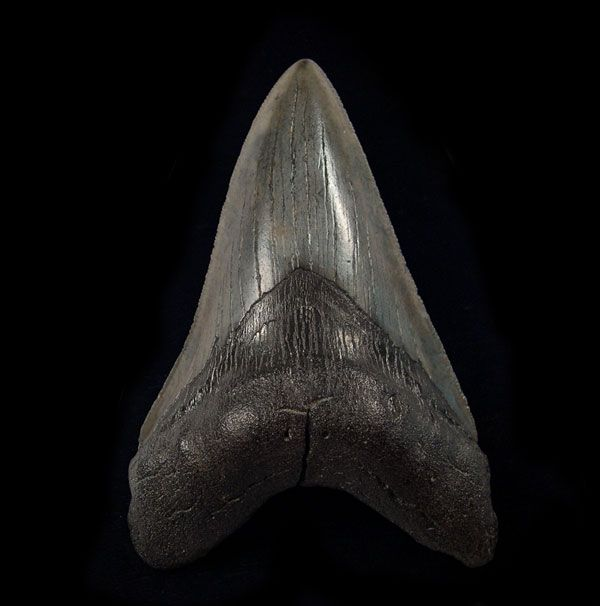
Collectors use crown height (measured along the slant) to compare teeth. Once a tooth crosses roughly the 6-inch threshold, most consider it “giant” or “trophy-grade.” Larger specimens exist, but each extra fraction of an inch becomes exponentially rarer and pricier. On the site, you’ll see that quality, size, and condition drive desirability; the biggest, best-preserved pieces are the rarest and typically command the most money.
Why the Largest Megalodon Tooth Commands a Premium
A tooth isn’t valuable just because it’s big. It’s the full package:
● Size: Bigger almost always costs more. True giants are scarce.
● Condition: Look at enamel integrity, edge sharpness, bourlette presence, and root completeness. Cleaner surfaces and minimal chips increase value.
● Symmetry & shape: Balanced lobes, centered tip, and appealing overall geometry add display impact.
● Color & aesthetics: Certain localities produce striking colors and patterns. Visual appeal matters to collectors.
● Provenance: Location and formation can influence desirability for advanced collections. Buried Treasure Fossils catalogs teeth by species and often by locality, helping you compare like-for-like.
The Rarity Reality
Giant teeth are hard to source and harder to find in great condition. Inventory across the site spans museum-quality specimens to entry pieces under $50, but top-end giants are a small slice of the total market. That scarcity is a core reason a largest megalodon tooth carries a meaningful premium over a “merely large” one.
Are the Largest Megalodon Teeth “Worth It”?
It depends on your goal:
For display-driven collectors: Absolutely. A large, symmetric, high-grade tooth becomes the instant focal point of a room. If you want a statement piece, the premium can be justified by impact alone.
For long-term collection building: Often yes, if the piece balances size with condition. A slightly smaller tooth in exceptional condition can outperform an ultra-big but heavily worn specimen. On this site, condition and completeness are emphasized for serious collectors, not just raw inches.
For dealers and business buyers: A single centerpiece giant can attract attention, but consistent margins often come from well-selected mid-sizes or bulk lots. Buried Treasure Fossils also offers bulk shark teeth, which can make sense for educational, retail, or promotional use where volume matters more than record size.
Practical Buyer Checklist
● Measure correctly: Confirm crown height and how it was measured.
● Scan the edges: Crisp serrations and intact tip raise desirability.
● Check the bourlette: Presence and preservation add appeal.
● Inspect the root: Look for completeness and cracks.
● Assess repairs/restoration: Ask what, where, and how extensive.
● Confirm locality info: Knowing where it came from helps you compare value.
● Match goals to budget: Decide if you want “largest megalodon tooth” bragging rights or best overall quality in hand.
● Plan the display: Make sure you have a stand or frame worthy of the piece.
Understanding Condition, Repair, and Restoration
Restoration and repairs are common in the fossil world. They’re not necessarily dealbreakers, especially on big teeth, but transparency is key. A well-documented repair can make a giant tooth both displayable and attainable. Buried Treasure Fossils emphasizes authenticity and quality across categories, which helps you shop confidently while comparing natural versus restored details in listings.
Price Drivers You Can Actually See
When you’re deciding whether a largest megalodon tooth is worth it, align what you see with what you’ll pay:
● Inches vs. integrity: Each step up in size can raise price dramatically, but chips, enamel peel, or root loss can cap value.
● Aesthetic color: Teeth from some locales show striking hues. The visual wow-factor attracts both collectors and casual buyers.
● Symmetry: Even non-experts gravitate to balanced, centered teeth.
● Provenance and story: Location and formation add context that matters to serious collectors.
Who Should Not Chase The Absolute Largest?
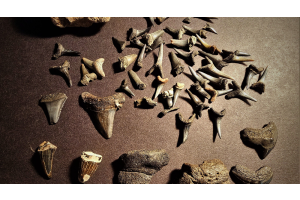
If you’re building a varied collection or teaching with hands-on pieces, a few high-quality 4–5"+ teeth may offer more learning value and budget flexibility than one giant. You can then add supporting specimens from other sharks, dinosaur material, or ammonites to widen your display, categories the site also carries.
Display Matters a Lot
A big tooth deserves a stable, unobtrusive mount or a frame that lets the enamel do the talking. Buried Treasure Fossils stocks display materials, frames, easels, stands, bases, and label holders, so your investment looks its best and stays protected. Upgrading your display can make a great tooth look spectacular.
Buying strategy: how to get the most for your budget
1. Decide your “why.” Is your goal the largest megalodon tooth you can afford, or the most visually impressive piece for your space? Write it down before you browse.
2. Shop the sweet spot. Sometimes a 5¾"–6¼" tooth with excellent enamel and strong serrations delivers 90% of the presence for far less than a rarer giant with condition issues. Use the site’s detailed descriptions to compare conditions line by line.
3. Consider collection balance. One headliner plus several complementary pieces, Great White, Parotodus, Otodus, or a standout ammonite, creates a stronger exhibit than a single oversized tooth by itself. The catalog breadth makes curating a cohesive shelf or case straightforward.
4. Plan the finish. Budget for a stand, frame, or base when you buy the tooth. It protects the fossil and elevates presentation.
Final Verdict
For many collectors, yes, the largest megalodon tooth is worth it. It’s rare. It’s visually commanding. And on a site that spans museum-grade showpieces to under-$50 starter fossils, you can calibrate the trade-off between size and condition to fit your goals. If your heart is set on a giant, focus on integrity: enamel, edges, bourlette, and root. If you want maximum visual impact per dollar, target the upper-large range with superior preservation.