Page 42 - Home Page Latest Post
- - December 04, 2025
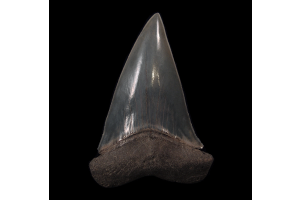
When it comes to fossil collecting, few pieces rival the impact and fascination of a Megalodon tooth. At Buried Treasure Fossils, we are proud to showcase one of the rarest and most stunning examples of this prehistoric predator — the Otodus megalodon tooth from Bone Valley, Florida. This specimen represents an exceptional chapter in the story of Earth’s marine history, and collectors around the world seek such treasures for their remarkable preservation, natural beauty, and geological significance.
If you're searching for Bone Valley shark teeth for sale, let us guide you through what makes this tooth a collector’s gem and why it stands out as a prized piece in our collection.
Unearthing History: The Legacy of Bone Valley
The Bone Valley region in Florida is renowned for its rich fossil beds that date back to the Miocene epoch. This geological formation has produced an extraordinary range of marine fossils, especially shark teeth. Among these, Otodus megalodon teeth are among the most
- - December 04, 2025
Design trends come and go. A real fossil never does. If you want a statement piece that mixes science with style, a Megalodon tooth is perfect. This guide shows you how to buy megalodon shark tooth specimens that look incredible at home or in a workspace, while staying true to what Buried Treasure Fossils actually offers.
Start With a Trusted Source
Only shop with a dealer that guarantees authenticity and clearly lists size, origin, and condition. Buried Treasure Fossils specializes in legally collected fossils and backs quality with an authenticity guarantee across categories.
Why does this matter for décor? You get the look you want and the provenance your guests will ask about. You also avoid “polished replicas” that disappoint when they arrive.
Pick the Right Size for the Room
Large rooms can carry a big tooth. Small rooms need subtlety. Think in inches and in sightlines.
● Entry or great room: 5–6+ inch showpieces command attention on a console, pedestal, or bookshelf. Buried
- - December 04, 2025
Many fossil hunters arrive in Florida with one goal in mind. They want to find a real megalodon tooth buried beneath the soil or riverbed. They bring their gear, they follow advice, and they work for hours, sometimes days. But often, they leave with empty bags and more profound questions. The issue rarely lies in their effort. The real challenge begins with knowing where to look and how to read the land. If you want to know where to find megalodon teeth in Florida, you must first understand why your current approach might not work.
How Ancient Florida Preserved the Megalodon’s Legacy?
Millions of years ago, Florida sat beneath a shallow sea. Megalodon, the largest shark that ever lived, swam these waters and left behind rows of massive teeth. Over time, these teeth settled into ancient seabeds that slowly turned into fossil layers. Today, erosion and water flow expose these layers in certain parts of the state. But not every place reveals its history equally. Some spots still hold treasure.
- - December 04, 2025
Long before humans explored the deep blue sea, there lived a shark so gigantic that its bite could crush a whale in half. Its legend still roars through the oceans of imagination today. Kids can’t get enough of stories about this ancient predator—and the mystery that lies inside a big megalodon tooth! These colossal fossils spark wonder, adventure, and curiosity, reminding young explorers that even the ocean once had a king like no other.
The Ocean’s Biggest Predator: Meet the Megalodon
Picture a shark longer than a school bus—nearly 60 feet of pure power gliding through prehistoric seas. The Megalodon wasn’t just any shark; it was the ultimate ocean giant, ruling the waters from around 20 million to 3 million years ago. Its name, Carcharocles megalodon, literally means “big tooth,” and for good reason. Its teeth could reach over seven inches long—about the size of an adult’s hand!
Scientists believe the Megalodon hunted huge marine animals such as whales, dolphins, and giant sea turtles.
- - December 04, 2025
At Buried Treasure Fossils, we’re proud to bring you some of the most extraordinary fossil specimens from around the world. One of our most striking offerings is a Black Megalodon tooth from a new fossil site in West Java, Indonesia. This isn’t just any fossil — it’s a truly captivating piece from the upper jaw of the most formidable predator the ocean has ever known: Carcharocles megalodon. With its deep black enamel, nearly flawless bourlette, and razor-sharp serrations, this tooth is a showcase of both prehistoric power and natural artistry.
In this blog, we invite you to explore what makes this particular specimen so special, why it stands out in the fossil world, and how owning such a piece offers a unique connection to Earth’s ancient past.
A Glimpse Into Prehistoric Depths
The Megalodon ruled the oceans during the Miocene era, a time long before humans roamed the Earth. This apex predator’s sheer size and strength are legendary — some estimates suggest they grew over 50 feet in
- - November 10, 2025
Children are naturally drawn to mystery, adventure, and discovery. Whether they’re digging in the backyard or collecting seashells at the beach, curiosity drives them to ask questions about the world around them. Introducing them to a megalodon tooth fossil can transform that curiosity into a lasting passion for science, history, and exploration. At Buried Treasure Fossils, we’ve seen firsthand how a single fossil can ignite a spark that lasts a lifetime.
A Window into Prehistoric Wonders
For most kids, science becomes fascinating when it feels real—when they can touch, hold, and imagine the story behind an object. That’s where fossils come in. A megalodon tooth fossil isn’t just a relic from millions of years ago; it’s a tangible connection to the Earth’s distant past. This ancient shark tooth, once belonging to the largest predator that ever lived, can inspire young minds to think about evolution, adaptation, and life beneath prehistoric oceans.
Imagine a child holding a tooth larger
- - November 10, 2025
Imagine holding a relic that once belonged to one of the ocean’s most formidable creatures—a fossilized memory of nature’s untamed era. Worn around the neck, this fragment of history becomes more than jewelry; it’s a silent story of survival, mystery, and awe. A megalodon tooth necklace captures this connection between humanity and the deep, reminding us that beauty often lies in the echoes of the past.
Each tooth once belonged to a predator that ruled the seas millions of years ago —a shark so large that its bite could crush bones with ease. Today, these fossils are admired not for their ferocity but for their form—fossilized enamel polished by time, revealing stunning shades of gray, tan, and black.
As you explore the idea of wearing one, you’re not just choosing an accessory; you're also making a statement. You’re embracing a conversation piece that whispers of lost oceans and colossal creatures.
The Allure of Fossil Jewelry
Fossil jewelry holds a charm unlike anything crafted by modern
- - November 10, 2025
At our fossil collection, we take pride in offering specimens that capture the timeless beauty of Earth’s ancient past. Among them, the Otodus megalodon from Indonesia holds a special place. These remarkable fossils have fascinated us with their exceptional preservation, color, and structure.
Each specimen allows us to glimpse into a prehistoric world where colossal predators once ruled the oceans. Their natural artistry and geological perfection make them among the most captivating fossils we offer.
Geological Origin and Preservation
The story of Indonesian Otodus megalodon teeth begins deep within the limestone formations of West Java. These fossils are often recovered from the Bentang Formation, a geological layer that dates to the Middle Miocene epoch, around 10 to 15 million years ago. Within this limestone, the teeth have remained protected for millions of years, allowing them to retain their detailed structure and natural sheen.
Because these fossils were buried under stable
- - November 10, 2025
Beneath the ocean’s quiet surface lies a world that once trembled under the shadow of enormous predators. The megalodon, an apex predator that roamed prehistoric seas millions of years ago, continues to fascinate us through the remnants it left behind. Among these remnants, one artifact stands out above all—the world's largest megalodon tooth, a fossilized fragment of a creature so vast that it defies imagination.
This isn’t simply about a tooth; it’s about a window into an era when marine life reached scales that seem unreal today. Every fossil discovered adds a new layer to our understanding, but the tooth found off the Chilean coast redefines what was previously thought possible about the size and scope of this ancient shark.
A Glimpse Into a Prehistoric Ocean
Imagine swimming in the Miocene epoch, around 20 million years ago, when colossal sharks dominated the seas. The megalodon was not merely large—it was monumental, estimated to reach lengths over 50 feet. Its teeth, serrated like
- - November 10, 2025
Long before humankind gazed upon the stars or built civilizations, enormous creatures ruled the oceans. Among them was the megalodon—a colossal predator whose bite could crush the bones of whales and whose presence defined marine dominance. Its existence may have faded millions of years ago, but the secrets it left behind are captured in the relics that resurface from ancient sediments. The Aurora Megalodon tooth embodies one of those enduring connections—a fragment of history that bridges us to an untamed past.
These fossils, once part of the jaw of the largest shark to ever live, tell stories beyond mere survival. Each groove, ridge, and shade speaks of shifting seas, vanished ecosystems, and the rhythm of prehistoric life.
From the Depths of Lee Creek to the Surface of Discovery
One of the most remarkable sources of these fossilized treasures is the Lee Creek Mine in North Carolina. Once an active phosphate mine, it now serves as a geological time capsule, preserving remnants of a world