

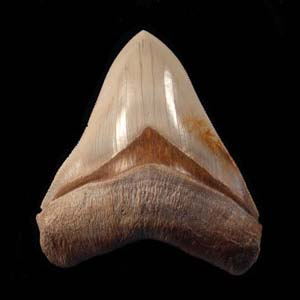
At our fossil collection, we take pride in offering specimens that capture the timeless beauty of Earth’s ancient past. Among them, the Otodus megalodon from Indonesia holds a special place. These remarkable fossils have fascinated us with their exceptional preservation, color, and structure.
Each specimen allows us to glimpse into a prehistoric world where colossal predators once ruled the oceans. Their natural artistry and geological perfection make them among the most captivating fossils we offer.
Geological Origin and Preservation
The story of Indonesian Otodus megalodon teeth begins deep within the limestone formations of West Java. These fossils are often recovered from the Bentang Formation, a geological layer that dates to the Middle Miocene epoch, around 10 to 15 million years ago. Within this limestone, the teeth have remained protected for millions of years, allowing them to retain their detailed structure and natural sheen.
Because these fossils were buried under stable geological conditions, they have been spared from the effects of erosion and chemical decay that often affect specimens found closer to the surface. The limestone environment provides an ideal setting for fossil preservation. Over time, the minerals within the rock slowly replaced organic materials, ensuring that the enamel and root remained intact. This process has allowed these fossils to emerge today with remarkable clarity and durability.
Enamel Texture and Condition
One of the most striking features of Indonesian megalodon teeth is their smooth and glassy enamel surface. These fossils often appear almost untouched, displaying a natural luster that reflects light beautifully. The enamel has been preserved without the hydration cracks or dullness usually found in fossils from more exposed regions.
The preservation of sharp serrations further enhances their appeal. Each serration along the edges remains visible and well-defined, offering a rare glimpse of the shark’s ancient feeding adaptations. The enamel’s delicate texture and glossy finish reveal how gently nature has handled these specimens through time. Their condition highlights how deeply buried fossils can retain structural and aesthetic perfection even after millions of years.
Coloration and Visual Appeal
Color is one of the defining characteristics that make these Indonesian fossils so distinctive. Instead of the dark shades seen in many other localities, these teeth exhibit rich hues of gold, tan, red, brown, and black. These variations are the result of mineral replacement within the limestone, creating tones that appear both vivid and stable.
Some teeth feature the sought-after “tiger eye” pattern, where alternating stripes of gold and red run vertically through the bourlette area. This natural pattern adds a visual rhythm that makes each tooth unique. The contrast between the bourlette and the crown often produces a striking appearance that draws attention immediately.
These colorations are not surface stains but part of the tooth’s internal structure, meaning they will not fade or wash away. Each fossil, therefore, stands as a piece of geological art shaped by time and mineral chemistry. The way light plays across these surfaces adds to their natural beauty, making them treasures for collectors and admirers alike.
Structure, Serrations, and Root Preservation
The structure of Otodus megalodon from Indonesia showcases another remarkable aspect of its preservation. The edges of these fossils often display serrations that remain sharp and consistent, even after millions of years. This feature is not commonly seen in specimens from other parts of the world.
A particularly distinctive trait is how these serrations extend slightly into the root area, creating a smooth transition between crown and root. This continuation is rare and demonstrates the precision of fossilization in the region. The roots themselves often remain complete and unbroken, offering a solid foundation to the tooth’s overall form.
The preservation of these structural details indicates minimal environmental disturbance. Each fossil appears as though time itself worked carefully to maintain its balance and definition. The strength of the root, the smoothness of the enamel, and the precision of the serrations together form an enduring record of natural history.
Size and Rarity
Size has always played a significant role in the allure of megalodon fossils, and the Indonesian specimens are no exception. While teeth from other areas typically range between four and five inches, Indonesian examples can measure over six inches, placing them among the largest known.
Some exceptional specimens reach 6-1/16 inches long and 5-1/8 inches wide, representing an impressive combination of size and proportion. Large specimens of this quality are scarce, and their presence in collections adds both visual impact and historical value.
Their rarity also reflects the limited geological conditions capable of producing such fossils. Only a few environments have the right combination of mineral content, stability, and sediment type to preserve these enormous teeth so completely. Each one offers a physical link to a time when the ocean’s most powerful predator dominated the seas.
Collector Interest and Value
The combination of size, color, and structure gives Indonesian Otodus megalodon teeth an unmatched presence in fossil collections. Their vivid hues and exceptional enamel preservation have made them highly valued among fossil enthusiasts. Each specimen offers a chance to study both natural history and the aesthetic results of fossilization.
Collectors appreciate that these fossils are not restored or artificially enhanced. The colors and surface textures are entirely natural, shaped over millions of years. Their authenticity contributes significantly to their value. Because each tooth is distinct, the market for Indonesian megalodon fossils remains strong, and interest continues to grow.
The rarity of high-quality specimens also ensures that these fossils hold long-term significance. Their combination of geological history and beauty continues to attract collectors who seek genuine, naturally preserved examples of prehistoric marine life.
Conclusion
The Otodus megalodon from Indonesia represents a fascinating intersection of science, geology, and natural artistry. Formed within the limestone layers of West Java, these fossils have retained their structure, color, and sharpness through millions of years of preservation. Their glassy enamel, vivid patterns, and complete roots make them some of the most remarkable megalodon specimens known.
Each tooth stands as both a record of the ancient seas and a symbol of nature’s ability to preserve beauty through time. The geological processes that shaped and protected these fossils continue to inspire admiration, making Indonesian Otodus megalodon teeth treasures that connect the present with the deep history of Earth’s oceans.






