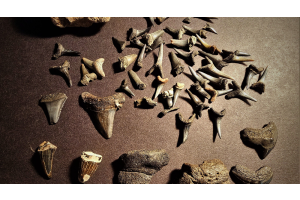
Buying a Megalodon tooth feels like buying a real piece of prehistory. It’s exciting, a little surprising, and—if you’re new to fossils—sometimes confusing. You might see two teeth that look almost the same size, but one costs much more. That’s not random. In most cases, the difference comes down to one simple thing: condition. The condition is basically the tooth’s “overall health.” Because these teeth are fossils, they’ve spent millions of years being moved by water, rolled in sand, and pressed under layers of earth. Let’s learn what condition means in plain language, what to notice in photos, and how to choose a tooth confidently—especially when you’re browsing megalodon teeth for sale.
What Condition Really Means
When fossil sellers talk about condition, they’re usually describing two things at once: how complete the tooth is and how good it looks. A tooth in better condition will have more of its original parts intact and will look more “whole” to the eye. A tooth in lower condition may still be a real Megalodon tooth, but it might have chips, cracks, worn edges, or missing sections. This doesn’t make it “bad.” It just changes what kind of buyer it’s best for. Some people want a showpiece that looks museum-ready. Others want a real fossil at a lower price, even if it has a few battle scars.
The Parts That Most Affect Condition
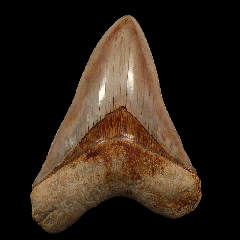
First, look at the tip. A clean, pointy tip instantly makes a tooth look stronger and more impressive. If the tip is chipped or missing, the tooth often costs less, because the tip is one of the first parts to break during fossilization or recovery. Tip wear is common, but it still changes the look. Next, pay attention to the crown, which is the main front part of the tooth. This area is often covered in enamel, and enamel that looks smooth and continuous usually feels more “high grade.” If the enamel has deep scratches, rough patches, or missing sections, the tooth may be graded lower and priced accordingly. Many reputable sellers will show clear close-up photos so you can judge the crown without guessing.
Then check the edges. Megalodon teeth often have serrations—tiny saw-like bumps along the sides. When those serrations are visible, it adds a lot of character and collector appeal. When edges are worn smooth, the tooth may look less dramatic, even though it’s still authentic. Again, it’s not about right or wrong—just what you prefer and what you’re willing to pay.
Why Condition Changes the Price So Much
Here’s the simple reason: better conditions are harder to find. Lots of Megalodon teeth exist, but fewer survive with a sharp tip, clean enamel, clear edges, and a solid root all at once. That combination takes luck—both in how the tooth fossilized and how it was recovered. That’s why two teeth of similar size can have very different price tags. Size matters, but condition often matters more because it affects rarity and demand. When you compare megalodon teeth for sale, a higher-priced tooth is often priced that way because it has fewer flaws and stronger display value.
What About Repairs or Restoration?
Sometimes fossil teeth are stabilized or lightly restored. This can mean reinforcing a weak area, filling a crack, or repairing a small chip to prevent further damage. Restoration isn’t automatically a problem, but it should always be clearly explained. A reliable fossil seller will be transparent about what was done and will provide photos that help you understand exactly what you’re buying. This is one reason many buyers prefer specialized fossil shops. When listings include detailed descriptions and clear images, you can judge condition comfortably instead of taking a risky guess.
Choosing the Right Tooth for You
The “best” tooth depends on your goal. If you want a bold display piece, aim for a strong overall condition: a sharp tip, a clean crown, visible edge detail, and a solid root. If you’re buying your first tooth or staying on a budget, minor chips or worn areas can be a smart way to own a real fossil without paying premium prices. Condition isn’t a pass-or-fail test—it’s a guide that helps you match the tooth to your style and budget. And if you’re shopping from a trusted source with clear photos and honest notes, it becomes much easier to pick confidently from the available megalodon teeth for sale.
Conclusion
Condition matters because it affects everything that makes a Megalodon tooth exciting: how it looks, how rare it is, and how much it’s worth. Once you know what to check—the tip, crown, edges, and root—you can understand pricing faster and choose a tooth you’ll be happy with for years. If you want the smoothest buying experience, look for listings that show clear close-ups and provide straightforward descriptions of wear, cracks, or any repairs.