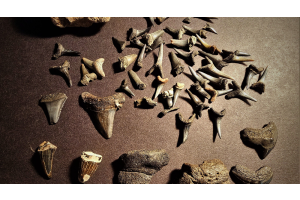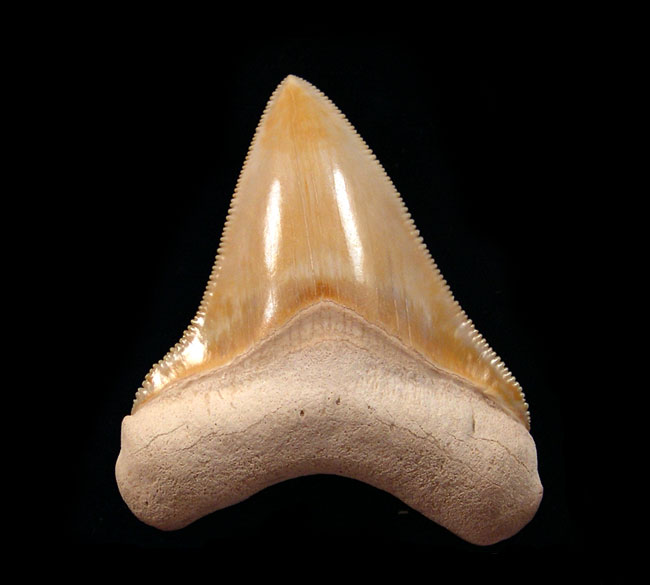
Collectors often pay a premium for a Megalodon tooth from Bone Valley because it offers far more than just size or age. These fossils bring together visual quality, rarity, and documented origin. Buyers who understand the fossil market know what to look for, and Bone Valley continues to deliver exactly that. Unlike generic or untraceable shark teeth, Bone Valley specimens stand out with their distinct preservation, appealing colors, and market trust. For both new and seasoned collectors, these teeth represent reliable, authentic pieces with clear paleontological value.
What Makes a Megalodon Tooth from Bone Valley Stand Out in Quality?
Fossils recovered from Bone Valley do not follow the same path as those found in rivers or dredged from the seafloor. This region offers a geological formation where ancient marine remains settled into phosphate-rich layers. Over millions of years, the natural sediment acted as a shield, protecting these fossils from erosion and outside damage. The result is a tooth that retains key anatomical details. When collectors seek a fossil with sharp serrations, a smooth root, and accurate color, Bone Valley earns their attention through consistency and condition.
Preserved Features That Add Market Value
Collectors evaluate fossils based on specific physical traits. Bone Valley teeth frequently match or exceed those benchmarks. Many buyers prioritize structure, surface, and coloration. This region supports all three due to its stable environmental history.
Here are the qualities that increase collector demand:
● Roots that remain intact without signs of repair.
● Enamel that shows natural texture with minimal flaking.
● Serrated edges that run cleanly from base to tip.
These features reflect not just age but preservation. That preservation builds confidence in buyers who want their fossil to tell an authentic story.
Supply Decrease Adds Pressure to the Market
Bone Valley fossils come from a known and limited area. Most were found during older phosphate mining operations, which enabled significant fossil fuel recoveries at the time. Today, that source has slowed. Fewer operations run in those zones, and new fossil finds rarely match the size or frequency of earlier decades. This limited availability makes every specimen more valuable. Once a well-preserved tooth reaches the market, collectors act quickly. They know opportunities to find another may not come soon. In such a focused segment, scarcity directly affects price.
Visual Appeal Sets These Teeth Apart
Bone Valley Megalodon teeth offer distinct appearance traits. These fossils frequently display shades of light brown, orange, or even muted pastel tones. Those colors come from the mineral composition in the soil that surrounded the fossils over time. Buyers see these tones as signs of region-specific authenticity. No artificial polish or treatment can fully copy this natural finish. In addition to color, collectors examine symmetry. A Bone Valley tooth often shows a centered tip, balanced sides, and a complete root span. These details contribute to its display value and make it more desirable in any collection.
Authenticity Plays a Major Role in Purchase Confidence
Bone Valley teeth come with a traceable context. Their origin often ties back to known sediment layers or established mining grounds. That traceability means a buyer does not need to rely solely on seller claims. When purchasing a Megalodon tooth from Bone Valley, they receive a fossil with a clear backstory supported by geological consistency. This level of confidence influences how collectors choose between two similar-looking fossils. One may appear fine but lack regional proof, while the other comes from Bone Valley with a strong origin record. In nearly every case, buyers place more value on the latter.
Market Experts Recognize Regional Traits
Collectors and fossil dealers alike notice that Bone Valley consistently produces standout fossils. Dan Keller, who has worked with marine fossils for more than a decade, stated in 2022, “Bone Valley teeth just carry themselves differently. You spot the finish and the form right away.” That kind of recognition holds weight in the collector community. It creates standards for comparison and gives newer buyers a way to measure quality without needing years of experience. When a region earns this level of respect, pricing naturally follows.
Common Myths Do Not Reflect the Full Picture
Myth: A bigger tooth always equals a higher value.
Fact: Condition, source, and integrity matter more than size alone.
Many buyers make the mistake of chasing large teeth while ignoring the quality that truly defines fossil worth. Bone Valley shows that a medium-sized tooth with complete structure and visible features can easily outperform a larger, damaged specimen. This shift in buyer focus strengthens the case for investing in fossils from known locations with a track record of preservation and presentation.
Traits to Check Before Committing to a Purchase
A collector should never rush into a fossil investment. Even experienced buyers take time to review the physical and contextual details of a tooth. Bone Valley listings often provide the clarity buyers want, which improves their decision-making process.
Look for these signs in a legitimate specimen:
● Clear documentation of region or recovery conditions.
● Close-up images showing both sides and enamel details.
● Seller transparency about restoration or past handling.
These indicators show that the fossil holds both visual and historical strength. Teeth that meet these standards often come from Bone Valley and carry lasting collector value.
Bone Valley Remains a Leading Name Among Collectors
This region’s fossils continue to outperform many others in the same category. Collectors see Bone Valley as a dependable source for Megalodon teeth that reflect both natural history and long-term value. The formation’s limited access makes each specimen feel more exclusive, while its preservation quality builds real-world demand. Buyers see that. They understand what makes these fossils special and make their choices based on confidence, not guesswork. That type of decision-making keeps the region relevant and its specimens priced higher than most comparable finds.
Final Thought
People do not pay more for a Megalodon tooth from Bone Valley without reason. They see the region’s track record, inspect the fossil’s condition, and recognize the lasting value of owning something authentic. Whether buying for a private collection, a teaching purpose, or personal interest, these fossils speak clearly through their structure, color, and origin. Bone Valley does not just deliver another Megalodon tooth. It offers a specimen with character and credibility, and that’s precisely what collectors seek.
FAQs
1. What makes the geological formation of Bone Valley so unique compared to other fossil sites?
The Bone Valley region in central Florida is a world-renowned fossil deposit characterized by its massive, prehistoric phosphate beds. Millions of years ago, a shallow marine environment trapped retreating ocean waters, creating a dense concentration of marine life, land mammals, sand, and mineral-rich sediment. This highly specific chemical matrix allowed for a slow, gentle fossilization process that shielded fragile specimens from destructive geological forces.
2. Why do these specific teeth showcase such a wide variety of bright colors?
The breathtaking colors found in these fossils are a direct result of the unique minerals present in the local phosphate matrix. Over millions of years, the shark enamel absorbed distinct combinations of iron, silica, quartz, manganese, and sulfur. This mineralization process replaces the organic matter with rich, vibrant shades like sky blue, ash gray, creamy white, amber orange, and olive green instead of the uniform dark tones seen in river-bottom finds.
3. How can a collector verify that a fossil tooth is truly from the Bone Valley region?
Provenance and physical characteristics are the primary ways to verify these specimens. True Bone Valley teeth display a highly recognizable glass-like enamel luster, distinct color variations, specific root densities, and a lack of the heavy river tumbling scars or marine boring organism marks common in ocean-salvaged teeth. Buying from a trusted supplier like Buried Treasure Fossils ensures you receive accurate locality data, transparent history, and a lifetime guarantee of authenticity.
4. Are larger teeth from this location significantly harder to find for sale?
Yes, size makes an enormous difference in scarcity due to the nature of the local geology and mining processes. While small teeth from ancient nursery sharks are occasionally recovered, large specimens measuring over five inches are exceptionally rare. The heavy machinery used in commercial phosphate operations often breaks large fossils during extraction, making complete, oversized teeth a prize that commands a steep premium among serious collectors.
5. What specific criteria determine the overall grading and value of a shark tooth?
Evaluating a high-end fossil involves checking multiple condition points to establish its final grade. Experts look closely at the sharpness of the serrations, the completeness of the root lobes, the preservation of the delicate bourlette, the lack of modern feeding damage, and the absence of any artificial restoration. A completely natural tooth with zero repair work will always hold the highest value and long-term investment potential.
6. Is this specific category of fossils a good choice for someone just starting a collection?
Absolutely, because these specimens offer an incredible introduction to the hobby due to their vivid aesthetics and fascinating geological history. Smaller, highly affordable teeth allow beginners, young children, and casual enthusiasts to own an authentic piece of earth's history without a massive financial investment. Starting with these colorful fossils often sparks a lifelong passion for paleontology, evolution, and natural history museum curation.