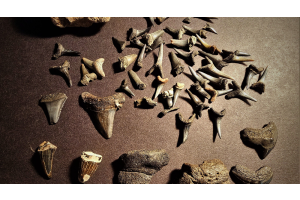
Collectors keep chasing this fossil for one simple reason. It combines rarity, strong preservation, and a famous origin in a way few specimens can match. In recent years, fewer confirmed pieces have entered the market, and buyers have started to notice the change. The Lee Creek phosphate mine in Aurora once supplied these finds, but restricted access now stops any new recovery. That reality affects collectors, educators, and anyone who cares about verified fossils, especially when the tooth of Aurora Megalodon appears for sale. What once circulated through trusted fossil channels now shows up as a limited legacy piece, which explains why serious collectors move fast when a genuine specimen surfaces.
Why Does The Tooth of Aurora Megalodon Start With Scarcity at The Source?
Aurora Megalodon teeth come from a specific region in North Carolina where the prehistoric predator once roamed ancient seas. The Lee Creek mine became known for producing world-class fossils from the Miocene and Pliocene epochs. Over the years, fossil hunters uncovered well-preserved Megalodon teeth with exceptional features. The site's unique environment, including its mineral composition, enabled strong preservation. However, that site no longer offers public access. No new material emerges from that area. As a result, the market relies entirely on existing collections, and those are not being replenished.
Fossil Traits That Set These Teeth Apart
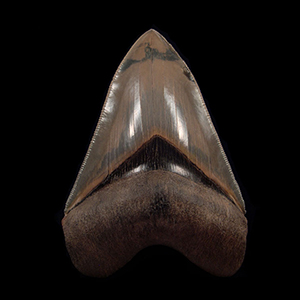
Not all Megalodon teeth share the same features. Aurora specimens display certain traits that collectors can recognize at a glance. These teeth often show a rich gray or bluish enamel, a broad and intact root, and sharply defined serrations. The structure and condition reflect the conditions under which they fossilized. Many of these teeth remain largely undamaged and show less erosion than similar fossils found elsewhere. Their sharpness, color, and form make them stand out. That is why those familiar with fossil quality rank Aurora teeth among the finest available.
Lee Creek’s Role in Fossil History
For years, the Lee Creek mine was a prime site for fossil discoveries. Collectors and paleontology enthusiasts visited the site during its open periods and recovered a wide range of marine fossils. Most valuable among these finds were the teeth of the prehistoric Megalodon shark. These fossils told stories of a powerful predator that ruled ancient oceans. The surrounding area preserved these teeth in near-perfect condition, offering a glimpse into a time that predates human history by millions of years. Once the site closed to fossil hunting, its historical importance only grew.
Collector Behavior Reflects the Market Shift
Collectors now treat these fossils differently than they once did. With no new discoveries coming from the original site, those who already possess a tooth of Aurora Megalodon rarely consider parting with it. Instead of viewing it as a tradable item, most see it as a permanent part of their collection. When an authentic specimen does appear for sale, interest builds quickly and offers follow soon after. This urgency reflects market awareness. Seasoned collectors recognize the shift and act fast, knowing that each available piece could represent the final chance to secure one for years to come.
Key Features Buyers Seek Today
Experienced buyers know how to evaluate fossils, especially ones from a well-known site like Lee Creek. Aurora Megalodon teeth typically present several recognizable features that help confirm authenticity. These include:
● Strong enamel with gray or blue tones unique to the site.
● A wide triangular shape with minimal root damage.
● Sharp serrations along both sides of the tooth.
● Historical context connecting the specimen to previous Lee Creek discoveries.
Buyers often request documentation or origin records to ensure the tooth truly comes from Aurora. When a specimen meets these criteria, its desirability increases significantly among both casual buyers and seasoned fossil investors.
Scientific and Educational Importance
These teeth do more than represent rare collector items. They also carry real value for researchers and educators. A tooth from Aurora helps paleontologists study predator behavior, environmental changes, and fossilization processes. Because preservation is better than average, scientists can observe finer details, such as feeding damage, growth lines, and mineral transformations. In classrooms, these fossils offer students a physical connection to marine life from a time long before humans appeared. Museum curators and educational institutions often compete for high-quality Aurora specimens, adding another layer of demand to an already limited market.
Common Misunderstandings About Aurora Teeth
Some confusion still surrounds the current state of the fossil market, especially regarding the availability of Aurora Megalodon teeth. Let’s clarify a few points:
Myth
You can still dig for Megalodon teeth at Lee Creek.
Fact
The site remains closed to the public, and fossil hunting is not allowed. All current fossils come from earlier permitted digs or long-held collections.
Myth
Aurora teeth look the same as those from other Megalodon sites.
Fact
Aurora teeth feature distinct colors, preservation patterns, and root structures not typically found in fossils from other regions.
Myth
Prices will drop once more fossils reach the market.
Fact
No new supply is expected. As awareness grows, prices will likely reflect the rarity and historic value of these fossils.
How to Spot a Genuine Aurora Tooth?
Collectors should approach each purchase with a clear understanding of what defines an Aurora tooth. Most importantly, they should look at the condition, color, and origin. Aurora fossils usually have a dense, mineral appearance, with smooth enamel and sharp edges. If the tooth shows uneven coloring, extensive erosion, or lacks confirmed provenance, it likely did not come from Lee Creek. Verified Aurora fossils often include documentation or background from known sellers who specialize in historic marine specimens. These details help protect buyers from confusion and ensure that what they acquire is both valuable and authentic.
Final Words
The fossil market continues to shift as availability drops and demand rises. Many collectors have already placed their finds into long-term holdings, making it harder for new buyers to secure a tooth of Aurora Megalodon when one does appear. Sellers, recognizing the increased interest, now approach each sale with greater caution. Opportunities to purchase a verified specimen have become rare, and this trend shows no signs of slowing. If you hope to acquire a fossil with scientific and historical weight, staying alert is essential. The next chance may take months to arrive, and hesitation could mean missing out entirely.