

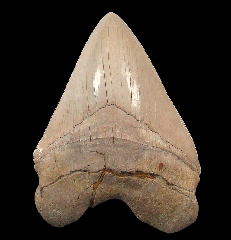
Finding what looks like a megalodon tooth on the shore of North Myrtle Beach creates instant excitement. It feels like holding a piece of history in your hand. But one question hits fast. How do you know if it is real? Not every large triangular object in the sand belongs to the extinct giant. When someone claims a megalodon tooth found in North Myrtle Beach, the discovery deserves a closer look, not just a quick celebration. Many beach finds resemble fossil teeth but miss key signs of authenticity. To avoid confusion, you need to learn the features that separate genuine megalodon teeth from common lookalikes. This guide walks you through every critical detail with clarity and purpose.
How Can You Confirm If a Megalodon Tooth Found in North Myrtle Beach Is Real?
A real megalodon tooth follows a specific pattern in size, shape, texture, and color. Most genuine specimens measure between 4 and 6 inches in length. Their triangular shape appears wide and strong, never thin or narrow. Edges carry visible serrations, though time may have worn some down. A solid root holds the crown in balance, and the entire tooth feels dense when you lift it. Texture plays a key role. Fossilized teeth feel smooth and mineral-rich, with no chalky surface. You should not see glossy finishes or machine marks. These traits provide the first clues in recognizing the real thing.
Why North Myrtle Beach Becomes a Fossil Hotspot?
North Myrtle Beach holds a quiet reputation among fossil enthusiasts. Over time, coastal waters shift sand, sediment, and shells. This movement occasionally exposes marine fossils. Storms play a strong role by disturbing deeper layers of the Earth. After rough weather, many collectors walk the beaches with hope. Erosion also helps. Areas with strong water flow or nearby inlets tend to bring hidden items closer to the surface. Although genuine discoveries remain rare, this beach gives the right natural conditions for those seeking marine fossils. That makes it a place of interest for collectors, families, and curious beachcombers alike.
Common Mistakes Made by New Fossil Seekers
Many people confuse other natural objects with fossil shark teeth. Some broken seashells take on a triangular shape. Stingray barbs or fish bones can mimic the sharp edges of teeth. Beach rocks smoothed by waves might look like teeth at first glance. Tourist shops sometimes sell fake megalodon fossils. These replicas often show polish or mold lines. When you pick up a potential find, take a close look. Check for these signs:
● A surface that feels too smooth or shiny without natural texture.
● Lightweight pieces that do not carry mineral density.
● Shapes that lack serration or show unnatural patterns.
These points help you avoid false assumptions.
Time and Environment Influence the Quality of Fossil Finds
A megalodon tooth found in North Myrtle Beach may seem like a rare and exciting discovery, but its appearance alone does not confirm its authenticity. Genuine megalodon teeth come from deep sediment layers that remained buried for millions of years. During fossilization, minerals slowly replace the original material, giving the tooth its stone-like weight and resilience. If the specimen feels light or brittle, it likely lacks the mineral density of a true fossil. While black or brown shades appear often, those colors reflect the surrounding sediment, not the age. Authentic fossils reveal their history through weight, texture, and natural wear.
Best Practices for Beach Fossil Hunting
To improve your chances of finding something real, approach the process with awareness and preparation. Choose the right time to search. Early mornings after strong weather conditions offer the best exposure. Low tide uncovers more shoreline and reduces wave interference. Focus your search on inlets, sandbars, and areas where water has recently shifted the sand. When you scan the ground, walk slowly and train your eye to look for unnatural shapes among the natural debris. Fossil hunters who stay consistent often develop the ability to spot potential finds quickly. Follow these steps:
● Search during low tide for better visibility.
● Bring a small hand sifter or use your hands to check deeper spots.
● Avoid rushing and stay alert for any contrast in color or shape.
Patience plays a vital role in successful fossil exploration.
Clear Facts Dispel Popular Fossil Myths
|
Myths |
Facts |
|
Larger size means guaranteed authenticity. |
Other sharks also had big teeth that look similar. |
|
Dark color confirms fossil status. |
Sediment minerals affect color, not just age. |
|
Real megalodon teeth always look sharp. |
Natural wear removes serrations over time. |
|
Spotting a fake comes easily. |
Skilled replicas often fool the untrained eye. |
By knowing these truths, you protect yourself from misjudgment and avoid costly mistakes in collecting or identifying fossils.
Buying a Verified Specimen Offers Certainty
If you want to own a megalodon tooth with complete confidence, choosing a verified fossil assures you. Verified specimens undergo inspection for age, location of origin, and fossil integrity. You receive the benefit of expert evaluation and remove all doubt about authenticity. This approach suits both beginners and long-time collectors. It allows you to hold a piece of prehistoric life without second-guessing. Whether you plan to give it, study it, or display it, a verified tooth brings both scientific and personal value. For many, that certainty makes the experience more rewarding.
Final Thoughts for Those Drawn to Prehistoric Discovery
The experience of spotting a potential megalodon tooth found in North Myrtle Beach brings both excitement and questions. Curiosity leads many to explore the beach with a new purpose. With patience and knowledge, anyone can learn to identify genuine fossils. Whether your goal is to find one on your own or choose a specimen already verified, understanding the markers of authenticity helps you connect more deeply with history. Every fossil tells a story. When you know how to read it, the discovery becomes more than an object. It becomes a window into time.






