

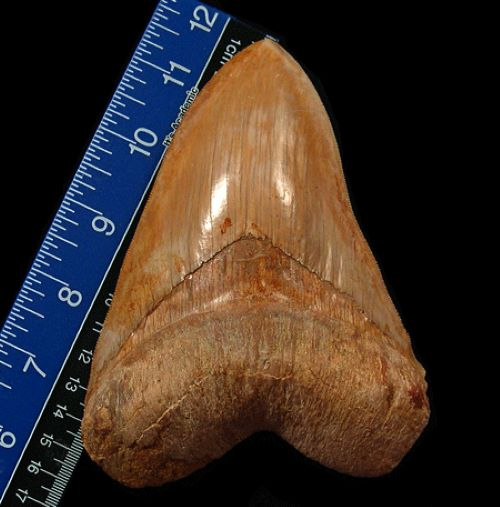
The most prominent megalodon teeth can reach over seven inches in length. Most megalodon teeth fall between three and five inches. Still, teeth that grow beyond six inches are rare and intriguing to collectors and science learners. Many people ask how big a megalodon tooth can get because they want clear facts and real examples. This guide explains everything you need to know about tooth size, how experts measure them, what makes a tooth rare, and how to recognize a specimen that stands out from the rest.
What Determines How Big a Megalodon Tooth Can Get and Why It Varies?
Megalodon teeth come in many sizes because of where they sit in the shark's jaw and how they develop during the life of the shark. Front teeth tend to be narrower and shorter, while side teeth tend to grow broader and larger. Older sharks usually produce larger teeth over time because they develop new teeth as they age. Teeth found in sediment layers have survived millions of years and preserved their shape through pressure and mineral changes in the ground. A tooth that measures five inches already shows the power and scale of this animal. Still, teeth over six inches draw serious attention.
How Experts Measure Tooth Size Correctly
Collectors and researchers measure the longest diagonal length from the tip of the crown down to the bottom of the root. This method gives a fair and consistent comparison across different specimens. Some descriptions try to inflate the measurement by including broken pieces or unclear angles. That practice creates confusion and misleads buyers and learners seeking accurate information. When you check a measurement, always use the diagonal from tip to root. That measurement tells you the proper size and helps you understand how it compares to other finds.
Features That Make Large Teeth Rare and Valuable
Size alone does not determine rarity or value. A significant tooth gains more interest when it also shows strong shape, full serrations on both cutting edges, and solid root preservation. Collectors look for teeth with minimal damage and precise detail. Color also creates interest. Fossilization in different environments may produce darker or more colorful tones based on local soil chemistry. A large tooth with vibrant color and intact serration edges stands out in display and study. When a tooth carries these features and measures over six inches, seasoned collectors understand it offers both historical significance and aesthetic appeal.
Size Versus Condition in Evaluating Value
A five-point-seven-inch tooth with intact structure often proves more attractive than a six-point-two-inch tooth with cracks or missing pieces. Buyers and enthusiasts know that condition matters as much as size. That insight comes from years of handling many specimens and seeing how details hold up over time. Sharp serrations and solid enamel create interest by showing what the tooth looked like when it was still part of a living shark. Broken roots and worn areas offer learning opportunities but lack the same appeal to collectors seeking specimens for personal display or long-term study.
Quick Facts That Clarify Confusion
Most people hear stories about huge megalodon teeth and assume they appear frequently. The truth is far from that belief. Only a small number of recovered teeth exceed 6 inches in accurate diagonal measurement, which answers a significant part of the question of how big a megalodon tooth can get in real, verified terms. Teeth that measure closer to seven inches remain very rare finds. Another common idea is that larger teeth always came from larger sharks. Position in the jaw influences size significantly, so a larger tooth does not automatically tell you the exact length of the shark. The fundamental insight comes from combining tooth size with jaw position and geological information.
Practical Tips for Spotting Great Specimens
Experienced collectors follow specific steps when they evaluate a tooth offer. First, they check the diagonal measurement method and confirm it reflects the largest dimension of the crown to the root. Second, they look at the serration edges for clarity and consistency. Third, they note the root form and symmetry. A crooked or incomplete root reduces a tooth’s appeal in study and display. Fourth, they consider color and texture because unique tones often reflect fascinating fossilization history. Finally, they compare similar specimens from the same region to judge whether a find stands out. These steps help both new and seasoned fossil lovers make confident decisions.
Visualizing Tooth Size in Everyday Terms
It helps to compare a large fossil to something familiar in size. A five-inch tooth stands about as tall as the length of a palm. A seven-inch tooth rises toward the length of a standard writing instrument. Those comparisons help learners and readers form mental pictures, making the size more straightforward to understand. When you hold or view a larger specimen, the scale of the animal becomes more real. That clear connection blends science with curiosity and shows why so many people remain fascinated by these ancient sharks.
How Tooth Size Supports Scientific Insight?
Paleontologists use tooth size to form educated estimates about the size and life of the megalodon. The theory that every inch of tooth equals about ten feet of shark length makes it easier to imagine how vast these animals might have grown. A tooth that measures seven inches suggests a shark that may have grown around seventy feet long. These numbers remain general estimates, but they help researchers and students build models of ancient life and predator behavior. Learning these patterns makes the teeth more than fossils. They become tools for understanding deep time.
What to Expect When You Explore Collections?
When you browse fossil collections or exhibits, remember that each tooth carries its own story. You will see common teeth and rare ones. You will notice differences in shape, size, and color that reflect where and how they were preserved. A five-inch tooth may show one type of detail, while a six-point-two-inch tooth shows another. Learning how these differences matter deepens your appreciation. If you ever decide to build your own collection, this understanding becomes invaluable. It guides you toward choices that suit your interests and budget.
Final Thoughts on Size and Rarity
Understanding how big a megalodon tooth can get goes beyond simple measurement. It becomes a window into ancient oceans, shark behavior, and the preservation of fossils over millions of years. While most megalodon teeth measure under six inches in length, the rare teeth that grow over six inches with intact features create excitement and draw attention. Whether you study these fossils for education, curiosity, or display, knowing how to evaluate size and condition gives you confidence. Larger teeth may draw the eye, but careful inspection reveals true quality and lasting value.






