

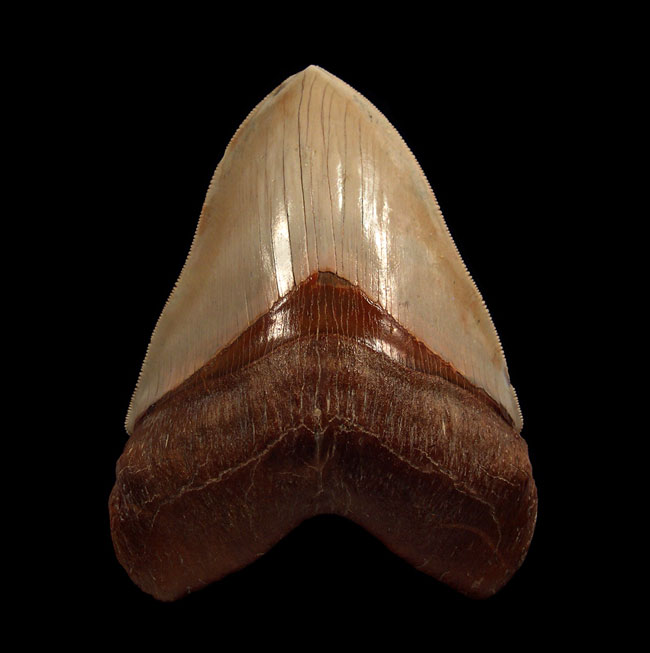
The fossil discovered in Chile’s coastal sediment layers measures an extraordinary 7.48 inches, making it one of the largest shark teeth ever recorded. What sets it apart is not just its impressive length but its exceptional preservation, geological significance, and the insights it offers into the life of ancient marine predators. The world’s biggest Megalodon tooth found in this region has sparked interest among collectors, researchers, and fossil enthusiasts alike. More than a remarkable specimen, this discovery reveals the true scale, hunting behavior, and wide reach of a shark species that once dominated prehistoric oceans.
What Makes the world’s biggest Megalodon tooth found in Chile so significant?
Fossil experts consider any Megalodon tooth over six inches a rare find. Most teeth recovered from fossil beds measure between four and six inches, making a tooth over seven inches extremely uncommon. The 7.48-inch tooth found in Chile does not just break records. It offers direct evidence of the incredible size this species could reach. Unlike many large fossils that are eroded or incompletely formed, this tooth shows an intact root, fully serrated cusps, and natural enamel coloration. These features show that the fossil remained well protected in stable rock conditions.
Collectors value teeth like this not just for display, but for what they reveal about the Megalodon’s biology. The anatomy of this specimen tells researchers where in the jaw it came from and how the shark might have used it for hunting. Teeth in this condition serve both educational and collector value, offering proof of the Megalodon’s dominance in prehistoric oceans.
Chile’s Marine Fossil Landscape
Chile has quietly become one of the most notable regions for marine fossil discoveries. Along its coastal cliffs and sediment formations, fossil hunters often uncover remnants of ancient sea life. Over millions of years, layers of rock and silt preserved these remains in near-pristine condition. The dry climate and coastal geography create ideal conditions for fossil preservation. These factors combined to shield this particular Megalodon tooth, preserving its features without significant wear or degradation.
In recent years, more documented finds have surfaced from this region. The discovery of this massive tooth only strengthens Chile’s standing as a key location in the global fossil landscape. It also confirms that the Megalodon once hunted in waters along this coastline, expanding what we previously understood about the shark’s range.
Physical Features That Set This Tooth Apart
The tooth’s extraordinary size is only part of what makes it so valuable. Multiple other features combine to elevate its importance:
● The serrated edges remain sharp and clearly visible, a detail that reveals feeding mechanics and prey behavior.
● Its root structure is complete and stable, providing balance and scientific reliability when estimating jaw placement.
● The natural enamel maintains a consistent color, confirming limited environmental disruption before recovery.
● There is no visible restoration or repair, adding to the fossil’s authenticity and appeal.
These physical traits matter not just to collectors but also to scientists. Each mark, groove, and curve reveals more about the tooth’s role and condition when the shark was alive.
How This Discovery Supports Research?
Paleontologists use exceptional finds like this to build accurate models of Megalodon anatomy. The measurements of this tooth suggest that the shark it came from likely reached or exceeded sixty feet in length. That puts the specimen among the largest individual sharks known in the fossil record. Researchers also study the tooth’s curvature, position, and wear to conclude bite force, feeding strategies, and jaw structure.
When scientists have access to fossils this complete, they can update theories about the Megalodon’s migration, diet, and regional adaptations. This particular find supports the idea that Megalodon thrived in various climates and had a much wider range than once assumed.
Documentation Increases Fossil Value
Documentation often separates ordinary fossils from those that carry lasting value. In the case of the world’s biggest Megalodon tooth, records detailing its depth, exact location, and surrounding sediment add layers of credibility. When a fossil includes this level of information, it moves beyond curiosity and becomes a scientifically valuable specimen. Collectors and researchers place greater trust in fossils with traceable origins. Without proper documentation, even the largest teeth may struggle to earn recognition. What makes this Chilean discovery stand out is not just its size but the complete context that confirms its place in prehistoric history.
Common Misunderstandings About Large Megalodon Teeth
|
Myths |
Facts |
|
Larger teeth always come from larger sharks. |
Tooth position affects size. Some smaller sharks may produce larger teeth depending on jaw placement. |
|
All seven-inch Megalodon teeth are equal in value. |
Value depends on condition, documentation, and completeness. |
|
Big teeth automatically hold scientific value. |
Only well-documented fossils support research and classification. |
Collector Demand Continues to Rise
Collectors pay close attention to fossil discoveries that include complete records, scientific context, and physical integrity. This Megalodon tooth from Chile meets all of those criteria. As a result, it has influenced fossil demand in two key ways:
● It set a new benchmark for what serious buyers now expect in premium-grade Megalodon teeth.
● It directed more interest toward South American fossil sources, especially Chile, which has seen an uptick in collector activity.
The fossil market responds quickly to verified finds. This tooth did not just raise curiosity. It raised the standard.
Why Does This Find Matters Beyond Its Size?
Size draws attention, but other factors determine long-term significance. This tooth shows that Megalodon lived in or near Chilean waters, which adds detail to maps of prehistoric migration. Its condition and documentation make it worthwhile for museum exhibits, academic reference, and serious collecting.
It tells us that natural forces preserved this fossil over millions of years, and human effort uncovered it in a way that respected its value. From that process, we gain not only a physical object but a fuller understanding of the ancient ocean and the giant predators that once lived there.
Final Thoughts on a Record-Setting Discovery
The world’s biggest Megalodon tooth, found in Chile, remains one of the most talked-about fossil finds in marine paleontology. Its features, discovery process, and scientific value make it more than just a collectible item. It has earned its place as a reference for both research and fossil evaluation. This tooth stands as proof that the Megalodon’s legacy continues to unfold with each discovery. For readers, collectors, and enthusiasts alike, it offers a rare look into the scale and reality of one of history’s most legendary marine predators.






