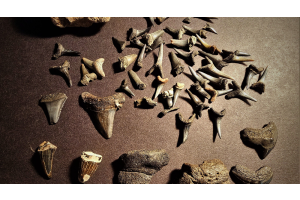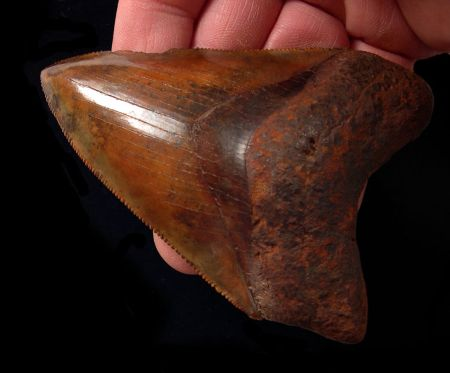
Fossil collectors and history enthusiasts recognize the unique value of a megalodon tooth found in North Carolina. These river-sourced fossils stand out for their copper-red enamel, exceptional preservation, and traceable freshwater origin. Divers uncover them through hands-on methods, adding another layer of value. The rivers here cut through marine fossil beds that date back millions of years. Over time, these waterways reveal ancient remains of one of the ocean’s most powerful predators. For those who search, collect, or admire prehistoric relics, these teeth hold more than beauty. They represent time, place, and a rare link to the past.
Where Can You Find a Megalodon Tooth Found in North Carolina Rivers Today?
North Carolina’s rivers pass through coastal plains rich in fossil-bearing layers. These layers once sat beneath warm prehistoric seas that supported an enormous variety of marine life. As rivers flow, they uncover and release fossils that have lain beneath the surface for millions of years. Fossil hunters and divers return to these locations season after season because the river continues to move and shift the sediment. Each storm, flood, or natural change can reveal new material. These rivers do not just hold fossils. They actively give them up to those who know where and how to look.
Defining Features of River-Recovered Megalodon Teeth
Megalodon teeth from this region stand out for more than just their size. Most collectors notice the color first. A copper-red hue coats many of these teeth, caused by iron minerals in the sediment. That rich coloring forms naturally over time, and no artificial process can replicate it. Beyond color, these teeth often retain their full shape. Freshwater protects the enamel from the wear seen in oceanic finds. Many teeth still show sharp serrations and a complete root structure. That level of preservation raises both scientific and market interest in the specimens.
Key traits include:
● Deep copper-red coloration that forms naturally from iron deposits.
● Sharp serrations that highlight their cutting function in prehistoric feeding.
● Solid root structure that increases both stability and display appeal.
● Minimal restoration needed due to soft freshwater sediment and gentle exposure.
Collectors seek out these specific features because they speak to both the tooth’s natural history and its value in a private or public collection.
Divers Play a Central Role in Fossil Recovery
Diving for fossils in North Carolina rivers requires patience, skill, and local knowledge. Divers work in shallow but murky water where visibility often drops to zero. Using their hands, they move through sand and gravel to feel for the smooth surface or pointed edges of fossilized teeth. This hands-on method preserves the fossil’s integrity. Divers rely on experience rather than equipment. That effort shows in the final product. Each tooth holds a recovery story that adds depth to its appeal. Buyers respect that process and often prefer a tooth pulled from the river by hand over one extracted mechanically.
Why Buyers Connect With These Fossils
Buyers appreciate more than the fossil's physical traits. They connect with what the tooth represents. Collectors want condition and origin. Educators wish to use visual tools that spark interest. Parents want to give meaningful gifts that inspire curiosity. Casual shoppers look for something rare and personal. A megalodon tooth found in North Carolina offers all of that and more. North Carolina’s river teeth meet all these needs. The natural coloring attracts the eye. The story of recovery captures the imagination. And the confirmed location builds trust in the fossil’s authenticity. These factors come together to create a fossil that does more than sit on a shelf. It speaks to a moment in natural history and invites others to learn from it.
Clarifying Common Fossil Misunderstandings
Myth
Only larger megalodon teeth from deep-sea locations hold real value.
Fact
Collectors often prefer smaller, but better-preserved river finds that hold original features and visible structure.
Myth
A megalodon tooth looks the same no matter where it comes from.
Fact
River finds from North Carolina show distinct coloring, sharper details, and cleaner form due to their freshwater exposure.
Fossils That Support Learning and Discovery
Megalodon teeth from North Carolina not only attract collectors but also spark interest in the state's history. Schools, science centers, and museums also use them to explain Earth’s prehistoric periods. These teeth allow people to interact with history in a way that books or digital models cannot match. Holding one brings context to the creature’s size, strength, and dominance in its era. Students can trace the serrations and feel the weight of a predator that ruled the ancient seas. The freshness of these river finds ensures that the tooth still carries the physical qualities needed for accurate educational use. That makes them valuable not just in price but in purpose.
Continued Interest in This Region’s Fossils
We focus on teeth found in North Carolina rivers because they meet the highest expectations of condition, appearance, and origin. Each one brings something unique. Whether through its shape, its coloration, or the story behind how it was found, the tooth represents a clean connection to a time long gone. We select each fossil with care, ensuring that the structure, enamel, and root remain intact. These fossils reflect the region’s rich past and ongoing potential for discovery. They offer collectors a way to own something meaningful, rare, and grounded in natural history.
What to Look For in Your Next Find?
If you seek a fossil that offers more than a visual impact, focus on river finds from this region. Look for teeth that retain their edges, show intense natural color, and carry evidence of careful recovery. Ask where the fossil came from. Confirm that the condition reflects the natural exposure of a river environment, not restoration. When you understand what makes these teeth valuable, you learn to recognize pieces that offer long-term significance. The right fossil gives you more than display value. It provides you with a way to connect with the ancient world through a physical object with real presence.
Final Thoughts on Fossils With Lasting Value
A megalodon tooth found in North Carolina carries more than age. It shows color formed by natural elements, shape preserved by gentle sediment, and context rooted in a specific landscape. Collectors, educators, and explorers keep returning to these rivers because they produce fossils that reflect care, story, and quality. Whether you collect for study or appreciation, these teeth remain among the most admired fossil finds available. They continue to inspire curiosity and reward those who value authenticity over mass production. Their worth lies in how they were formed, how they were recovered, and what they continue to reveal.