

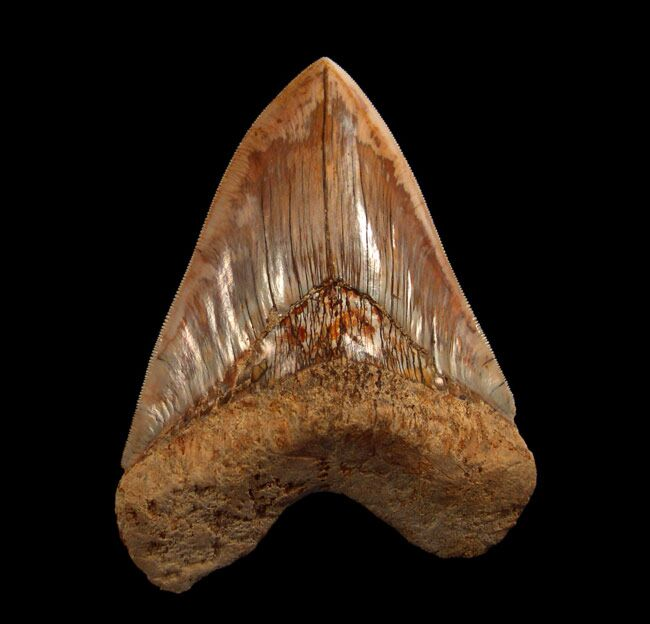
Plan your search for the day after a strong coastal storm to make the most of changing beach conditions. Storms move large amounts of sand, reveal buried shell beds, and expose layers rich in fossils that usually stay hidden. For anyone hoping to explore the shoreline with purpose, this moment offers a clear advantage. By timing your visit right, you significantly improve your chances of finding a megalodon tooth among the debris left behind. These post-storm conditions often mark the difference between an ordinary beach walk and uncovering a piece of prehistoric life.
How Do Coastal Storms Transform the Fossil Landscape for Finding a Megalodon Tooth?
Coastal storms play a significant role in determining where and how fossils appear on the surface. When waves batter the shoreline, they erode thick layers of sand that usually hide older sediment beneath. As the storm clears and the tide begins to fall, the ocean deposits heavier material, such as fossilized shark teeth, along the beach. You might notice patches of crushed shells, dark gravel, or shallow pools forming across the sand. These changes signal that the beach has shifted, making the possibility of locating a tooth of a megalodon very real.
Recognize the Right Conditions After a Storm
You can improve your fossil hunting success by understanding the patterns that follow a storm. Not every storm brings ideal conditions, but several signs tell you when to head out:
● Onshore winds push waves farther inland, stirring deeper sediment.
● Extended rainfall increases river flow, washing out fossil beds upstream.
● Low tide allows better access to uncovered sandbars and gravel beds.
● Patches of shell debris and erosion lines signal recent movement.
● The shoreline looks uneven or reshaped compared to normal conditions.
Observing these clues gives you an advantage and helps you focus on productive areas.
Search Where Fossils Naturally Collect
When a storm reshapes a beach, it often creates new low points where heavy materials settle. These areas become hotspots for fossil hunters. The bases of small inlets, the ends of drainage paths, and places where fresh water meets the ocean tend to trap denser objects, such as fossilized teeth. Shell beds also collect these fossils, especially near slopes or breaks in the sand. Walk slowly and look for differences in texture and color. Megalodon teeth often hide among shell fragments or darkened sand deposits.
Bring Simple Tools to Support the Search
You do not need expensive equipment to search effectively. A few basic tools can help you move through shell piles and identify potential fossils more easily:
● A sand sifter to separate shells and debris from heavier fossil pieces.
● A hand trowel to gently dig in soft areas or along shell beds.
● A mesh bag to store your finds without damaging their edges.
● A small flashlight or headlamp to check for shine and shape in low light.
● Footwear with a firm grip to protect yourself on wet, uneven terrain.
With the right tools and careful attention, you increase your chances of making a real discovery.
Learn to Identify Fossil Traits Correctly
Megalodon teeth have clear traits that help you separate them from shells, rocks, and broken coral pieces. Most show black, deep brown, or gray tones because minerals seeped into the tooth over time. You will often notice a bold triangular shape, a firm flat base, and fine ridges along the edges. Some teeth lie flat and blend into wet sand, while others sit partly buried with only the tip visible. When you focus on finding a megalodon tooth, scan for sharp angles and dark contrast against lighter shell beds. Move slowly and change your viewing angle to catch the tooth’s shape as light shifts.
Understand the Myths Versus Facts
|
Myth |
Facts |
|
You can only find teeth by diving. |
Many of the best finds come from surface hunting on the beach. |
|
Stronger storms always bring better results. |
Moderate storms often uncover more intact fossils without washing them away. |
|
All black triangular items are teeth. |
Many are rocks or shell pieces that only resemble teeth. |
Follow Collection Rules Before You Begin
Before you search, check the collection rules in your area. Some regions allow fossil hunting along public beaches, while others protect these areas to preserve their natural condition. In some instances, you may need a fossil permit or have limits on how many items you can take. Follow the posted guidelines and avoid disturbing natural features or wildlife habitats. By collecting responsibly, you help preserve the beach and ensure future fossil hunters can enjoy the same experience.
Know How to Handle a Real Find
When you find a megalodon tooth, please treat it with care. Do not scrub it or use chemicals. Instead, rinse it in fresh water and pat it dry with a soft cloth. Store it in a clean, dry place away from direct sunlight. If you want to identify the species, compare the size and shape to fossil reference charts. Connecting with knowledgeable collectors or community groups can also help confirm the details. Whether you keep it, display it, or enjoy the moment, locating a tooth of a megalodon carries personal meaning and historical value.
Final Thoughts
Successful fossil hunters rely on preparation and observation rather than luck. They monitor weather patterns, follow tide shifts, and visit the shoreline once storms have reshaped the beach. These changes create the right conditions for uncovering what time has buried. For those focused on finding a megalodon tooth, this period offers the clearest shot at discovery. As water clears away surface sand, new textures and shapes begin to appear. When you arrive ready, know where to look, and read the beach carefully, your chances rise. You only need patience, awareness, and the drive to walk the paths once traveled by ancient marine predators.






