

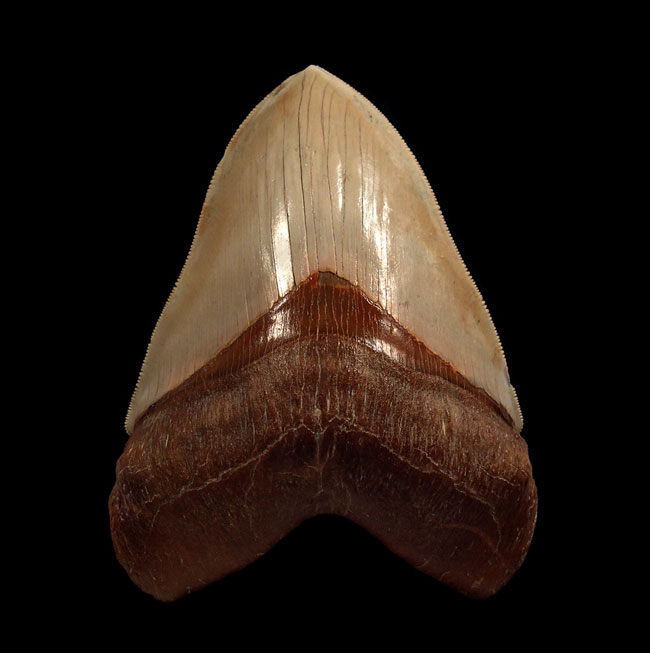
Deep beneath the ancient oceans, long before humans walked the earth, a colossal predator ruled the seas — the megalodon. With jaws powerful enough to crush whales, this prehistoric shark continues to fascinate scientists and enthusiasts alike. But among all the fossilized remains discovered, one finding continues to astonish researchers — the biggest megalodon tooth ever found.
The story of this discovery begins not in a museum, but along the rugged Chilean coastline. A place where the Pacific whispers secrets of an age when giants swam freely. The megalodon may be extinct, but each fossilized tooth it left behind offers a glimpse into its massive presence and the mysterious world it once dominated.
A Discovery that Changed Everything
It was along Chile’s Atacama Desert coastline that paleontologists made a stunning find — an enormous fossilized tooth measuring more than seven inches long. The sheer size of this relic sent waves through the scientific community. How could such a creature have existed, and what might its life have been like?
The arid desert, once a thriving ocean floor, revealed layers of marine fossils, but none as impressive as this. This single tooth told a story of dominance — proof that the megalodon wasn’t merely large, but truly the apex predator of its time. It’s believed that the owner of this massive tooth might have stretched beyond 60 feet in length, making today’s great white shark seem small in comparison.
The Ocean Graveyard of Chile
Chile’s fossil sites have become a treasure trove for researchers. The sedimentary rocks in these regions are filled with remains from the Miocene epoch, when megalodons thrived. The dry desert conditions preserved these relics remarkably well, creating a natural museum of prehistoric life.
Each excavation reveals more about how marine ecosystems evolved after the extinction of these oceanic giants. The biggest megalodon tooth ever found added a remarkable piece to this puzzle. It suggested that megalodons may have preferred deeper, colder waters off the coast of South America, where prey was abundant and competition scarce.
What Makes a Megalodon Tooth Unique?
Megalodon teeth are unlike anything found in modern sharks. They can reach the size of a human hand and are distinguished by their triangular shape, fine serrations, and heavy mineralization. Their enamel is often a blend of deep grays, tans, and browns — each hue marking millions of years of fossilization.
While most teeth found measure between four and six inches, anything above seven inches is extraordinarily rare. These enormous fossils give paleontologists the data they need to estimate the creature’s size and feeding habits. Every ridge, chip, and coloration pattern tells a story — one that connects us to a world that existed millions of years ago.
A Glimpse into the Life of a Giant
To imagine the creature that carried such a tooth is to picture nature’s raw power at its peak. The megalodon likely hunted large marine mammals, including whales, seals, and even giant sea turtles. With jaws spanning up to 10 feet across, its bite force is estimated to have been over 40,000 pounds.
The massive teeth, such as the one found in Chile, served as tools for slicing through flesh and bone. Each tooth was replaced multiple times during the shark’s life, creating layers of fossilized evidence across prehistoric seabeds. For paleontologists, these teeth are like breadcrumbs left behind by an oceanic monarch.
Why the Chilean Discovery Stands Apart
Fossils have been found across the world — from North America to Europe and Asia — yet Chile’s find remains a scientific milestone. The geological conditions of the Atacama region not only preserved the fossils but also provided context. Layers of rock and sediment help date the tooth precisely, allowing researchers to place it within the larger timeline of marine evolution.
What makes this particular find extraordinary isn’t only its size but its preservation. The tooth retained nearly all its enamel, with sharp serrations still visible. It’s as if time paused, capturing a moment from millions of years ago and giving it to modern science.
What the Discovery Teaches Us
The discovery of the biggest megalodon tooth ever found reshaped what we know about prehistoric marine predators. It confirmed that megalodons grew larger than previously estimated and thrived longer in certain regions. Moreover, it reinforced the importance of paleontological exploration in South America — an area rich with untold stories of the deep.
This discovery also reminds us how much remains unknown about Earth’s ancient oceans. For every fossil found, countless others lie buried beneath layers of rock, waiting to be uncovered. Each new discovery helps reconstruct the world’s natural history and fuels our collective imagination about what once was.
The Emotional Pull of Prehistoric Relics
Something is captivating about holding a piece of history that predates humanity. Fossils like the Chilean megalodon tooth evoke a sense of wonder. They prompt us to ponder our planet’s ancient past and our connection to creatures that once dominated it.
Collectors and enthusiasts around the world seek these fossils not just for their rarity but for the stories they tell. Owning one feels like possessing a tangible link to a forgotten era — a relic of nature’s most awe-inspiring creations.
From Ocean Depths to Museum Shelves
Today, the tooth rests safely within the hands of researchers and collectors who understand its significance. Through careful preservation and study, these fossils become more than geological curiosities — they become bridges between science and imagination.
Museums around the world display megalodon teeth to educate visitors about the grandeur of the prehistoric ocean. Each display inspires new generations of scientists, explorers, and dreamers to continue searching for the secrets still hidden beneath the earth’s surface.
A Discovery That Still Echoes
Millions of years may separate us from the megalodon, yet discoveries like this one remind us how connected we remain to Earth’s evolving story. The biggest megalodon tooth ever found is not just a fossil — it’s evidence of a world both familiar and alien, where survival meant strength, and the oceans belonged to giants.
Such findings keep curiosity alive. They whisper that there’s more to learn, more to explore, and more stories waiting patiently in the depths.
Continue the Journey of Discovery
If the mystery of ancient oceans fascinates you, exploring authentic fossils is a remarkable way to experience that connection firsthand. Whether through museum visits, fossil exhibitions, or trusted fossil collections, these remnants of prehistory bring the past closer to home.
Start your own adventure into Earth’s hidden history — explore, learn, and keep the spirit of discovery alive.






