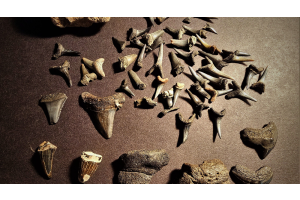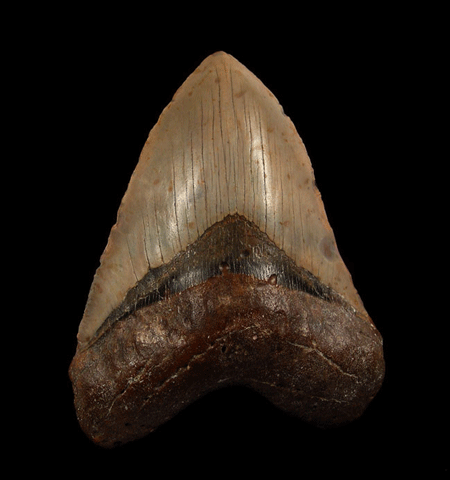
At our organization, we have dedicated our efforts to studying and preserving the wonders of the prehistoric ocean, and one of the most fascinating discoveries involves megalodon tooth ledges. These incredible formations reveal much more than fossilized teeth. They help us understand how ancient seas changed over millions of years. Through these ledges, we can see traces of temperature shifts, evolving marine life, and patterns of ocean movement during the Miocene and Pliocene epochs.
Each ledge contains several layers of sediment that were deposited on the ocean floor over vast periods. Within these layers lie teeth, shells, and other remains of marine organisms that lived and died as conditions changed. As sediments continued to build up, older layers were slowly buried by newer ones, creating a geological record that reflects the transformation of marine environments through time.
A Stratified Chronicle of Ocean History
The layered structure of these ledges allows scientists to piece together how ancient oceans developed and evolved. Each distinct layer can tell an individual story. Variations in the number of teeth, their size, surface wear, and the kinds of fossils found alongside them can be used to reconstruct how marine environments shifted over thousands of years.
When a layer contains a large number of megalodon teeth, it suggests a period when these massive sharks thrived. On the other hand, layers with fewer or smaller teeth may represent cooler seas, limited prey, or changes in water circulation. By examining the vertical sequence of these layers, researchers are able to identify long-term trends in marine productivity, climate stability, and predator abundance.
Sea Temperature Patterns Across Time
During the Miocene and Pliocene epochs, the Earth went through significant climate fluctuations that affected sea temperatures across the globe. The fossils preserved within each ledge help researchers interpret these changes.
Layers filled with fossils of species known to prefer warm waters often correspond to intervals when tropical or subtropical conditions expanded. Conversely, layers containing fewer fossils or showing evidence of cold-water species are thought to indicate cooler phases.
By observing how megalodon teeth are distributed among these layers, scientists are able to infer when this species likely thrived in warmer seas and when its population declined as the climate cooled. Each ledge thus acts as a natural timeline, recording how ocean temperatures rose and fell and how marine life adapted accordingly.
Reading the Currents Through Sediment Patterns
The physical composition of the ledges also provides important clues about the strength and direction of ancient ocean currents. Sediments that appear disturbed or uneven may have been shaped by strong water movement. In such cases, teeth and other fossils could have been shifted or sorted before becoming buried.
In contrast, layers with fine, uniform sediments and well-preserved fossils suggest that the environment was relatively calm. During these stable periods, more delicate organisms could have settled undisturbed on the seafloor. By comparing disturbed and undisturbed layers, researchers can determine how current strength and flow changed over time, influencing where and how marine organisms lived and how fossils were preserved.
Ecological Shifts Captured in Fossil Assemblages
Each ledge also serves as a record of the marine communities that once existed. Megalodon teeth often appear alongside fossils of whales, rays, and smaller sharks, helping scientists piece together how these ecosystems functioned.
When a layer shows a wide variety of marine life, it indicates that food chains were stable and ecosystems were productive enough to sustain large predators. In contrast, layers that contain fewer species suggest periods when the environment may have been less favorable, perhaps due to cooler water or limited prey availability.
By examining these differences, researchers are able to see how ocean ecosystems changed during warming and cooling cycles, and how shifts in climate or sea level may have led to the eventual disappearance of certain species, including the megalodon itself.
The study of megalodon tooth ledges in this context provides vital insight into how predator populations and marine ecosystems evolved together as environmental pressures increased.
Tracing Population Trends of an Apex Predator
The number and distribution of megalodon teeth across different layers can reveal valuable information about how the species’ population changed through time. Dense concentrations of teeth likely represent periods when megalodon populations were thriving and prey was abundant. Thinner or sparse layers may point to population declines caused by environmental stress or reduced food sources.
These patterns allow scientists to connect biological evidence with environmental factors. For example, a layer showing fewer teeth could coincide with cooler waters or lower prey density. Over millions of years, these gradual changes likely contributed to the eventual extinction of this giant predator.
By analyzing this stratified record, researchers are able to build a clearer understanding of how the megalodon responded to environmental pressures and how these pressures shaped the balance of marine ecosystems.
Sediment Composition and Oceanographic Clues
The type and texture of sediments within each ledge add another layer of information. Coarse sediments, made up of larger particles, usually indicate that strong currents or waves were present when the layer was formed. Fine-grained sediments, on the other hand, accumulate in calmer waters and tend to preserve fragile fossils in excellent condition.
By studying the transitions between coarse and fine layers, scientists can recognize when ocean energy levels changed. These variations may reflect shifts in current strength, sea level, or the position of coastal regions. Over millions of years, such processes helped shape the structure of marine environments and influenced how fossils were distributed within the ledges.
Conservation and Scientific Value
According to the original reference, megalodon tooth ledges are often located deep underwater, making them difficult to reach and study. Recent advances in remote exploration have made it possible to document these formations with greater detail. Remotely operated vehicles and high-resolution imaging systems have allowed scientists to observe ledges that were previously inaccessible.
However, these sites are also vulnerable. Unauthorized fossil collection and physical disturbance can destroy valuable scientific information. Preserving these natural archives is essential because each ledge contains a unique story about ancient oceans. Protecting these locations ensures that future studies can continue to reveal the mysteries of life and climate during the Miocene and Pliocene epochs.
Toward a Clearer Picture of Ancient Seas
Ongoing research continues to uncover new ledge sites, often with exceptionally preserved fossils that add to the understanding of prehistoric ocean life. Each new discovery contributes valuable data, helping scientists piece together how ancient environments evolved and how climate and ocean systems interacted over time.
As technology continues to advance, scientists are able to collect more accurate data from these deep-sea formations. Detailed examination of tooth ledges, fossil assemblages, and sediment layers helps reconstruct the rise and decline of species while offering a glimpse into the shifting balance of ancient ecosystems.
Conclusion
Megalodon tooth ledges represent far more than the resting places of ancient teeth. They are natural records of ocean evolution, preserving evidence of temperature changes, current variations, and ecological shifts that shaped marine history. By studying their layers, scientists are able to trace how life and environment interacted during the Miocene and Pliocene epochs.
Each ledge tells a story of transformation, documenting how the ocean changed, how predators adapted, and how ecosystems evolved. These formations remain among the most valuable resources for understanding the forces that have shaped our planet’s marine past and the history of the world’s greatest shark.