

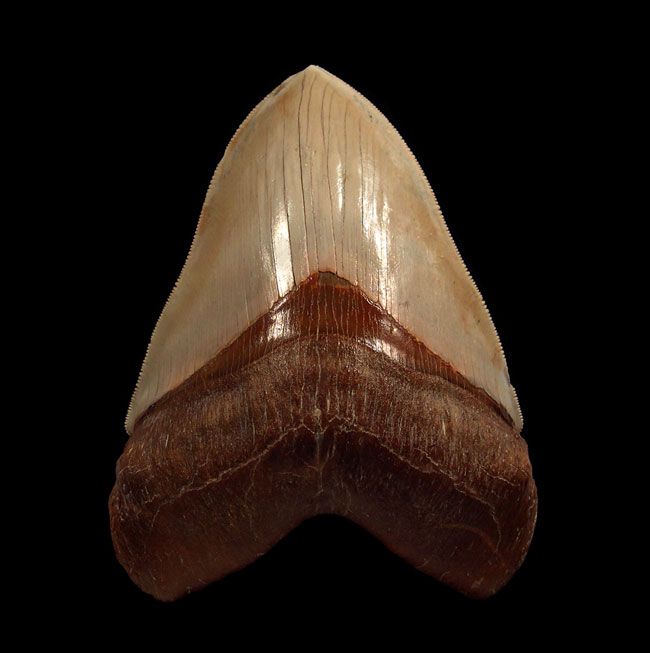
At our fossil collection site, we take pride in unearthing relics that bridge the past and present, revealing stories written in stone. We have encountered extraordinary discoveries, but few compare to the biggest megalodon tooth unearthed along the Chilean coast.
This remarkable fossil has captured the fascination of researchers, collectors, and ocean history enthusiasts across the globe. It gives us a glimpse into the incredible power of an apex predator that once dominated ancient seas and enriches scientific understanding of Earth’s distant past.
Unearthing a Monumental Discovery
Along Chile’s scenic coastal formations, a team of geologists and fossil specialists discovered one of the most prominent Megalodon teeth ever recorded. This find stands as a monumental monument in marine paleontology, offering insight into both the biology of the ancient shark and the geological richness of Chile itself. The fossil’s immense size, combined with its pristine condition, makes it one of the most significant paleontological treasures ever recovered from the region.
The discovery also highlights Chile’s remarkable geology. Over millions of years, tectonic movement, volcanic activity, and shifting sediment layers have formed natural archives of ancient marine life. The preservation of this Megalodon tooth within these layers shows how time and nature can collaborate to protect fragments of history beneath the surface.
Why Megalodon Teeth from Chile Are So Unique
Megalodon teeth from Chile possess rare attributes that distinguish them from fossils found elsewhere. Their size, state of preservation, and the environmental conditions surrounding their formation all contribute to their uniqueness.
1. Extraordinary Size
The Chilean specimen stands among the most massive fossil teeth known to humankind. Its scale suggests the shark it belonged to may have reached astonishing lengths. Since tooth size directly correlates with body length, this discovery reshapes existing theories about the actual dimensions of Megalodon. The biggest megalodon tooth ever found serves as undeniable evidence that these sharks were far larger and more formidable than once imagined.
The immense tooth inspires both wonder and curiosity. It reminds researchers how vast and powerful ancient marine ecosystems once were. The fossil does not merely measure the shark’s size but also represents a record of evolution, adaptation, and survival at the top of the oceanic food chain.
2. Remarkable Preservation
The condition of the Chilean tooth adds to its importance. Unlike many fossils that crumble or erode with time, this specimen remains impressively intact. Its fine serrations, enamel texture, and root structure provide scientists with rare details about Megalodon’s feeding patterns and prey behavior.
Exceptional preservation is no accident. It speaks to the region’s stable sediment composition and protective environmental layers that shielded the fossil from natural decay. The result is a specimen that offers both scientific precision and aesthetic beauty, allowing for close study of every ridge and curve that once cut through the flesh of ancient prey.
3. Geological and Environmental Context
Chile’s coastlines have long been known for revealing marine fossils that trace back to prehistoric ages. The area’s diverse geological strata tell stories of fluctuating sea levels, volcanic shifts, and thriving ocean ecosystems. The Megalodon tooth discovered here helps reconstruct the ancient seascape where this predator once roamed.
Each fossil extracted from this region adds valuable information to global records, connecting South Pacific discoveries with other sites around the world. The environmental data gathered from such finds help scientists visualize the migration and distribution of these massive creatures, enriching studies of marine biodiversity throughout geological time.
4. Scientific and Educational Value
The tooth’s scale and detail allow scientists to examine Megalodon biology with renewed accuracy. By studying the fossils’ wear patterns and internal structure, researchers can estimate growth stages, feeding strength, and lifespan. These clues contribute to a broader understanding of how Megalodon lived, hunted, and eventually vanished.
In educational settings, fossils like these hold enormous value. They engage students and museum visitors by transforming abstract prehistory into something tangible. Seeing the size and weight of a real Megalodon tooth sparks imagination and appreciation for the natural world’s immense history. It invites people to picture a time when these massive sharks ruled the seas with unmatched dominance.
5. Cultural and Historical Significance
The fascination surrounding Megalodon extends beyond science. Chilean Megalodon teeth have become symbols of natural heritage, connecting communities to their region’s ancient past. Museums and collectors treasure these fossils not only for their rarity but for the cultural pride they evoke.
Their story continues to travel far beyond Chile, inspiring awe and curiosity worldwide. Each display or exhibit featuring such a specimen reminds visitors that our planet has harbored life forms of extraordinary size and power. It demonstrates that nature’s creativity and scale far surpass imagination.
The Challenge Behind Every Discovery
Finding fossils of this caliber is incredibly difficult. Chile’s coastal cliffs and rugged terrain make excavation both challenging and unpredictable. Fossil hunters often face eroding landscapes, shifting sands, and strict preservation conditions that demand patience and precision.
The fact that this Megalodon tooth survived these natural tests and remained intact for millions of years is nothing short of remarkable. It reflects both the durability of nature’s design and the resilience of those who dedicate their lives to uncovering these traces of history. Each successful recovery reminds researchers how delicate and rare these connections to the past truly are.
The True Value of Chilean Megalodon Teeth
The value of Chilean Megalodon teeth extends beyond financial worth. Their size, condition, and scientific relevance make them precious artifacts of natural history. Collectors may prize them as centerpieces, but researchers see them as gateways to ancient knowledge.
Each specimen offers something unique to the study of evolution and ecology. The details within every ridge, chip, and polish tell stories about environmental shifts, marine adaptation, and survival. For museums, these fossils transform exhibits into immersive journeys through time, where visitors can witness the remains of one of Earth’s most legendary creatures.
The Chilean finds reaffirm that every fossil has a purpose to teach, to inspire, and to preserve the wonder of the world’s beginnings.
Conclusion
The discovery of the biggest megalodon tooth ever found in Chile represents far more than a striking fossil. It is a tangible connection to the might and mystery of an ancient world where enormous predators ruled the sea. Through its remarkable preservation, extraordinary size, and deep geological roots, the tooth continues to shape understanding of Earth’s past.
Each Megalodon tooth from Chile tells a story of strength, endurance, and transformation. It reminds modern science that nature still holds secrets waiting to be revealed beneath layers of earth and stone. The Chilean discovery stands as both a triumph of exploration and a tribute to the incredible history of life that once thrived in the depths of our planet’s oceans.






