

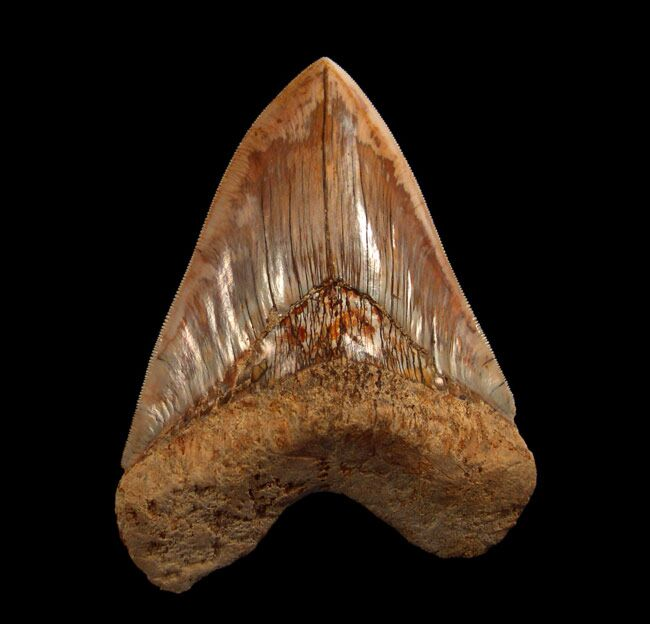
Somewhere along a quiet shoreline, the tide pulls back and reveals a fragment of time—dark, triangular, and gleaming faintly beneath the sand. Your heart skips a beat as you realize it could be something extraordinary: a relic from one of the most formidable predators that ever lived. Long before humans walked the earth, the megalodon dominated the seas. Today, finding a megalodon tooth connects us to that ancient past in a tangible way, letting us hold millions of years of history in our hands.
The thrill of such a discovery isn’t just about the fossil itself; it’s about the moment of recognition—the instant when you realize you’ve unearthed a piece of Earth’s forgotten story.
Why These Ancient Giants Still Fascinate Us
Megalodons, often measuring more than fifty feet long, once ruled the oceans with unmatched strength. Their massive teeth—some over seven inches—were designed for crushing bone and devouring large prey. Although they disappeared around three million years ago, their presence lingers through fossils scattered across coastlines and riverbeds.
Each tooth tells a story of the prehistoric ocean world—of colossal movements, shifting seas, and the raw cycle of survival. Perhaps that’s why fossil hunters, scientists, and curious explorers alike continue to search for these remnants. They aren’t simply collecting fossils; they’re reclaiming a piece of ancient mystery.
The Thrill of the Hunt
The allure of discovery is what draws many into megalodon tooth hunting. It’s more than a hobby—it’s an adventure that merges patience, curiosity, and the excitement of the unknown. You scan the sand, sift through gravel, and watch the sunlight glint off the water’s surface, hoping for that telltale triangular shape.
Unlike treasure hunting, fossil searching is steeped in the rhythm of nature. You must understand tides, erosion, and how the sea reshapes the coastline over time. The most experienced hunters read these signs like a map, predicting where the earth might reveal its secrets next.
Where the Ocean Hides Its Secrets
Across the United States and other parts of the world, specific locations have earned legendary status among fossil enthusiasts. The shallow waters and coastal cliffs of the Carolinas, the riverbeds of Florida, and parts of Maryland’s Calvert Cliffs are known for their ancient deposits.
Each place holds its own character. In South Carolina’s rivers, divers search dark currents, guided by instinct and touch. Along Florida’s Peace River, the hunt is slower, more meditative—an exercise in observation. In Maryland, sharp cliffs expose layers of sediment, each revealing traces of ocean life from millions of years past.
These areas don’t guarantee a find, but they offer the promise of possibility—the same sense of wonder that has fueled explorers for generations.
Preparing for a Day of Discovery
Before heading out, preparation matters. A small shovel, a sifting screen, and a sense of patience go a long way. The right gear keeps you comfortable and ready for long hours of searching. But even more important is the mindset: fossil hunting rewards those who notice details. That smooth, dark fragment beneath your fingers might look ordinary until you brush away the sand and see serrations glinting in the sun.
Sometimes the most rewarding discoveries come from persistence—returning to the same stretch of beach after a storm or exploring a new area during low tide. The sea is a constant sculptor, constantly rearranging its treasures.
Understanding What You Find
When you finally uncover a fossil, identification becomes part of the excitement. Megalodon teeth are distinct—broad, triangular, and often heavy in the hand. Their edges may be serrated, and the enamel varies in color from jet black to gray or brown, depending on the minerals in the surrounding sediment.
Each tooth reveals more than its shape—it speaks to the environment from which it came. Fossils found inland suggest that the area was once submerged beneath ancient seas. Holding one connects you directly to that submerged world, allowing imagination to bridge the gap between then and now.
Respecting Nature’s Timeline
While it’s tempting to take every fossil home, responsible collecting ensures that these remnants remain available for study and appreciation. Many sites encourage enthusiasts to collect small finds but ask that larger or scarce specimens be reported for preservation.
Ethical fossil hunting keeps the balance between curiosity and conservation. After all, the goal isn’t to deplete nature’s treasures but to experience them—to understand the vastness of time and the beauty of the earth’s history.
A Connection Across Millennia
When you think about it, holding a megalodon tooth is like shaking hands with time itself. You feel the weight, see the ridges, and know that it once belonged to a creature so immense it could swallow a small whale whole. Yet here it is, resting in your palm—a bridge between eras, unchanged yet profoundly meaningful.
This connection to deep history reminds us that the earth’s story is constantly unfolding, even if slowly. Fossil hunting invites us to listen, to pay attention, and to let the tides reveal what they’ve kept hidden for so long.
Bringing the Ocean’s History to Life
If you’ve ever stood by the water’s edge and wondered what mysteries lie beneath, this adventure is for you. Each expedition, each early morning on a quiet beach, holds the potential for discovery. Finding a megalodon tooth is more than an act of collection—it’s a shared experience between humanity and history.
Whether you’re exploring rivers, cliffs, or coastal sands, the sense of discovery never fades. It’s the same spark that inspired scientists, divers, and curious wanderers to seek the stories written in stone and fossilized enamel.
The Call of the Deep
If your curiosity is piqued, maybe it’s time to set out on your own adventure. Pack your tools, read the tides, and see what the ocean might offer you. Remember, fossil hunting isn’t about luck—it’s about patience, respect, and the joy of discovery.
Each find, big or small, brings you closer to the history beneath your feet. Start exploring the ancient echoes of the sea today—because somewhere out there, a piece of the past is waiting to be found.
Begin your search, respect the earth’s story, and let the thrill of discovery guide your way.






