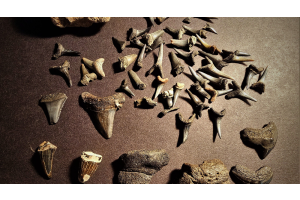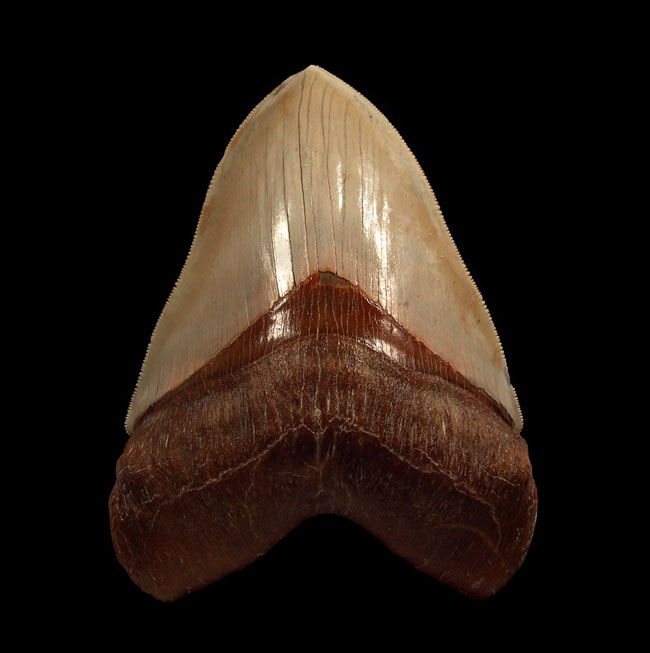
Beneath the ocean’s quiet surface lies a world that once trembled under the shadow of enormous predators. The megalodon, an apex predator that roamed prehistoric seas millions of years ago, continues to fascinate us through the remnants it left behind. Among these remnants, one artifact stands out above all—the world's largest megalodon tooth, a fossilized fragment of a creature so vast that it defies imagination.
This isn’t simply about a tooth; it’s about a window into an era when marine life reached scales that seem unreal today. Every fossil discovered adds a new layer to our understanding, but the tooth found off the Chilean coast redefines what was previously thought possible about the size and scope of this ancient shark.
A Glimpse Into a Prehistoric Ocean
Imagine swimming in the Miocene epoch, around 20 million years ago, when colossal sharks dominated the seas. The megalodon was not merely large—it was monumental, estimated to reach lengths over 50 feet. Its teeth, serrated like blades, were designed to crush whale bones effortlessly. However, the discovery in Chile took this to an entirely new level.
This particular specimen stretched beyond the dimensions of any previously recorded fossil. The tooth’s perfect preservation, along with its enormous size, has fueled both scientific curiosity and public awe. Measuring over seven inches, it suggests that the shark it came from could have been larger than any megalodon we’ve yet imagined—perhaps even approaching the limits of what nature could sustain in marine predators.
Unearthing the Monster of the Past
Fossil hunting is a blend of patience and serendipity. The Chilean coast, known for its rich fossil beds, provided the ideal backdrop for this astonishing discovery. Layers of sediment, built over millions of years, had guarded this relic until erosion and time conspired to reveal it.
For paleontologists, each tooth tells a story. The enamel patterns reveal the shark's feeding behavior, while wear marks indicate how it hunted and tore through its prey. In this case, the tooth’s size and structure point to a predator at the very peak of evolution—one that likely fed on whales, dolphins, and even other sharks.
What Makes This Find So Extraordinary
To understand why this discovery is so significant, we need to compare it with other finds. Most megalodon teeth range between four and six inches. Crossing the seven-inch mark places a specimen in the realm of near myth. But beyond its measurements, it’s the geographical context that fascinates scientists.
The Chilean find suggests that these massive sharks may have frequented calmer waters than previously believed. This reshapes existing theories about their migratory patterns and ecological range. It also highlights the role of South America as an untapped treasure trove for marine fossils—an area that may hold more surprises hidden beneath its rugged terrain.
What the Tooth Reveals About Megalodon’s Life
Size tells only part of the story. The curvature and serrations of this immense fossil suggest a species designed for dominance. Megalodon’s teeth weren’t designed for delicate work—they were instruments of overwhelming force. A single bite could generate several tons of pressure, enough to shatter the bones of its prey.
The sheer scale of this fossil also highlights the biological challenges of supporting such a massive predator. The ocean’s food chain would have needed to sustain continuous feeding demands, making these creatures rulers of a fragile ecosystem. Once climate changes and food scarcity began, even the mightiest of them faced extinction.
A Bridge Between Science and Imagination
The discovery of the world's largest megalodon tooth doesn’t only belong to science—it belongs to culture and imagination. Fossils like this remind us of nature’s grandeur and the mysteries that still linger beneath the surface. They invite comparisons to legends and cinematic monsters, yet what’s remarkable is how reality often surpasses fiction.
Museums and collectors around the world continue to seek such rare specimens, each telling a silent story of prehistoric might. To hold one is to feel the pulse of a creature that once ruled an ocean no human had ever seen. It’s more than a fossil—it’s an echo from a vanished world.
From Discovery to Display
Once excavated, fossils undergo a meticulous process of preservation. Scientists carefully clean, stabilize, and catalog each find before it’s ready for study or exhibition. The Chilean tooth has since become a reference point for researchers exploring the limits of the species’ size and distribution.
For enthusiasts, the story of its discovery serves as a poignant reminder of the vast amount that remains hidden. Every wave, every tide, has the potential to unearth something extraordinary. And somewhere, deep beneath the sediment, there may lie another tooth waiting to rewrite history once more.
Why This Find Captivates Modern Audiences
There’s something universal about our fascination with ancient predators. They embody raw nature—untamed, mysterious, and larger than life. The megalodon represents more than a long-extinct species; it symbolizes the unknown depths of our planet’s history.
As paleontologists continue to refine their understanding of megalodon’s evolution, this colossal fossil acts as both evidence and inspiration. It challenges assumptions, excites curiosity, and connects us to the distant pulse of the Earth’s living past.
The Legacy of an Ocean Titan
The unearthing of such an extraordinary fossil reaffirms humanity’s endless curiosity about the ancient world. These discoveries remind us that the ocean, vast and largely unexplored, still holds remnants of giants that once roamed its depths.
Whether it’s through research, museum exhibits, or private collections, fossils continue to bridge time—linking the modern age to epochs defined by creatures of breathtaking scale.
As we look upon the world's largest megalodon tooth, we aren’t merely gazing at a remnant of an ancient predator. We’re witnessing a chapter of Earth’s biography—a reminder that our planet’s story is still being written, one fossil at a time.
Ready to Explore More of Earth’s Ancient Wonders?
If stories like this ignite your imagination, take the next step into the world of fossil discovery. Explore collections, read about other remarkable finds, and see how fragments of the past continue to shape our understanding of life itself. Dive deeper into history, and let the ocean’s ancient whispers guide your curiosity toward the subsequent great discovery.