

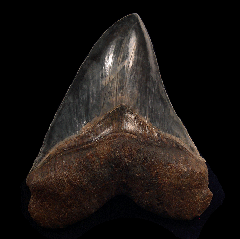
Sometimes a single tooth can shift what we know about ancient life, especially with a predator as massive as the Megalodon. When a megalodon tooth found in 2016 emerged from a well-documented fossil bed, it did more than enter a collection. It sparked fresh interest among researchers and collectors. We shared insights at the time, noting how this find supported ideas about the shark’s hunting zones, growth, and global range. It offered a sharper glimpse into the powerful reign of this extinct giant.
What Made the 2016 Megalodon Tooth So Special?
At first glance, the tooth looked similar to others we’ve seen: massive, triangular, serrated, and fossilized to a rich, earthy tone. But its condition and location made it a standout. The tooth was unearthed from a coastal deposit that had not previously yielded such large and well-preserved Megalodon fossils. That alone was enough to stir interest.
However, what truly changed the conversation was the detailed sediment analysis that accompanied the find. It helped verify not just the age of the tooth, but the approximate era in which this particular Megalodon lived. That tooth, possibly from a juvenile, hinted at the species’ adaptability in different marine environments. This mattered because it showed Megalodon sharks may have covered wider, more diverse ranges than previously assumed.
The Bigger Picture: How the 2016 Find Reframes Megalodon Behavior
When we look at Megalodon fossils, we usually study wear patterns, coloration, and mineralization to guess where and how they lived. But the megalodon tooth found in 2016 gave us more than just another point on a map. Its pristine condition and the marine layer where it was located offered rare clues about how quickly these predators migrated through warm coastal waters.
Prior to this find, we mostly believed the Megalodon’s range was limited to temperate and tropical zones. With this 2016 discovery, scientists were able to argue that the species may have had access to more seasonal or cooler environments than previously believed. This has implications for how we think about their food sources, breeding patterns, and competition with other marine predators.
Linking Teeth to the Megalodon’s Size and Growth
Another area where the 2016 find made an impact was in the ongoing attempt to estimate Megalodon's size through its teeth. Using width-to-body-length ratios, the dimensions of the 2016 tooth suggested a younger individual than many other specimens on record. It may have been just over 30 feet in length. That’s smaller than the maximum estimated size for adults but still a dominant presence in its ecosystem.
This find helped refine the growth timeline of the species. Instead of assuming rapid early growth followed by size plateaus, some researchers started revisiting their models. The idea that younger Megalodons stayed in protected coastal nurseries longer than expected gained traction.
For collectors, this offers even more value to mid-sized teeth. Not all specimens need to be six inches to tell a story. In fact, those around 4 to 5 inches, especially with strong serrations and intact root lobes, can provide essential data points about the life stages of this giant shark.
Fossil Collectors and the Importance of Verified Context
We’ve handled Megalodon teeth from a variety of dig sites, and the most prized specimens often come with verified provenance. The megalodon tooth found in 2016 reminded all of us how important proper documentation can be. When a tooth’s location, sedimentary layer, and relative age are clearly recorded, it becomes more than a collectible. It becomes a scientifically valuable specimen.
We always encourage buyers and collectors to prioritize this kind of information. It not only adds credibility to your collection but also connects you to the broader fossil research community.
What the 2016 Tooth Tells Us About Prehistoric Ecosystems
Beyond the tooth itself, the 2016 find shed light on the Megalodon's possible role in its ecosystem. Nearby fossils from the same layer included smaller shark species, bony fish, and early whales. These were all potential prey. This indicates that the Megalodon was likely the apex predator in this marine setting, reinforcing what we know about its hunting style.
Interestingly, no tooth wear indicated scavenging or duels with other large predators. This suggests it hunted with precision. The presence of so many varied marine lifeforms nearby also adds support to theories that Megalodons selected habitat-rich zones filled with prey.
How It Impacts Fossil Enthusiasts and First-Time Buyers
For those new to collecting, understanding the story behind each tooth makes a huge difference. We’ve seen how customers react when they learn about the location, age, and preservation quality of the teeth they purchase. It builds a deeper appreciation and often encourages further learning.
The megalodon tooth found in 2016 reminds us to look for teeth that come with the right background information, whether you’re buying for display, study, or investment. And if you're aiming to buy a scientifically significant piece, it helps to know how to evaluate the shape, serration detail, enamel preservation, and root integrity.
Why Location and Preservation Matter More Than Just Size
While size often gets the spotlight, collectors are becoming more aware that location and condition matter just as much. The 2016 find wasn’t the biggest on record, but its sharp serrations and intact bourlette (the dark chevron-shaped enamel band near the root) made it incredibly desirable.
We recommend paying close attention to those factors when shopping for Megalodon teeth. A tooth with clean edges, symmetrical shape, and strong enamel can be more valuable than a chipped six-incher with no context. This is especially true if you're looking to build a collection that holds both visual appeal and paleontological relevance.
Tools to Help Evaluate and Compare Your Own Finds
As collectors, we often use calipers, magnifying lenses, and UV lights to examine fine details on Megalodon teeth. If you're trying to assess whether your find holds similarities to historic discoveries like the megalodon tooth found in 2016, look at the following:
● Root structure: Is it intact or cracked?
● Enamel texture: Smooth and glossy or weathered?
● Serration sharpness: Still visible or worn flat?
● Bourlette visibility: A clear chevron pattern increases both scientific and collectible value.
Comparing your finds using these details helps you better understand what you’re holding and whether it’s worth preserving long-term or upgrading in your collection.
Conclusion
The megalodon tooth found in 2016 wasn’t just another addition to the fossil record. It challenged assumptions about this prehistoric predator’s migration, diet, and developmental stages. For fossil lovers, researchers, and curious collectors, it underscored just how much one specimen can teach us.
At Buried Treasure Fossils, we offer verified Megalodon teeth from various dig sites, each with its own unique history and features. Whether you’re just beginning your fossil journey or refining a growing collection, you’ll find options that speak to the legacy of the Megalodon, one tooth at a time.
Explore authentic Megalodon teeth with verified origins and impressive detail. Start your fossil collection journey with a rare prehistoric treasure today.






