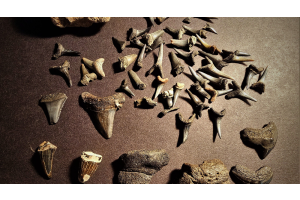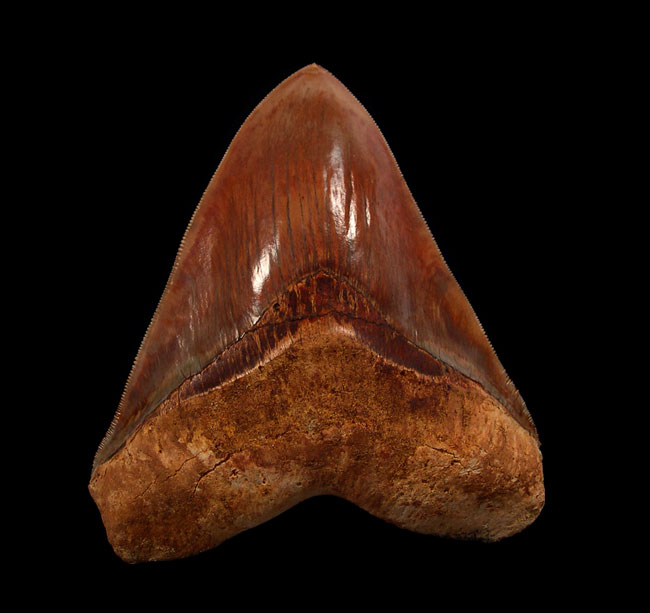
We often think of fossils as static objects from a distant past, but we offer a different perspective when we look closely at what they actually reveal. The discovery of the youngest megalodon tooth found is not just another addition to a fossil collection. It represents a critical clue in understanding how one of the ocean’s most dominant predators lived, adapted, and ultimately disappeared. This single tooth helps scientists refine extinction timelines, study ancient marine ecosystems, and even draw connections to modern shark species that still roam our oceans today.
Understanding What “Youngest” Really Means in Fossil Science
When scientists refer to the youngest megalodon tooth, they are not describing the size or condition of the tooth. They are referring to its geological age. This means the tooth comes from sediment layers that date closer to the time when megalodons are believed to have gone extinct. By studying these layers, researchers can determine how long the species survived and whether it existed later than previously thought.
This matters because extinction is rarely sudden. It is usually a gradual process influenced by environmental changes, food availability, and competition. Each well-dated fossil helps narrow the window of time in which these pressures intensified.
Why a Single Tooth Can Reshape an Extinction Timeline
Fossil records are incomplete by nature. Sharks complicate matters further because their skeletons are made of cartilage, which does not preserve well. Teeth are often the only physical evidence left behind. That is why a single, accurately dated tooth can hold immense scientific value.
The youngest megalodon tooth found suggests that this massive predator may have survived longer in certain regions than once assumed. This does not rewrite history overnight, but it encourages scientists to revisit older assumptions and reexamine fossil layers with fresh questions in mind.
Linking the Youngest Megalodon Tooth Found to Ocean Changes
The timing of this tooth aligns closely with major changes in Earth’s oceans. During the late Miocene and early Pliocene epochs, sea levels fluctuated, global temperatures shifted, and marine habitats transformed. These changes affected prey populations such as whales and large fish that megalodons depended on for survival.
By placing the youngest megalodon tooth found within this environmental context, scientists can better understand how climate and ecosystem changes contributed to the shark’s decline. It helps answer whether megalodon disappeared because it could not adapt quickly enough to a changing ocean.
What Ecosystem Transitions Reveal About Marine Life
Megalodon was an apex predator. When such a species declines, the effects ripple through the food chain. Studying when and where megalodon teeth disappear from the fossil record allows researchers to track how marine ecosystems reorganized themselves afterward.
This transition period saw the rise of other large predators and changes in whale behavior and distribution. The absence of megalodon likely altered migration patterns and feeding strategies among marine mammals. Understanding these shifts helps paint a clearer picture of how ancient oceans functioned and how resilient they were to major changes.
Insights Into Competition With Other Predators
Another important angle is competition. Around the time megalodon was declining, early ancestors of modern great white sharks were becoming more prominent. These sharks were smaller, more agile, and possibly better suited to cooler waters and diverse prey.
The youngest megalodon tooth found helps researchers compare timelines between these species. It raises questions about whether competition played a role in megalodon’s extinction or if environmental stressors were the dominant factor. These comparisons are vital for understanding how predator hierarchies evolve over time.
Connections to Modern Shark Evolution
Megalodon may be extinct, but its legacy lives on through modern sharks. By studying tooth structure, wear patterns, and growth rates, scientists can compare ancient species with those alive today. This helps explain how sharks adapted their feeding strategies as ocean conditions changed.
The youngest fossil evidence shows that evolutionary transitions were already underway before megalodon vanished. Modern sharks that survived did so by adapting to new environments and prey sources. These lessons are still relevant as today’s oceans face rapid changes.
Why Fossil Dating Accuracy Matters
Determining the age of a fossil is not simple. Researchers rely on surrounding sediment, microfossils, and geological markers to establish timelines. Misinterpretation can lead to incorrect conclusions about when a species lived or died out.
That is why discoveries tied to the youngest megalodon tooth found are treated with careful scrutiny. Accurate dating strengthens the fossil record and allows scientists to build more reliable models of prehistoric life. Each confirmed discovery improves the overall understanding of Earth’s biological history.
What This Discovery Means for Fossil Enthusiasts
For collectors and enthusiasts, this type of discovery adds depth to every megalodon tooth they encounter. These fossils are not just impressive relics of size and power. They are data points that contribute to a much larger scientific narrative.
Understanding the significance behind the youngest finds encourages a deeper appreciation of fossil authenticity, provenance, and geological context. It also highlights why responsible fossil sourcing and documentation matter so much.
The Ongoing Search for Answers
The story is far from complete. New fossil sites continue to be explored, and improved dating techniques may reveal even younger specimens in the future. Each new find has the ability to refine what is already known or challenge existing theories.
The youngest megalodon tooth found is not the final answer. It is an invitation to keep asking questions about extinction, survival, and adaptation in Earth’s oceans.
Conclusion
The importance of the youngest megalodon tooth found extends well beyond its age. It helps scientists understand extinction patterns, reveals how ancient ecosystems responded to change, and offers insight into the evolutionary path of modern sharks. We often view fossils as static reminders of the past, but discoveries like this show how dynamic and informative they truly are.
For those who study, collect, and appreciate these ancient relics, Buried Treasure Fossils continues to highlight why each authentic specimen carries a story that still matters today.
Contact us today to explore authentic prehistoric fossils, ask expert questions, and let us help you choose the right piece.