

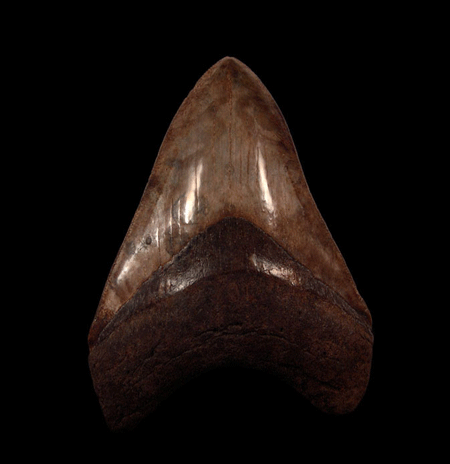
Buying a Megalodon tooth feels like buying a real piece of ocean history. These giant sharks lived millions of years ago, and their teeth are some of the most exciting fossils you can own. But there’s one big catch: because Megalodon teeth are popular, the market also attracts copies, “too-good-to-be-true” listings, and teeth that have been altered without clear disclosure. If you’ve ever wondered megalodon tooth fake vs real, you’re asking the exact right question—and you’re already shopping smarter than most people.
Why Fake Megalodon Teeth Fool Buyers
Most people imagine a fake tooth is always obviously plastic. In real life, it’s not always that simple. Some fake teeth are resin casts made from a real tooth mold, so they look convincing in photos. Others are real shark teeth that have been shaped, stained, or polished to look older and larger. And sometimes the tooth is real, but repaired in a way that changes how it looks—like rebuilt tips, filled cracks, or glued sections that weren’t mentioned clearly in the listing. That’s why it helps to focus on clues that are hard to fake: natural texture, realistic wear, and details that come from fossilization.
Check The Surface For Natural Texture
A real fossil tooth usually shows a “lived-in” look. That doesn’t mean it has to be damaged, but it often has tiny pits, subtle roughness, and small imperfections from spending a very long time in nature. Real teeth rarely look like they came out of a factory. Be careful if a tooth looks too perfect—super smooth, super glossy, or evenly colored like it was painted. Many replicas and heavily altered teeth have that “new” feel. When you’re shopping online, ask for close-up photos in natural light (not harsh flash), because that’s where surface texture shows best.
Weight And Feel Can Reveal A Lot
If you can hold the tooth (or if the seller provides the weight), pay attention to density. Fossils often feel heavier than you expect because minerals replace the original material over time. A large tooth that feels strangely light can be a warning sign, especially if other details feel off too. When you can’t hold it, a simple question helps: “What is the weight in grams?” A trustworthy seller will usually answer quickly, because it’s a normal buyer question.
Look Closely At The Root And Edges
Real Megalodon teeth have a root area that often shows natural structure—uneven shapes, small holes, and texture that doesn’t look “molded.” Then check the blade (the triangle part). Megalodon teeth are known for serrations, but those serrations don’t always survive perfectly. Natural wear, small chips, and unevenness are common and can actually be reassuring. What you want to avoid is a tooth where the serrations look carved in a perfectly repeating pattern, or the edges look freshly cut. In the megalodon tooth fake vs real debate, “perfect” is often suspicious.
Watch For Color That Looks Real, Not Painted
Many authentic fossil teeth have color variation. You might see darker and lighter areas, subtle banding, or natural staining—because fossils pick up minerals from where they were found. That doesn’t mean every real tooth has a dramatic color, but an overly uniform color can be a red flag, especially if it looks like an even coat of stain. If you see color pooled in cracks or oddly consistent shading across the whole tooth, ask the seller whether it has been dyed or treated.
Conclusion
A Megalodon tooth should feel exciting, not stressful. When you slow down and check texture, weight, edges, and color—and when you ask simple, direct questions—you’ll get much better at spotting megalodon tooth fake vs real differences. The biggest confidence boost comes from choosing a seller who treats transparency like part of the product. Shop smart, ask questions, and buy from a dealer that stands behind their fossils. Do that, and your Megalodon tooth won’t just be a cool purchase—it’ll be a collectible you can feel proud to own and share.






