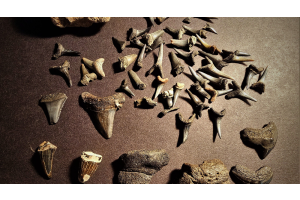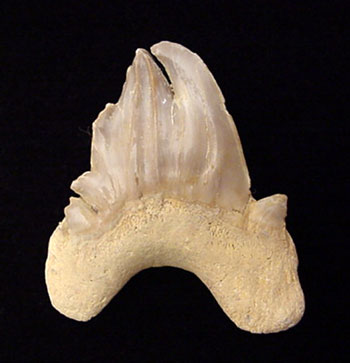
A megalodon tooth is exciting all by itself. But a pathological megalodon tooth is even more attention-grabbing, because it looks unusual in a way nature created. Maybe the crown twists, the tip splits, or the shape bends in a strange direction. These fossils don’t look “perfect,” and that’s exactly why collectors love them—they’re rare, they’re memorable, and they feel like a real piece of the ocean’s history. Let’s understand how to buy a pathological megalodon tooth for sale without overpaying. We’ll keep it simple, practical, and easy to follow, so you feel confident from the first click to the final purchase.
Understand What “Pathological” Means
“Pathological” sounds complicated, but it just means the tooth formed in an unusual way while the shark was alive. Think of it like a leaf that grows with a curl or a tree branch that bends oddly. It’s still real and natural—just different. That difference matters because it changes how collectors value the tooth. A common, normal tooth might be judged mostly on size and condition. A pathological one is judged on those things too, but also on how clear and interesting the deformity is. When the “odd” shape looks natural and easy to see, it becomes more desirable.
Know What Really Makes The Price Go Up
If you want to avoid overpaying, you need to understand what you’re actually paying for. A fair price usually comes from a mix of three big things: size, condition, and uniqueness. Size is simple—bigger teeth tend to cost more because they’re harder to find. Condition matters because chips, heavy wear, and missing root sections reduce value. Uniqueness is where pathological teeth shine: a strong twist or a split crown can make a tooth feel truly one-of-a-kind.
Here’s the key: some sellers price a tooth as if it has all three (big, clean, and extremely unique) when it really only has one. That’s where buyers get stuck paying too much. So when you see a listing, slow down and ask yourself: “Am I paying for size, condition, or the deformity—and is the tooth truly strong in all those areas?”
Watch Out For The Biggest Overpaying Trap: Hidden Repairs
One of the easiest ways to overpay is to accidentally buy a tooth that has been heavily repaired or restored. Repairs aren’t always “bad,” but they must be disclosed, and the price should reflect them. A tooth that is repaired should almost never be priced like a fully natural, untouched specimen.
So how do you spot trouble? Look closely at the photos. If certain areas look oddly smooth, overly shiny, or like they were “filled in,” that can be a sign of restoration. If the root looks too perfect compared to the crown, that can also be a clue. Good sellers won’t hide these things. They’ll describe the condition clearly and show photos that don’t try to “mask” the tooth.
Buy From Sellers Who Make The Tooth Easy To Trust
When you’re searching for a pathological megalodon tooth for sale, trust isn’t just a “nice to have.” It’s protection for your wallet. A trustworthy seller makes the tooth easy to understand. They show multiple photos, share measurements, explain condition, and stand behind authenticity. They don’t pressure you with hype. They let the fossil speak for itself.
This is where established fossil retailers stand out. When a store specializes in shark teeth and fossil collectibles, they usually know what collectors care about most: real information, honest condition notes, and a smooth buying experience. That kind of seller helps you avoid overpaying because you’re not guessing—you’re buying based on clear facts.
Conclusion
Buying a pathological megalodon tooth should feel fun, not stressful. The goal isn’t to find the “cheapest” tooth—it’s to find a fairly priced tooth that’s truly special, clearly described, and backed by a seller you can trust. And when you’re ready to purchase, look for a pathological megalodon tooth for sale from a fossil shop that explains each tooth clearly and makes the entire process simple. That’s how collectors buy confidently—and that’s how you avoid overpaying.