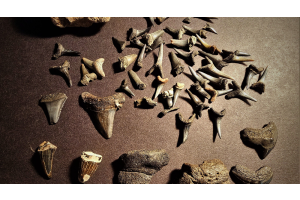
A megalodon tooth isn’t just “a cool fossil.” It’s a real piece of the ocean’s ancient history—something you can hold, display, and talk about for years. But if you’ve ever shopped for one, you’ve probably noticed something confusing: two teeth can look similar at first glance, yet one costs a lot more. That’s not luck or hype. Collectors pay premium prices for teeth that have the right mix of size, beauty, and condition—plus the confidence that the specimen is being represented honestly. Let’s talk about what makes an alpha megalodon tooth stand out in a way that feels natural, not forced.
1) Impressive Size That Looks “Display-Ready”
Size is the first thing most people notice, and collectors definitely care about it. Larger teeth are rarer, especially ones that still look clean and complete. A big tooth also creates instant “wow” on a shelf or in a display case, which is why serious collectors often save their budget for a standout centerpiece. That said, measurements matter more than “it looks huge” in a photo. A seller who provides clear sizing and angles makes it much easier to judge value confidently.
2) A Complete Tip With No Major Chips
The tip is like the finishing touch. When it’s intact, the tooth looks strong and sharp—even if it’s millions of years old. If the tip is heavily chipped or flattened, the tooth can feel less dramatic, and collectors usually pay less. Minor wear is normal, but a clean, complete tip helps the tooth keep that classic megalodon silhouette collectors want.
3) Smooth, Healthy-Looking Enamel
Enamel is the outer surface of the crown (the top part of the tooth). Premium teeth usually have enamel that looks solid and well-preserved. When enamel is heavily worn, flaky, or damaged, the tooth can lose its “fresh” look, even if the tooth is large. Collectors pay extra for enamel that appears clean and stable because it photographs better, displays better, and simply looks more impressive.
4) Clear Serrations Along The Edges
Megalodon teeth often have serrations—tiny saw-like notches along the edges. When those serrations are still visible, the tooth looks detailed and fierce. Over time, water movement and sand can smooth those edges down, so intact serrations can be a real value booster. If you’re shopping online, good close-up photos of the edges are a big plus, because they help you confirm what’s actually there.
5) A Distinct Bourlette That Adds Character
The bourlette is the banded area between the crown and the root. Collectors love it because it can add contrast and texture, making the tooth look more unique. A bold, well-defined bourlette often makes a tooth feel “complete,” like it has strong visual separation between the crown and root. It’s one of those details that doesn’t sound important—until you compare two teeth side by side and suddenly one looks more striking.
6) A Full Root That Feels Strong And Balanced
A tooth can have a beautiful crown, but if the root is missing large sections or has major damage, collectors tend to value it less. A full root makes the tooth look balanced and display-ready. It also helps the tooth sit better in stands. Small natural wear is normal, but a thick, intact root gives that “finished” look collectors are willing to pay for.
7) Honest Presentation And Trustworthy Details
This trait isn’t part of the fossil itself, but it matters just as much. Premium collectors pay more when they can trust what they’re seeing. That means clear photos, accurate measurements, and straightforward notes about conditions. If a tooth has any restoration, serious buyers expect it to be disclosed. When a fossil shop is transparent and consistent, buyers feel confident spending more—because they know they won’t be surprised when the tooth arrives.
Conclusion
Collectors don’t pay more for one single feature. They pay more when everything works together: impressive size, a clean tip, strong enamel, visible serrations, an attractive bourlette, a solid root, and trustworthy presentation. When those traits line up, the tooth isn’t just “nice”—it becomes a true centerpiece. So if you’re shopping for an alpha megalodon tooth, use these seven traits as your simple checklist. You’ll spot quality faster, avoid the most common buying mistakes, and end up with a fossil that looks amazing in person—not just in photos. And if you’re purchasing from a specialized fossil seller, choose listings that make these traits easy to verify with clear images and honest descriptions.