

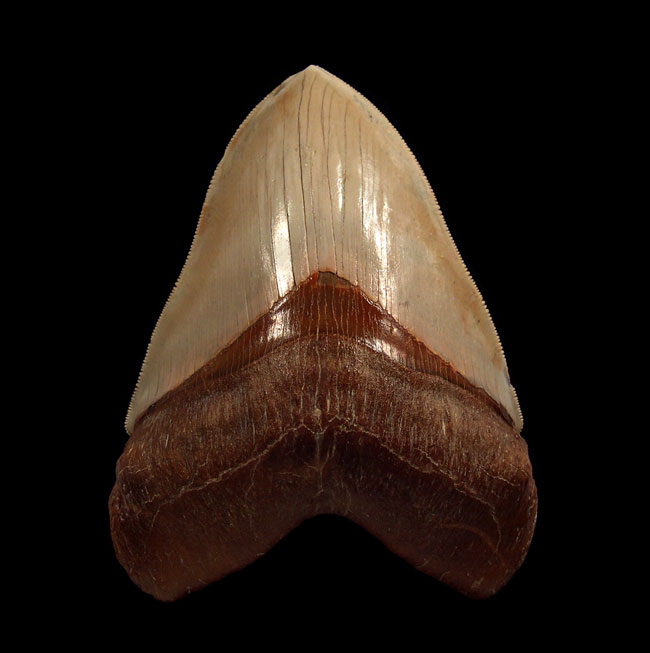
It’s hard not to stare at a Megalodon tooth. Even if you don’t know much about fossils, you instantly get it: this came from something massive. That’s why the Chile discovery making waves right now feels so exciting. A tooth being discussed as the largest megalodon shark tooth ever found isn’t just a fun headline—it’s the kind of find that gets the entire fossil world talking, from scientists to everyday collectors. And it also reminds people why fossil shops that focus on authenticity and education—like Buried Treasure Fossils—matter so much when a discovery sparks new interest.
Understanding Megalodon Teeth In A Simple Way
Megalodon was an ancient shark that lived millions of years ago. Sharks don’t leave many “bones” behind because their skeletons are made mostly of cartilage, which breaks down over time. Teeth, however, are strong and built to last. That’s why so many of the best Megalodon fossils we have today are teeth—and why teeth carry so much information.
A tooth can hint at what the shark ate, how it hunted, and how it may have grown. The shape and thickness tell one part of the story. The cutting edges tell another. Even the color can be a clue, because minerals in the ground slowly stain fossils over long periods. So, when one tooth is unusually large, it draws attention not only for its size, but also because it could support new questions about how large Megalodon individuals could get and how they varied across different oceans.
Why A Record-Sized Tooth Changes The Fossil Conversation
A tooth being called the largest megalodon shark tooth ever found turns heads because “largest” isn’t just a brag—it’s a data point. Fossil researchers often use tooth measurements when they compare Megalodon finds across regions. When an extreme specimen shows up, it can help scientists refine old ideas and test new ones. It becomes a benchmark: a “top end” example that people will reference when discussing Megalodon size, growth, and habitat.
It also changes how people think about the fossil record itself. If a tooth that large is found and documented, it suggests there may be more significant finds waiting in places we haven’t fully explored yet. That kind of possibility is exactly what keeps the fossil world buzzing.
Why Chile Is Getting So Much Attention
Chile isn’t random in this story—it’s important. The coastline has areas with ancient marine deposits, which means rocks there can hold remains from long-ago ocean life. Over time, ocean sediments stack into layers, and fossils can become trapped and preserved inside them. When a major Megalodon tooth appears in Chile, it doesn’t just highlight the tooth—it highlights the region.
That’s why this discovery matters beyond the “wow” factor. It nudges collectors and researchers to look at Chile as a serious part of the Megalodon map. And the more attention a fossil region gets, the more likely it is that future finds will be studied, verified, and shared in a way that benefits everyone who loves marine fossils.
Why Collectors Care And Why Trust Matters
Big discoveries often do something predictable: they bring new people into the hobby. Someone reads about a giant tooth, gets curious, and suddenly wants one of their own. That excitement is great—until someone buys a fossil without knowing what they’re actually getting. With teeth, especially large ones, authenticity and honest description matter a lot. Some fossils are naturally worn, chipped, or imperfect—and that’s normal. Others may be repaired or restored, and restoration can be acceptable if it’s disclosed clearly.
Conclusion
At the end of the day, the Chile discovery is exciting for a simple reason: it makes the ancient ocean feel real. A tooth being talked about as the largest megalodon shark tooth ever found isn’t just impressive—it’s a reminder that Earth still holds surprises, and that fossils are one of the clearest ways to touch deep history. And if this story sparked your curiosity, that’s the best outcome. Whether you’re learning, browsing, or building a collection, the most enjoyable path is the same: choose well-described, authentic fossils from a source that respects the history behind them.






