

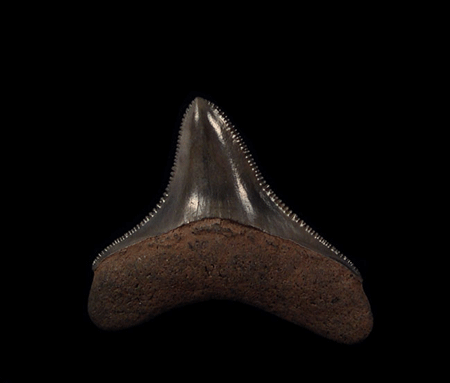
If you’ve ever seen a megalodon tooth up close, you know it doesn’t feel like a “normal” fossil. It’s huge, sharp, and instantly makes you imagine a monster shark cruising through ancient oceans. Now here’s where things get even more exciting: sometimes researchers and fossil hunters report a new megalodon tooth found in younger rock or sediment layers than expected. That one detail—younger layers—can turn a cool fossil into a serious talking point, because it may connect to the final part of megalodon’s story. For collectors, this matters for two big reasons. First, it adds scientific curiosity: did megalodon survive longer than we thought, or did nature move the tooth into a younger layer later? Second, it raises the value of something collectors care about deeply—context.
What “Younger Layers” Really Mean
Think of the Earth like a big stack of blankets. Over a very long time, sand, mud, and tiny pieces of rock settle and pile up. Then pressure turns those piles into layers. Usually, the deeper you go, the older the layers are. And the closer to the surface you are, the younger the layers are. So when a fossil shows up in a younger layer, it can suggest that the fossil is from a more recent time period—at least at first glance. This is why a new megalodon tooth found in younger layers grabs attention. Megalodon lived long ago, and scientists use fossils to understand when it appeared, how it lived, and when it disappeared. When a tooth appears in a layer that seems “later” than expected, it can push people to ask bigger questions about the timeline.
Why This Is So Important For Megalodon
Megalodon is known mostly from teeth, because shark skeletons are made of cartilage, which doesn’t fossilize as easily as bone. That means teeth are the main clues researchers and collectors have. Scientists generally place megalodon’s extinction around the later part of the Pliocene, but the exact details of “when” and “why” are still studied and debated. So when a tooth shows up in a younger deposit, one possibility is exciting: maybe megalodon lived a little longer in some areas than we previously believed. Another possibility is just as interesting: the tooth may be older, but it was moved into younger sediments later by ocean action. Either way, the discovery matters because it tells us something—about the animal itself, or about the powerful forces in rivers and seas that shift fossils around over time.
Could The Tooth Have Moved Into A Younger Layer?
Yes, and this is where collectors benefit from understanding the basics. Fossils don’t always stay exactly where they first settled. Strong currents, storms, waves, and shifting seabeds can pick up older fossils and deposit them into newer layers. This is one reason why context is everything. A tooth might be millions of years old, but the sand or gravel around it could be younger because it was re-deposited later.
That doesn’t make the tooth “fake” or “less real.” It just means the story is more complex, and it needs careful interpretation. For collectors, this is a reminder: knowing where a tooth was found, and how it was recovered, makes a huge difference in understanding what you’re buying and why it’s special.
Conclusion
A megalodon tooth is always an amazing find, but a new megalodon tooth found in younger layers can be something extra: a clue that sparks questions about megalodon’s final years and a reminder that fossil collecting is about more than just size. The “where” and “how” matter, because they turn a tooth into a piece of real history with a traceable story. For collectors, the smartest move is simple—choose fossils with clear context and reliable sourcing. When you do, you’re not just buying a tooth. You’re adding a well-understood piece of the ancient ocean to your collection, and that’s what makes the hobby exciting year after year.






