Page 39 - Home Page Latest Post
- - December 04, 2025
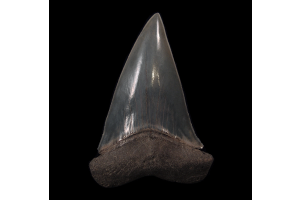
The ocean has always kept its secrets well. From the hush of the deep blue to the fossils hidden in ancient sands, every discovery reveals whispers of what once ruled the seas. Among these relics lies something so small yet so astonishing—a baby megalodon tooth. Though miniature compared to the adult’s formidable size, it carries an ancient story of beginnings, evolution, and oceanic dominance.
It’s fascinating to think that even the tiniest fossil fragment can hold echoes of creatures that once swam the waters millions of years ago. This isn’t merely a collector’s find—it’s a window into the prehistoric world.
Tracing the Origin of a Giant
Imagine holding a piece of history between your fingers, one that predates humans by millions of years. A megalodon, often hailed as the largest shark that ever existed, began its life much like any other creature—in miniature form. Its early teeth, more minor yet intricately detailed, hint at the massive predator it would become.
Every ridge, curve,
- - December 04, 2025
If you have ever wanted to own a piece of ancient history, the Otodus megalodon, So. Carolina teeth are an incredible choice. These giant shark teeth are more than just fossils; they show us the power of one of the largest predators to ever swim the oceans. In this blog, we will explore what makes these teeth from South Carolina so special, why collectors love them, and how you can be part of this exciting prehistoric story.
What Is the Otodus Megalodon?
The Otodus megalodon was a giant shark that lived millions of years ago. It could grow over 60 feet long, which is longer than a school bus. Its teeth are huge and very sharp, with some teeth measuring over seven inches. These teeth are the most common remains we have of this massive shark because its cartilage skeleton did not fossilize well.
Many of these teeth come from the coastal areas of South Carolina. They are dark gray or black, showing how they fossilized in the region’s soil over thousands of years. These teeth are highly
- - December 04, 2025
Buying or grading a Megalodon tooth should feel straightforward. On Buried Treasure Fossils, you can judge a specimen using the same signals you see in the listings: size, condition features, locality, eye appeal, and authenticity. The Megalodon category also groups teeth by size tiers and locations, which makes side-by-side comparisons easy before you buy.
Size: The First Quality Signal
Size draws the eye first. Megalodon teeth can exceed 7 inches, but most legitimate specimens rarely exceed 6 to 6½ inches. The site even has a dedicated “6 inch” grouping to help you find showpieces quickly. If two teeth have similar conditions, the larger tooth typically commands the premium.
Collectors also notice the presentation. Most 5-inch-plus teeth on the site come with a custom stand. That matters for heavy crowns that should be supported in a display.
Condition: What the Details Reveal
Condition tells you how well a tooth survived time and transport. Listings highlight these details, and you can
- - December 04, 2025
If you’re asking how much is a megalodon tooth, the short answer is: it depends on size, condition, locality, and, yes, standout color and luster. On Buried Treasure Fossils, vividly colored or glossy, museum-grade pieces command premium prices. Below, you’ll see real examples from the site to anchor expectations, plus a simple checklist to judge value the same way a seasoned collector would.
Why Color and Luster Change The Price
Color isn’t just “nice to have.” It signals the mineral chemistry and preservation of the sediment where the tooth fossilized. Jet blacks, copper reds, creamy tans, blue-and-tan gradients, and high-gloss enamel can lift a specimen into a higher tier, especially when matched with size and crisp serrations. Buried Treasure Fossils highlights these traits in its listings and organizes teeth by celebrated localities and color categories, including BLACK Megalodon, Copper Red (Meherrin River, NC), Caribbean light-toned enamel, Sharktooth Hill blue-and-tan pieces, and
- - December 04, 2025
Collectors today face a growing challenge in acquiring one particular fossil: the Aurora megalodon tooth. Known for its sharp preservation, striking coloration, and regional rarity, this fossil once flowed into collector markets through a reliable source. That source, the Lee Creek mine near Aurora, supplied tooth specimens with unmatched characteristics. However, as access to this site has closed and collector behavior has shifted, these prized fossils have become harder to find. Understanding why this change matters helps both new and seasoned fossil hunters navigate a tightening and more competitive marketplace.
Why the Aurora Megalodon Tooth from Lee Creek Stood Out for Discovery?
The Lee Creek mine earned global recognition for the fossilized marine life it preserved beneath its phosphate-rich layers. Among the many finds, the megalodon teeth stood out for their exceptional size, high-quality enamel, and region-specific colors. Collectors could identify the origin of many teeth at
- - December 04, 2025
At our fossil collection, we take pride in offering specimens that capture the timeless beauty of Earth’s ancient past. Among them, the Otodus megalodon from Indonesia holds a special place. These remarkable fossils have fascinated us with their exceptional preservation, color, and structure.
Each specimen allows us to glimpse into a prehistoric world where colossal predators once ruled the oceans. Their natural artistry and geological perfection make them among the most captivating fossils we offer.
Geological Origin and Preservation
The story of Indonesian Otodus megalodon teeth begins deep within the limestone formations of West Java. These fossils are often recovered from the Bentang Formation, a geological layer that dates to the Middle Miocene epoch, around 10 to 15 million years ago. Within this limestone, the teeth have remained protected for millions of years, allowing them to retain their detailed structure and natural sheen.
Because these fossils were buried under stable
- - December 04, 2025
Somewhere along a quiet shoreline, the tide pulls back and reveals a fragment of time—dark, triangular, and gleaming faintly beneath the sand. Your heart skips a beat as you realize it could be something extraordinary: a relic from one of the most formidable predators that ever lived. Long before humans walked the earth, the megalodon dominated the seas. Today, finding a megalodon tooth connects us to that ancient past in a tangible way, letting us hold millions of years of history in our hands.
The thrill of such a discovery isn’t just about the fossil itself; it’s about the moment of recognition—the instant when you realize you’ve unearthed a piece of Earth’s forgotten story.
Why These Ancient Giants Still Fascinate Us
Megalodons, often measuring more than fifty feet long, once ruled the oceans with unmatched strength. Their massive teeth—some over seven inches—were designed for crushing bone and devouring large prey. Although they disappeared around three million years ago, their presence
- - December 04, 2025
The prehistoric oceans were home to some of the most formidable predators the world has ever known. At the very top of that food chain was the Otodus megalodon, a creature so massive and dominant that its legacy continues to captivate fossil enthusiasts to this day. At Buried Treasure Fossils, we are proud to offer rare and museum-quality fossils that bring the grandeur of this ancient predator back to life.
One of the most remarkable pieces in our collection is a 6-5/16" Top Quality Megalodon tooth from Georgia. This extraordinary specimen is from the upper jaw’s Principal Anterior position and stands out for its sheer size, deep gray-blue coloration, and excellent preservation. Weighing over 1.25 pounds and featuring sharp serrations with a bold root structure, this is not just a fossil — it's a timeless treasure that speaks volumes about Earth's ancient marine life.
If you're searching for a true showstopper, this Megalodon tooth is an unbeatable addition to your fossil display.
A
- - December 04, 2025
Collectors and fossil buyers do not look for decorations. They search for authenticity. A real Megalodon tooth stands apart because it holds the raw signature of time. You can feel it in the weight, see it in the enamel, and trace its story through natural wear that no copy can fake. No mold, no paint, and no machine can imitate millions of years beneath the Earth. That is why buying without proof opens the door to disappointment. When you explore genuine megalodon teeth for sale, always focus on proof of origin and condition before you buy. The rise of replicas makes knowledge your best tool. If you want truth in your hands, you must shop with that mindset.
Replicas Hurt More Than Just Value
The problem is not just aesthetics. It is trust. Many sellers post bold claims with no factual background. They offer low-priced fossils that look right in photos but arrive as resin casts. These imitations mislead first-time buyers and frustrate serious collectors. If you invest in fossils without
- - December 04, 2025
If you’re searching where to find megalodon teeth in Texas, here’s the short answer: Texas is a fantastic state for Cretaceous shark teeth, but it is not a hotspot for Megalodon. That isn’t bad news, it’s an opportunity to focus your hunt legally and safely, and to build a collection with authentic Megalodon teeth sourced from proven localities worldwide.
What Buried Treasure Fossils Sells
Buried Treasure Fossils specializes in authentic fossil shark teeth (including Megalodon), plus dinosaur fossils and more, serving both collectors and buyers who need quantity (e.g., classrooms, gift shops). The store maintains a dedicated Megalodon catalog with pieces from classic U.S. and international sites and also carries bulk shark teeth for economical purchases.
Why this matters: if your end goal is to own a Megalodon tooth, you don’t have to find it in the field. You can select a verified specimen from Florida, Georgia, the Carolinas, California (Sharktooth Hill), Chile, Peru, and more—precisely