Page 37 - Home Page Latest Post
- - December 04, 2025
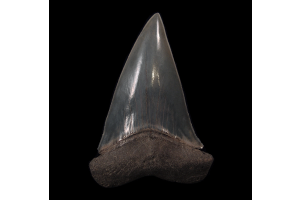
At Buried Treasure Fossils, we’re proud to bring you some of the most extraordinary fossil specimens from around the world. One of our most striking offerings is a Black Megalodon tooth from a new fossil site in West Java, Indonesia. This isn’t just any fossil — it’s a truly captivating piece from the upper jaw of the most formidable predator the ocean has ever known: Carcharocles megalodon. With its deep black enamel, nearly flawless bourlette, and razor-sharp serrations, this tooth is a showcase of both prehistoric power and natural artistry.
In this blog, we invite you to explore what makes this particular specimen so special, why it stands out in the fossil world, and how owning such a piece offers a unique connection to Earth’s ancient past.
A Glimpse Into Prehistoric Depths
The Megalodon ruled the oceans during the Miocene era, a time long before humans roamed the Earth. This apex predator’s sheer size and strength are legendary — some estimates suggest they grew over 50 feet in
- - December 04, 2025
Collectors do not chase fossils without reason. They want pieces that tell a story, show rarity, and hold real market value. When they find an 8-inch megalodon tooth, they know they have discovered something that checks all those boxes. These massive fossil teeth draw more than casual interest. They attract serious attention from investors, fossil hunters, and natural history collectors who understand why size, condition, and sourcing can significantly increase value. Let us break down exactly what makes these fossils worth over $10,000.
8 Inch Megalodon Tooth Size Signals Prestige in the Fossil World
Not every Megalodon tooth deserves a second glance. Many teeth range from three to six inches in length. Those remain common by comparison. An 8-inch specimen tells a different story. It points to a prehistoric predator that likely stretched beyond sixty feet. Only a fraction of discovered Megalodon teeth ever reach that size. This level of scarcity turns these fossils into icons. The size
- - December 04, 2025
The prehistoric oceans were home to some of the most formidable predators the world has ever known. At the very top of that food chain was the Otodus megalodon, a creature so massive and dominant that its legacy continues to captivate fossil enthusiasts to this day. At Buried Treasure Fossils, we are proud to offer rare and museum-quality fossils that bring the grandeur of this ancient predator back to life.
One of the most remarkable pieces in our collection is a 6-5/16" Top Quality Megalodon tooth from Georgia. This extraordinary specimen is from the upper jaw’s Principal Anterior position and stands out for its sheer size, deep gray-blue coloration, and excellent preservation. Weighing over 1.25 pounds and featuring sharp serrations with a bold root structure, this is not just a fossil — it's a timeless treasure that speaks volumes about Earth's ancient marine life.
If you're searching for a true showstopper, this Megalodon tooth is an unbeatable addition to your fossil display.
A
- - December 04, 2025
Fossil collectors often search for more than just size or shape. They want character, geological history, and something visually striking. That is where a megalodon tooth in North Carolina stands apart. One glance at its deep red or copper color and curiosity follows. Why do these teeth look different from others found across fossil-rich regions? The answer lies below the surface. Red coloration does not happen by chance. It reflects millions of years of chemical processes, Earth's geological history, and a unique environment. Let us explore why these fossils carry such an eye-catching hue.
Red Coloration Begins in the Ground
Soil chemistry plays a significant role in the transformation of fossils over time. North Carolina offers a unique blend of sediment, water movement, and mineral composition. The ground here contains a higher concentration of iron compared to other regions. When a megalodon tooth rests buried in this iron-rich environment, it absorbs that element gradually. Over thousands
- - December 04, 2025
Long before diamonds and gold became status symbols, nature crafted treasures that told stories millions of years old. Among the most fascinating of these relics is the megalodon tooth necklace, a striking blend of science, style, and prehistory. This unique piece of jewelry captures the essence of the ancient oceans while celebrating the marvels of modern craftsmanship. At Buried Treasure Fossils, we take pride in connecting collectors, scientists, and enthusiasts with authentic specimens that are both awe-inspiring and educational.
A Glimpse Into the Prehistoric Ocean Giant
The Megalodon, whose name literally means “large tooth,” was one of the largest predators to ever exist. Estimated to reach lengths of up to 60 feet and weights exceeding 70 tons, this ancient shark roamed the oceans during the Miocene and Pliocene epochs. Its fossilized teeth — often measuring over seven inches — remain some of the most iconic and sought-after fossils in the world. The megalodon tooth necklace
- - December 04, 2025
Long before humans walked the Earth, colossal predators roamed the oceans—creatures so massive their very presence shaped marine ecosystems. Today, remnants of these giants are found not in the depths of the sea, but in the hands of students, collectors, and educators exploring Earth’s past. Among the most fascinating of these prehistoric relics are megalodon teeth for sale, connecting classrooms and collections around the world to a time when oceans were ruled by a true titan.
The Ocean’s Apex Predator
The Megalodon, whose name means “big tooth,” was not just another prehistoric shark—it was the largest one to ever live. Growing up to 60 feet in length, this ancient predator dwarfed even the great white shark. Its bite force, estimated at up to 180,000 newtons, could crush the bones of whales, its favorite prey. With serrated, triangular teeth measuring over seven inches long, the Megalodon’s jaw could open wide enough to engulf an adult human with ease. These powerful adaptations made
- - December 04, 2025
Somewhere along a quiet shoreline, the tide pulls back and reveals a fragment of time—dark, triangular, and gleaming faintly beneath the sand. Your heart skips a beat as you realize it could be something extraordinary: a relic from one of the most formidable predators that ever lived. Long before humans walked the earth, the megalodon dominated the seas. Today, finding a megalodon tooth connects us to that ancient past in a tangible way, letting us hold millions of years of history in our hands.
The thrill of such a discovery isn’t just about the fossil itself; it’s about the moment of recognition—the instant when you realize you’ve unearthed a piece of Earth’s forgotten story.
Why These Ancient Giants Still Fascinate Us
Megalodons, often measuring more than fifty feet long, once ruled the oceans with unmatched strength. Their massive teeth—some over seven inches—were designed for crushing bone and devouring large prey. Although they disappeared around three million years ago, their presence
- - December 04, 2025
When a man finds a tooth of megalodon in an area most collectors overlook, the discovery forces a shift in how we think about fossil hunting. That single moment speaks to something larger. It challenges the notion that only well-known fossil sites are significant. It reminds us that ancient remnants often lie buried in places where people abandon or ignore them. For fossil collectors, this becomes a real opportunity. This discovery revives questions about land, erosion, timing, and strategy. It opens the door for fresh exploration in spaces we once considered exhausted or unpromising.
Why This Discovery Demands a Fresh Look
Most seasoned collectors follow routines. They search in rivers known for marine fossils or visit places where past discoveries have often happened. That pattern makes sense. These areas build reputations because they deliver. But fossils do not follow public memory. Sediment moves. Water uncovers. Wind and rain reshape the land. What lay hidden ten years ago may now
- - December 04, 2025
When it comes to fossils, few specimens capture the imagination quite like the massive teeth of the Megalodon. These serrated relics, some measuring over 6 inches, are not just prized collectibles but powerful clues to the size, habits, and dominance of one of the largest predators to ever live. As fossil specialists, we often get asked: how big was the megalodon tooth, and what does that tell us about the shark itself? The answer lies in careful observation, measurement, and understanding of ancient marine ecosystems.
What Qualifies as a Large Megalodon Tooth?
A Megalodon tooth crosses into “giant” territory once it exceeds the 6‑inch mark in slant height, a diagonal measurement from the tip of the tooth to the corner of the root. Most recovered teeth measure between 3 and 5 inches. Specimens beyond 6 inches are extremely rare and tend to come from mature sharks preserved in ideal fossilization conditions.
To put that into perspective, a 6‑inch Megalodon tooth is roughly the length of
- - December 04, 2025
When it comes to collecting fossilized shark teeth, few pieces carry the same weight, both literally and figuratively, as a genuine Megalodon tooth measuring six inches or more. These fossils are not just remnants of the largest predatory shark to have ever lived; they’re tangible links to the prehistoric world. As enthusiasts, we understand the excitement of adding such a prized specimen to your collection. That’s why knowing what to look for is key, especially when exploring listings that include a rare 7-inch megalodon tooth for sale (the largest examples of Otodus megalodon teeth exceed 7 inches in length and are extremely rare).
Whether you're a first-time buyer or a seasoned fossil collector, this guide will walk you through the most important factors to evaluate before making your investment.
Why the 6-Inch Mark Matters
A Megalodon tooth that reaches or exceeds six inches is exceptionally rare. Most fossilized teeth from this extinct shark species fall in the 3 to 5-inch range. Reaching