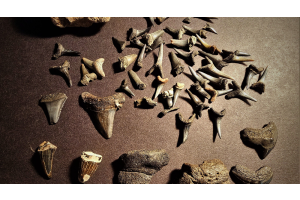
Fossil collectors and enthusiasts have long been fascinated by megalodon teeth, but knowing what they’re really worth can be confusing. With sizes ranging from just a few inches to over seven, and prices that vary widely, the value of a megalodon tooth isn't always obvious. As fossil lovers ourselves, we’ve spent a lot of time studying these ancient remnants to understand the many variables that influence their market value. If you’re wondering about megalodon tooth worth, this guide offers a clear and reliable breakdown, based on size, condition, and collector demand.
Size Is the Starting Point
The most immediate factor affecting the price of a megalodon tooth is its size. Typically measured along the longest slant, the majority of commercially available specimens fall between 3 and 5 inches. These mid-range teeth often sell for anywhere between $50- $500, depending on additional features like condition and color.
Larger specimens, especially those exceeding 6 inches, are significantly rarer and command higher prices. A 6-inch tooth in excellent condition may start around $1,500 and reach as high as $3,000 or more. Once a tooth hits the 6.5-inch mark or higher, the rarity increases dramatically. These pieces often become investment-grade fossils and are priced accordingly, often exceeding $5,000.
Condition Can Double or Halve the Price
To understand megalodon tooth worth, you must consider the condition just as much as the size. Collectors evaluate conditions based on how intact the tooth is: whether the root is preserved, the serrations are visible, and whether the enamel is free from chips or wear.
A 6-inch tooth with a chipped root or worn serrations could be worth less than a smaller tooth that is fully intact. Restoration also plays a role. Teeth that have been repaired or restored are still collectible, but their value is typically lower than that of a natural, untouched specimen of the same size and type.
Color, Shape, and Origin Add Layers of Value
Beyond size and condition, subtle details can greatly influence the final price. Color is a major factor for collectors. While most megalodon teeth are shades of gray or brown, those with deep black, gold, or blue hues often attract premium pricing. These colors are not artificially added but are a result of the minerals present in the sediment where the tooth fossilized.
The symmetry and overall shape also affect megalodon tooth worth. Teeth with a balanced triangular form, crisp edges, and sharp tips are more desirable. Even subtle curve variations can increase aesthetic appeal and, consequently, market value.
Lastly, where the tooth was found matters; specimens from regions like the Southeastern United States (especially South Carolina and Florida) are highly sought after due to the consistent quality of finds in those areas. Teeth from offshore sites often have better preservation due to being buried in sediment, which shields them from erosion.
Authenticity: Why It Matters and How to Confirm It
With rising prices, forged and misrepresented fossils have unfortunately become more common. Authentic megalodon teeth are tens of millions of years old and formed through a natural process of fossilization. However, some sellers pass off modern shark teeth as megalodon, or even fabricate composite fossils from broken parts.
Collectors should purchase only from trusted sources that provide clear information about provenance, restoration, and grading. Look for natural wear patterns, mineralization, and weight consistency when assessing a tooth in person. Photographs alone can sometimes be misleading, especially if lighting has been manipulated.
Certificates of authenticity can offer peace of mind, but these are not industry-standardized. That’s why experienced collectors often prefer to rely on reputation and physical inspection when possible.
Rare Features that Increase Value
Certain traits are especially prized and can push the value of a tooth much higher. For example, a tooth with visible, sharp serrations from tip to root is significantly rarer and more desirable. A bourlette, the glossy band between the root and blade, is another highly valued feature when intact and clearly visible.
Occasionally, teeth are found with feeding damage or signs of wear that add character. While this might seem like a defect, such features can be appealing to some collectors as they suggest the tooth was actively used in hunting and not simply shed.
These rare qualities can raise megalodon tooth worth considerably above average market prices, especially when paired with size and pristine condition.
What You Can Expect at Different Price Points
Here’s a simplified breakdown of what to expect at common price ranges:
● Under $100: Typically smaller teeth (3 to 4 inches), may have chips, wear, or restoration.
● $100 to $500: Mid-size teeth in decent condition, possibly with minor imperfections
● $500 to $1,500: Larger teeth (5 to 6 inches), good condition, natural coloration, little to no restoration
● $1,500 to $3,000: Exceptional condition 6-inch or larger teeth, symmetry, and intact bourlettes
● $3,000 and above: Investment-grade specimens, 6.5 inches or larger, with sharp serrations, rare color, and flawless preservation
Prices can vary, of course, but these benchmarks give a reasonable idea of where a particular tooth might fall based on its attributes.
Is It Worth Investing In a Megalodon Tooth?
While many collectors buy megalodon teeth out of personal passion, there is a growing interest in them as collectible assets. Scarcity is a real factor. These teeth are no longer forming, and many fossil sites have become regulated or depleted, reducing the flow of high-quality specimens to the market.
That said, not all megalodon teeth appreciate in value. Investment-grade specimens, those that are large, pristine, and rare, tend to hold or increase in value over time. However, casual buyers should prioritize the enjoyment and educational value of owning a piece of prehistoric history rather than treating it purely as a financial asset.
Buying Advice for First-Time Collectors
If you’re new to fossil collecting, start by deciding what matters most to you: size, appearance, or authenticity. Avoid impulse purchases based on photos alone. Read detailed descriptions, ask questions, and understand restoration levels before buying.
It helps to view specimens side by side to understand how small changes in condition or color can dramatically shift pricing. Don’t hesitate to begin with a smaller, affordable specimen and upgrade over time as you learn more about what appeals to you as a collector.
Conclusion: The Real Value Behind the Tooth
Ultimately, the megalodon tooth's worth is shaped by a mix of size, condition, rarity, color, and source. Prices range widely, and there’s a specimen for nearly every budget and collecting goal. Whether you’re looking to own a 3-inch entry-level piece or an extraordinary 7-inch fossil, understanding these variables allows you to make smarter, more satisfying choices.
We believe the value of a megalodon tooth goes beyond price. It connects you with an animal that ruled the oceans over 3 million years ago. For trusted access to authentic specimens and expert-curated collections, explore what Buried Treasure Fossils has to offer.
Explore the collection or contact us now to find the right megalodon tooth fossil that matches your collector goals.