When we talk about the ocean’s most fearsome predators, the megalodon always comes to mind. This prehistoric giant shark lived millions of years ago and left behind fossils that continue to amaze scientists and collectors. Among its most prized remnants are its massive teeth, which raise an intriguing question: how big was the megalodon tooth, and could it be the largest tooth ever found in history?
At Buried Treasure Fossils, we’ve spent years helping collectors and enthusiasts connect with some of Earth’s most incredible remnants from the deep past. One of the most captivating of these is the megalodon tooth found in various locations around the world. These fossils represent a remarkable glimpse into a time when giants ruled the oceans.
A Prehistoric Predator Like No Other
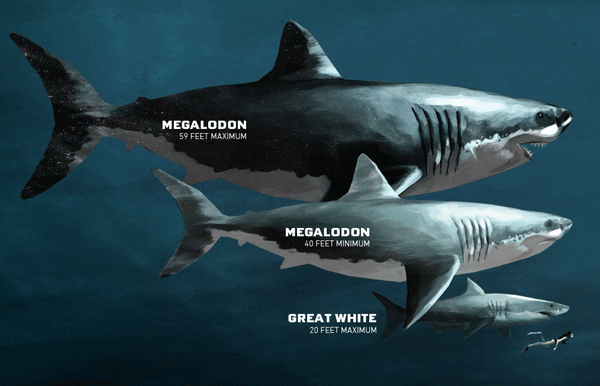
The megalodon, formally named Otodus megalodon, lived approximately between 23 and 3.6 million years ago. As one of the largest marine predators in Earth's history, this shark is believed to have grown up to 60 feet long or more.
Interestingly, unlike bones that decay or dissolve over time, shark teeth fossilize well due to their high mineral content. This means that the megalodon's teeth are some of the most well-preserved pieces of evidence of its existence. These teeth are not just fossilized remains; they are powerful markers of evolutionary history, helping us understand the scale and dominance of this ancient apex predator.
What Makes Megalodon Teeth So Unique?
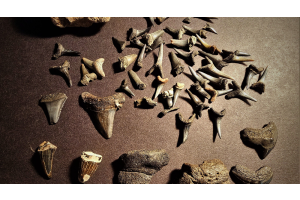
Megalodon teeth stand out due to their impressive size and triangular shape. While typical fossil shark teeth might measure just a couple of inches, megalodon teeth often range between 4 and 6 inches. However, some specimens exceed even that.
The largest verified megalodon tooth found to date measures an astonishing 7.48 inches. It was discovered in South Carolina and remains one of the most talked-about specimens in the fossil collecting community. Though there are whispers of larger teeth in private collections or unverified sources, the 7.48-inch tooth holds the official record. Its size hints at the true scale of these oceanic giants and sparks curiosity about whether even larger examples remain hidden beneath the surface of the Earth.
Global Fossil Discoveries and the Rarity of Giant Teeth
Fossilized megalodon teeth have been uncovered in a wide variety of coastal regions including North America, South America, parts of Europe, Africa, and Asia. Riverbanks, ocean beds, and even inland dig sites have all yielded these prized treasures. Each discovery offers another piece of the puzzle, helping collectors and paleontology enthusiasts appreciate the sheer distribution and reach of the species.
Most commonly, teeth are found between 4 and 5 inches, making those over 6 inches particularly desirable. When a tooth measures beyond 7 inches, it’s considered extremely rare and of exceptional significance. These rare giants instantly gain attention due to their size and historical weight.
At Buried Treasure Fossils, we’ve encountered a wide range of megalodon teeth, including those from rare locations or with exceptional preservation. Each tooth has its own story, and every discovery feels like unveiling a chapter of a forgotten age.
Comparing to Modern Sharks: A Glimpse Into Evolution
Megalodon teeth offer a fascinating contrast to those of modern sharks. The closest living relative often compared to the megalodon is the great white shark. While great white teeth are sharply serrated and smaller in size, the megalodon’s teeth are broader, thicker, and clearly built for overwhelming power.
Collectors love to place these teeth side by side to reflect on nature’s evolution. Seeing them together offers a tangible sense of scale and a visual representation of how the shark lineage has adapted over millions of years. It reminds us that today’s ocean predators are descendants of ancient titans.
Why Megalodon Teeth Remain Collector Favorites
Few fossils evoke the same reaction as a large megalodon tooth. Their weight, their age, and their beauty capture attention immediately. The symmetry, the sharpness of the serrations, and the bold triangular profile all contribute to their allure. Some display amazing coloration from mineralization depending on where they were buried.
For many collectors, acquiring a megalodon tooth is a milestone. It is often considered the centerpiece of a collection. Even broken or worn specimens are appreciated, particularly if they come from rare sites or measure larger than average. These fossils are not just items to display — they are links to a world that existed long before humans walked the Earth.
We understand the thrill of discovering a megalodon tooth found that captures the imagination. That’s why we’re committed to offering specimens that resonate with both new and experienced fossil enthusiasts.
The Enduring Mystery and Majesty of Megalodon Teeth
Despite decades of discoveries, megalodon teeth continue to fuel excitement. Each find raises new questions. Could there still be an even larger tooth hidden somewhere beneath ancient seabeds? What other secrets does the megalodon still keep?
Part of the appeal of collecting these fossils lies in this ongoing sense of wonder. They are not just physical objects but symbols of exploration, mystery, and the raw power of prehistoric life. Each one, no matter its size, connects us to a time when giants dominated the sea.
At Buried Treasure Fossils, we believe every megalodon tooth carries with it a unique tale from a forgotten ocean. Whether you’re a seasoned collector or just beginning your journey, these fossils offer a meaningful way to hold a piece of Earth’s deep-time history in your hands.
Conclusion
Explore the majesty of the megalodon and uncover pieces of the past that still inspire awe today. With each fossil you discover, you're not just adding to a collection — you're connecting with a story millions of years in the making.
Ready to explore? Visit Buried Treasure Fossils and find your own piece of prehistory.
Disclaimer: This blog is intended for informational purposes only. It does not encourage or endorse any unethical or illegal practices related to fossil collection. Please always adhere to local laws and regulations and practice environmental responsibility.