

When we talk about the ocean’s most fearsome predators, the megalodon always comes to mind. This prehistoric giant shark lived millions of years ago and left behind fossils that continue to amaze scientists and collectors. Among its most prized remnants are its massive teeth, which raise an intriguing question: how big was the megalodon tooth, and could it be the largest tooth ever found in history?
Let’s dive into what makes these fossils so special, how they compare to modern shark teeth, and why they remain a powerful connection to Earth’s ancient seas.
A Prehistoric Predator Like No Other
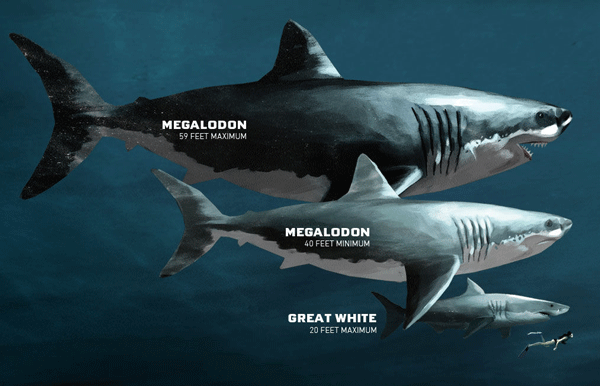
The megalodon (scientifically known as Otodus megalodon) roamed the oceans between 23 and 3.6 million years ago. This massive shark is thought to have reached lengths of up to 60 feet or more, making it one of the largest predators to have ever lived. Unlike bones, which often break down over time, shark teeth fossilize more easily, leaving behind an enduring record of the megalodon’s existence.
These fossilized teeth are the main reason we know so much about the species. Their size, shape, and structure help researchers piece together the feeding habits, diet, and even the likely size of the sharks themselves. But the question still lingers: just how big was the megalodon tooth compared to others, both ancient and modern?
Comparing the Megalodon Tooth to the Great White Tooth
When most people think of shark teeth today, they picture the triangular, razor-sharp teeth of the great white shark. Great white teeth typically measure about 2–3 inches in length. They are designed to cut through the flesh of seals, fish, and other marine animals with efficiency and speed.
By contrast, megalodon teeth dwarf these modern examples. The largest verified megalodon teeth measure over seven inches long and can be nearly as wide. That’s more than double the length of a great white’s tooth. While the great white tooth is sleek and pointed for slicing, the megalodon tooth is broad and sturdy, capable of crushing bone and tearing through the thick hides of prehistoric whales.
The comparison highlights just how different these predators were. Great whites are apex hunters today, but their evolutionary ancestor, the megalodon, hunted on an entirely different scale. This sharp contrast answers part of the ongoing curiosity around how big the megalodon tooth was, showing just how much larger and more powerful it was compared to any modern shark.
The Anatomy of a Giant Tooth
Beyond their size, megalodon teeth also stand out for their unique structure. Each tooth is triangular with finely serrated edges, designed not just for biting but for sawing through bone and meat. Their thickness gave them the durability needed to tackle massive prey like ancient whales, dolphins, and large fish.
Another striking feature is their root system. A megalodon tooth has a wide base that gives it a firm hold in the jaw, allowing the shark to apply tremendous force without easily losing teeth. Scientists estimate that megalodon’s bite force may have been as strong as 40,000 pounds per square inch — far greater than that of today’s great white shark. Without the support of such powerful teeth, this bite strength wouldn’t have been possible.
Fossil Records and the Largest Teeth Ever Found
Collectors and paleontologists continue to unearth megalodon teeth worldwide, from the coastlines of North America to regions of South America, Africa, and Asia. Many of these teeth measure between 4 and 6 inches, but the rarest examples surpass 7 inches, earning them a place among the most valuable fossils.
The largest verified megalodon tooth on record measures about 7.48 inches and was found in South Carolina. While there are claims of larger specimens, they often lack verification or have been damaged over time, making it hard to confirm their exact size. Still, the discovery of these oversized teeth continually fuels debates around how big the megalodon tooth was in its maximum form and whether even larger examples remain buried, waiting to be found.
What Teeth Tell Us About Megalodon’s Diet
A tooth is more than just a fossil — it’s evidence of how a predator lived. Megalodon’s wide, serrated teeth suggest it targeted large, fleshy animals. Prehistoric whales were likely its primary prey, as bite marks on fossilized whale bones match the size and shape of megalodon teeth.
This dietary behavior explains why the teeth had to be so large. Unlike today’s great whites, which often rely on ambush tactics, the megalodon had to overpower animals nearly as large as itself. The ability to bite through tough bones and thick hides made its teeth essential tools for survival.
Why Collectors Value Megalodon Teeth
For fossil collectors, a megalodon tooth is often considered the crown jewel of shark tooth collections. The massive size, ancient history, and striking triangular design make them highly prized. Even broken or partially worn specimens hold significant value, especially when they come from rare locations or reach larger-than-average sizes.
Collectors also enjoy comparing megalodon teeth with great white shark teeth. The contrast highlights not only the physical differences between the two species but also their evolutionary journey. Owning both types allows enthusiasts to see firsthand how nature has adapted sharks for survival across millions of years.
The Scientific Importance of These Fossils
Beyond their appeal to collectors, megalodon teeth provide scientists with valuable insights. Since sharks are cartilaginous and rarely leave behind skeletons, teeth are often the only evidence researchers have. By studying these fossils, scientists can estimate the size of the shark, understand its place in the food chain, and trace its distribution across ancient seas.
Teeth also help reveal why the megalodon eventually went extinct. As ocean conditions changed and prey availability declined, these massive sharks could no longer survive. Fossils show that their range narrowed before disappearing altogether around 3.6 million years ago. Without the clues hidden in their teeth, piecing together this extinction story would have been far more difficult.
Megalodon Tooth vs. Human Curiosity
The fascination with megalodon teeth isn’t just about science — it’s also about imagination. Holding a tooth larger than a human hand brings us face-to-face with a predator that once ruled the oceans. It sparks questions about what the seas looked like millions of years ago and how animals as massive as megalodons lived and hunted.
For many, the question of how big the megalodon tooth was is tied to a deeper curiosity about our planet’s history. Each fossil tooth is not only a scientific artifact but also a tangible reminder of Earth’s ever-changing life forms.
So, Was the Megalodon Tooth the Largest Ever Found?
In terms of shark teeth, yes — the megalodon tooth is the largest ever discovered in history. While there are larger teeth from other animal groups, such as mammoths or certain dinosaurs, no shark tooth compares in size to the massive fossils left behind by megalodon.
The verified record of over 7 inches may stand as the largest confirmed tooth, but the possibility of unearthing even bigger specimens keeps collectors and scientists searching. What we know for certain is that these teeth are an enduring link to one of nature’s greatest predators.
Wrapping Up
The megalodon continues to capture attention long after its extinction, and its teeth remain the most iconic symbols of its reign. From their immense size to their scientific value, these fossils tell us more than just the story of a single shark species — they connect us to an ancient world where giants roamed the seas.
So, how big was the megalodon tooth? Large enough to make it the biggest shark tooth in history, and impressive enough to remain one of the most prized fossils ever found. Whether admired by scientists for the secrets they hold or collected as timeless treasures, megalodon teeth keep the legacy of this ancient shark alive.






