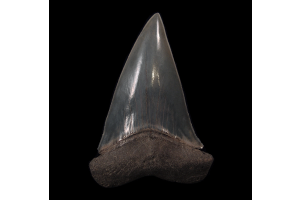
You don’t need luck to find fossils. You need to read the ground. Many diggers rush into sites and miss the signs that lead to valuable finds. Layers in sediment tell the story. If you spot the right clues, you raise your chances of finding complete megalodon teeth. If you skip the signs, you end up pulling broken pieces from dead zones. Let’s break it down. You can learn how to spot true megalodon tooth ledges and avoid wasting time in the wrong places.
Fossil Layers Give You the Clues
Sediment never drops randomly. Water sorts material by weight and flow. Coarse gravel settles first, followed by sand, and then fine clay. Over time, these layers stack and form clear lines in rock and soil. You’ll spot these lines in cut banks, creek walls, and riverbeds. Some layers feel soft. Others feel packed and firm. Fossils settle in the transition zones. When one layer shifts into another, especially near old shell beds, that zone creates the perfect trap. You want to find that shift, not the loose material above it.
Real Ledges Look Simple but Hold Treasure
Productive ledges do not stand out unless you know what to watch for. You might see a flat shelf tucked into a river wall. You might feel a firm band of packed sediment just below loose gravel. When water moves fossils around, it drops heavier objects into those stable shelves. Teeth don’t float. They fall fast and stay in place when a solid layer locks them in. You don’t need to dig everywhere. You need to find where the earth stored the teeth and read that zone correctly.
Shell Beds Can Signal Good Ground
When you notice a layer packed with broken shells, stop and pay attention. Shell beds often hold more than just fragments. They point to slow-moving water where material gathered. That same flow likely dropped heavy objects nearby. Look just above or just below the shell zone. Many collectors find teeth sitting in the small gaps between broken shell pieces. Those beds also protect fossils from damage. If you see shells compacted in a clean layer that stretches across a site, treat that as a clear sign to explore deeper.
Erosion Can Work in Your Favor
Water moves the earth constantly. Heavy rains, strong tides, and runoff from slopes can cut into banks and expose new ledges. When that happens, you gain a chance to see what lies beneath. Erosion often reveals hidden layers without much effort. You don’t need to guess. You can walk along the edge and read the sediment like a map. Focus on clean horizontal bands with visible grain shifts. If the layer holds together while the material above it crumbles, you likely found a ledge worth checking.
Midpoint Reminder on Megalodon Tooth Ledges
Many fossil hunters rush and dig widely. Few stop to study the spot. If you take the time to read the ground, you’ll start to see patterns. You’ll learn how megalodon tooth ledges form and why they matter. These ledges often hide just a foot below the surface or sit along drop-offs in creeks and seabeds. You’ll find more success when you focus on specific sediment changes instead of random digging. Let the earth guide your effort, and it will reward you with better finds.
Skip the Zones Others Worked
You can avoid frustration if you know what a working site looks like. Loose piles of sediment, scattered fossil pieces, and broken shells tell you someone has already dug through that area. You won’t find much there. Instead, look for undisturbed soil and solid layers with no tool marks. Productive ledges keep their shape. When you feel the ground collapse easily under your hand, you’re not on solid fossil ground. Don’t waste energy in churned-up areas. You want zones that stay firm and show signs of original deposition.
Learn What Teeth Need to Survive
To find complete megalodon teeth, you need more than luck. You need time, pressure, and the right environment. A solid ledge locks a tooth in place and protects it from current, friction, and collapse. That keeps the serrations, edges, and enamel intact. Weak zones break teeth apart over time. When you focus on stable fossil layers, you boost your odds of finding teeth with full roots and clean structure. That’s why sourcing locations matter so much. They shape what you see and how well it survives.
Use All Your Senses in the Field
Pay attention to everything when you approach a fossil site. Look for flat zones near river bends, dips in a shelf, or undercut walls with visible layers. Press your hand against the surface. Does it give in easily, or feel compact? Use your eyes to trace the length of a layer. Productive ledges stretch and show a pattern. They don’t end in random patches. If you dive, feel for firmness along underwater shelves. You want a stable area where sediment rests and hasn’t washed away.
Read Each Layer Like a Book
Each line in a wall or cut tells you something. Light tan might signal sand. Gray often means clay or mud. You’ll notice a color shift when one condition ends and another begins. Those shifts usually trap material. Fossils gather where the change happens. Follow that line. Dig slowly along the edge. Don’t break through all the layers at once. Work each one and see what it holds. Many new collectors miss this step and dig past the target zone without noticing it.
Avoid Common Mistakes that Waste Time
Don’t dig through soft dirt without checking the layers. That usually leads nowhere. Avoid chasing color alone. A dark layer might catch your eye, but it needs structure to hold fossils. Avoid areas with large amounts of crushed pieces or broken teeth. That indicates the site has lost its original form. Stay sharp and alert. Watch how water moves in and around the spot. Slow water tends to deposit. Fast water takes things away. You want to find where things settle, not where they vanish.
Connect It Back to the Teeth You See
The best megalodon teeth on our site didn’t come from luck. We searched specific ledges where preservation happens naturally. That’s why those teeth still show edges, symmetry, and strength. Teeth from strong fossil layers come out intact. You won’t find those in scattered gravel or surface scrap. If you hunt fossils, you should care where they came from. If you buy them, you should want to know what preserved them. The better the layer, the better the fossil. It’s that simple and that clear.
Learn from the Ground and Improve Every Trip
You don’t need fancy gear or years of experience to improve your fossil hunts. You need to observe. The more you read and test the ground, the better you become. Each trip teaches you something new. Keep notes. Mark locations. Track which layers gave you teeth. Use that data on your next trip. When you focus on reading fossil layers and spotting ledges, you raise your chances of success. You waste less time and find more value. Let knowledge guide your next dig.
Final Thoughts
You now know what separates guesswork from thoughtful collecting. You understand how water forms layers and how fossils become trapped within them. You see how erosion, color change, and compacted sediment can lead you to success. When you focus on true megalodon tooth ledges, you do more than hunt. You follow a process that brings real results. Stick with it. Trust your eyes. Dig where the layers speak to you. Let the ground lead you to teeth worth keeping and stories worth sharing.
Footnote
Fossil ledges do more than hide teeth. They preserve history and reveal the conditions that shaped life millions of years ago. When you learn to read them, you learn to find more.