

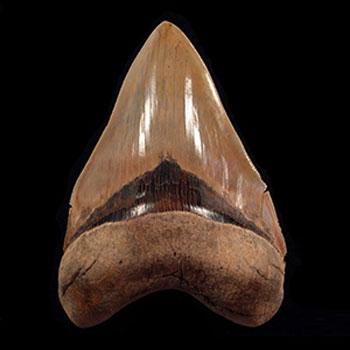
You walk along North Myrtle Beach and spot something in the sand. You pick it up and realize it might be a megalodon tooth. That moment feels unreal. You carry history in your hand. A megalodon tooth found in North Myrtle Beach sparks questions many beachcombers never expect to face. But what do you do next? Can you keep it? Can you sell it? You need answers. This guide helps you understand what to do if you find a tooth like that. We focus on clarity. We speak directly. You should walk away with the confidence to make an informed choice.
Understand the Rules Before You Sell
South Carolina allows fossil hunting on public beaches. That includes places like North Myrtle Beach. If you pick up a megalodon tooth while strolling along the shoreline, you likely own it. But selling it works differently. You need to check where you found it. If the tooth came from protected land, state law may block you from selling it. If you saw it on private property, you must have permission to collect anything there. Without that, selling raises legal issues. Always take notes and photos when you find something valuable. Those small steps build proof.
Learn How to Identify a Megalodon Tooth
Many people assume they hold a megalodon tooth when, in fact, they do not. Tooth shape, size, and features help you distinguish one from another. Look for a broad, triangular shape with sharp serrated edges. Megalodon teeth often stretch beyond three inches and feel heavy in the hand. Other shark teeth may look similar but tend to run smaller or smoother. You do not need to guess. You can compare your tooth to verified examples from trusted sources. The comparison helps you understand what you have and prevents mistakes when listing or pricing it.
Know What Makes a Tooth Valuable
Buyers care about size first. Large teeth grab attention fast. But size alone does not set the value. Collectors look for conditions. A tooth with sharp edges, precise serrations, and no cracks will earn more interest. The color matters too. In North Myrtle Beach, many teeth take on a darker tone due to the presence of sediment in the area. Unique colors or textures attract serious buyers. When you can explain where you found the tooth, that adds story and credibility. Buyers love history. They want to know the journey behind what they purchase. Sharing that journey improves your chances of making a successful sale.
Avoid Mistakes That Could Cost You
Many sellers rush to market before learning the basics. Some clean their teeth poorly or skip cleaning them altogether. Others post blurry photos or give no size reference. These mistakes push buyers away. If you plan to list a megalodon tooth found in North Myrtle Beach, take the time to present it properly. You should clean the tooth gently and take clear pictures from multiple angles. Always show scale using a ruler or coin. Write a summary about when and where you found it. Do not guess or exaggerate. A simple, honest listing performs better than one filled with hype or vague claims. Buyers respect the truth. You build trust when you stay accurate.
Choose the Right Place to Sell
If you choose to sell, focus on the right places. Fossil-specific platforms attract people who know what they want. These platforms help you avoid lowball offers and questions from people who do not understand fossils. You can speak the same language as your buyers. Include complete details in your listing. Explain the size, color, condition, and location where you found it. Show the tooth from all sides. Buyers cannot touch the item. They rely on your words and images. Give them enough to feel confident. That comfort leads to stronger offers and faster decisions.
Set a Fair Price for What You Have
You must price your tooth with care. Compare similar items to notice the differences in size and condition. Use those details to guide your price. Do not copy a random listing. Make sure the price you set reflects your tooth, not someone else’s. If your fossil has damage or worn edges, you may still sell it, but not at a premium. Some buyers may offer trades instead of cash. That works well if you want to build your collection. Be open to options. Many fossil collectors start with one sale and grow from there.
Consider Keeping It for Personal Meaning
You do not need to sell. Many people decide to keep what they find. That choice often comes from the connection they feel with the moment of discovery. You can share the story with family or place the tooth in a personal display. Some donate their finds to schools or museums, especially if the tooth shows precise detail. You add value when you use a fossil to teach others or to spark curiosity. A worn tooth may not fetch much, but it can still carry meaning. Your choice should reflect what feels right to you.
Reach Out If You Want Expert Help
You can ask for guidance at any point. You do not need to figure everything out alone. We work with fossil hunters and collectors who face these same questions. Our listings offer a helpful way to compare your tooth with known examples. We value honesty, experience, and shared learning. You can rely on our expertise to steer you in the right direction. Whether you want to sell, collect, or learn more, we welcome your curiosity. We aim to support you, not sell to you. That difference keeps our approach grounded and real.
Make a Thoughtful Choice That Feels Right
If you find a megalodon tooth in North Myrtle Beach, take a moment to appreciate what you hold. A megalodon tooth found in North Myrtle Beach brings more than curiosity. It brings a sense of responsibility and the need to make informed decisions. Then ask the right questions. What do you want to do with it? Can you sell it? Should you keep it? Start by understanding the rules and the value. Look at what others have done and learn from their steps. Your fossil might carry more than monetary worth. When you treat it with care and respect, you unlock something greater. You hold a piece of natural history. That story deserves your attention and your thoughtful action.
Footnote
Always review current state rules before collecting or selling fossils to ensure you follow legal guidelines.






