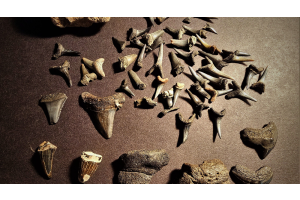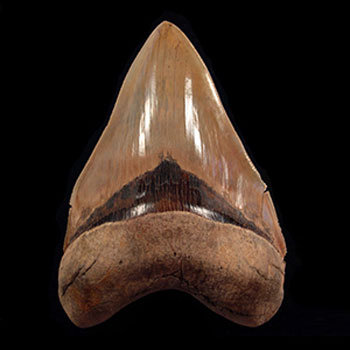
When we think about prehistoric predators, few are as jaw-dropping as the megalodon. Known as the largest shark to have ever lived, this ancient creature left behind fossils that continue to spark awe and fascination, most notably its teeth. These teeth are more than relics; they’re windows into a time when the oceans were ruled by true giants. If you're here because you're curious about how big a megalodon tooth can get, you're not alone. Many collectors, fossil enthusiasts, and educators find themselves drawn to the sheer size and striking appearance of meg teeth, which have become prized pieces in fossil collections across the world.
Understanding the Size Range of Megalodon Teeth
Megalodon teeth vary significantly in size, but they are generally large by any standard. While smaller specimens may measure around 3 inches, many reach over 5 inches in length. Teeth exceeding 6 inches are rare and highly sought after. The largest authenticated megalodon tooth ever discovered measures about 7.48 inches in length. This sets the benchmark for the most extreme examples of this fossil.
The size of a tooth often corresponds to the part of the jaw it came from. Anterior teeth, the ones located at the front of the jaw, are usually larger and more symmetrical. In contrast, posterior teeth are smaller and narrower. This variation helps paleontologists and collectors determine the origin and value of a given tooth.
What Tooth Size Tells Us About the Megalodon
One of the most fascinating aspects of meg teeth is how much they reveal about the animal itself. Scientists estimate that a single inch of tooth length correlates to roughly 10 feet of body length. So, a 6-inch tooth likely came from a shark that was around 60 feet long. This puts the megalodon in a size category far beyond any modern shark.
To put it in perspective, the largest great white sharks today average 15 to 20 feet. A megalodon could be more than three times that size. These measurements aren’t just interesting. They help researchers reconstruct the anatomy and behavior of a shark that lived millions of years ago.
Factors That Influence Tooth Size
There are several reasons why meg teeth vary in size, and understanding these factors can help explain the wide range found in collections:
● Jaw Position: As mentioned, teeth from the front of the jaw tend to be larger.
● Age of the Shark: Like humans, megalodons went through growth phases. Juvenile teeth are naturally smaller.
● Sexual Dimorphism: Some studies suggest that female megalodons may have been larger than males, which would affect tooth size.
● Geographic Origin: Fossils from different locations sometimes show slight variations in size and shape, likely due to environmental conditions and local prey availability.
Why Large Teeth Are So Rare
While thousands of megalodon teeth have been found, only a small percentage exceed the 6-inch mark. The reason lies in a combination of biology and fossilization conditions. Large teeth came from mature sharks that lived long enough to grow them. Not all sharks reached this stage, and even fewer died in environments conducive to fossil preservation.
In addition, fossil hunting conditions play a role. Teeth found in rivers or dredged from the ocean floor are often worn, broken, or incomplete. The best-preserved examples are usually discovered in sedimentary layers where minerals gradually replaced organic material. This natural process preserved the tooth in its entirety. That rarity drives collector interest and market value.
Collecting and Displaying Meg Teeth
For collectors, finding or acquiring large meg teeth is often a highlight. These fossils are not just remnants of history. They are centerpieces of display cases and educational tools in classrooms. Many are preserved in their natural state, while others are lightly restored to repair chips or stabilize the root.
Whether mounted on a stand, placed in a display case, or incorporated into fossil art, large megalodon teeth serve as both educational items and conversation starters. Their serrated edges, enamel sheen, and distinct triangular shape make them instantly recognizable and visually compelling.
How Big Teeth Affect Value and Appeal
Size plays a major role in how a meg tooth is valued. A 3-inch specimen may be relatively affordable and common, while a tooth over 6 inches, especially in excellent condition, commands a premium. Other factors include:
● Preservation Quality: Intact serrations and an undamaged root increase value.
● Coloration: Some colors, such as jet black or coppery brown, are especially popular with collectors.
● Authenticity: Restoration or repairs can reduce the desirability of a tooth unless disclosed clearly.
Each of these elements contributes to a fossil’s appeal. Tooth size is only one part of the overall picture, but it is one of the most important.
Why Interest in Megalodon Teeth Keeps Growing
Even though the megalodon has been extinct for millions of years, public interest hasn’t waned. Movies, documentaries, and scientific discoveries continue to fuel fascination with this ancient predator. Meg teeth, as the most accessible and dramatic fossils linked to the species, act as a physical connection to that curiosity.
They are not just objects. They spark questions about Earth's past, oceanic evolution, and extinction. For young fossil hunters and seasoned collectors alike, these teeth hold stories that stretch across millennia.
What to Look for When Buying Meg Teeth
If you’re considering adding a tooth to your collection, start by focusing on key criteria:
● Size and Shape: Choose according to your budget and interest. Anterior teeth are especially prized.
● Condition: Look for minimal wear and complete roots if possible.
● Source Transparency: Buy from trusted sellers who disclose any repairs or restoration.
Larger teeth often come with higher prices, but they also offer greater visual impact and historical intrigue. As with any fossil, the more you know about what you're buying, the more satisfying the experience will be.
Final Thoughts: A Giant's Legacy in Fossil Form
So, how big can a megalodon tooth get? The answer is up to nearly 7.5 inches, impressive enough to stop anyone in their tracks. These fossils are a tangible reminder of a time when the oceans were home to creatures that dwarfed anything swimming today. For many, the fascination with meg teeth begins with one look at their immense size and leads to a lifelong interest in prehistoric life.
If you're thinking about exploring or expanding your fossil collection, large megalodon teeth are among the most iconic and impactful pieces you can own. Whether you’re drawn in by their scientific significance, their sheer size, or their striking appearance, there’s no denying the lasting appeal they hold.
We believe that fossils like these help bring the ancient world closer to us. At Buried Treasure Fossils, you’ll find a wide selection of megalodon teeth that reflect the awe-inspiring scale and story of this legendary predator.
Discover genuine megalodon teeth for your collection. Explore our selection and bring prehistoric history home. Contact us to learn more.