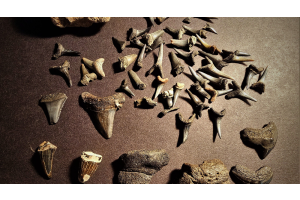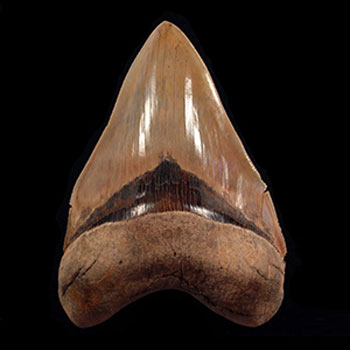
The allure of the megalodon is impossible to ignore. For fossil collectors, divers, and paleontology enthusiasts, these prehistoric sharks spark a unique fascination. While many seek out massive adult teeth as trophies, identifying a baby megalodon tooth offers a different kind of thrill. We’ve worked with countless fossil specimens and understand the curiosity around juvenile megalodon teeth. In this guide, we’ll explain what these smaller fossils look like, how to distinguish them from other shark teeth, and why they’re a worthy addition to your collection.
What is a Baby Megalodon Tooth?
A baby megalodon tooth is exactly what it sounds like: a fossilized tooth from a juvenile megalodon shark. Unlike adult teeth that can exceed 6 inches, these teeth typically measure between 0.75 and 2 inches. Their size reflects the young shark’s age, likely within its first year or two of life. Although small, these teeth are still distinct and powerful-looking, showcasing the megalodon’s characteristics even at an early stage. The baby megalodon tooth often resembles a miniature version of its adult counterpart, which is part of what makes them so fascinating to identify.
Key Features of Juvenile Megalodon Teeth
To properly identify a juvenile megalodon tooth, it's essential to focus on specific visual traits. These features help set them apart from the teeth of other large prehistoric sharks like Carcharocles angustidens or great whites.
1. Shape and Proportions
Even at a small size, juvenile megalodon teeth maintain the broad triangular shape typical of adult megalodon teeth. However, they often appear narrower and less robust. The cusp tips tend to be slightly more curved or pointed compared to the wide, flat profile of adult teeth.
2. Serration Detail
One defining trait of megalodon teeth, whether juvenile or adult, is serration. The baby megalodon tooth usually features very fine, sharp serrations along the edges. Under magnification, these tiny serrations can still be observed, even if some wear is present due to age or environmental exposure.
3. Root Structure
The root of a juvenile tooth is typically less developed. It will appear thinner and more fragile than that of a full-grown specimen. In many cases, the root is more rounded and shallow, offering another visual cue to distinguish youth.
Size Comparison: Baby vs. Adult Meg Teeth
When collecting or purchasing fossils, size is one of the most obvious indicators of maturity. While adult teeth can exceed 6 inches in length, juvenile specimens are usually less than 2 inches. That said, not every small tooth is from a young megalodon. Some teeth belong to other species entirely. This is where identifying a baby megalodon tooth becomes more nuanced, relying on shape, serration, and root detail rather than size alone.
Where Are Juvenile Megalodon Teeth Found?
Juvenile megalodon teeth are often discovered in locations known as prehistoric nurseries. These are areas where fossil evidence suggests young sharks were born or raised. Such locations typically feature shallower marine environments and a high concentration of small fossil teeth. Florida, South Carolina, and North Carolina are prime regions for finding baby teeth due to sedimentary deposits from the Miocene and Pliocene epochs.
Baby Megalodon Teeth vs. Other Juvenile Shark Teeth
It's easy to confuse small fossil shark teeth with those from baby megalodons. Species like Carcharocles angustidens and Carcharodon carcharias (great white) also produce small, triangular teeth with serrations. However, baby megalodon teeth are usually broader and more symmetrical. The serrations tend to be finer and more consistent, and the overall appearance mimics that of larger megalodon teeth in miniature form.
When buying, always verify the source and request measurements, close-up images, and geological origin to confirm authenticity.
How Collectors Value Juvenile Megalodon Teeth
While they may not command the same price as giant specimens, baby megalodon teeth have a dedicated place in the fossil market. Collectors appreciate their rarity, especially when in excellent condition with complete roots and visible serrations. These teeth are often seen as starter fossils for new enthusiasts or as specialty items for seasoned collectors seeking variety.
Condition plays a huge role in determining value. A well-preserved baby megalodon tooth with sharp serrations and minimal wear can fetch a notable price, especially if it comes from a well-documented fossil site.
Tips for Identifying Authentic Baby Megalodon Teeth
To ensure you're acquiring a genuine juvenile megalodon tooth, follow these tips:
● Compare with Verified Specimens: Use high-quality images from reputable sellers to compare traits like serrations, root shape, and overall profile.
● Check the Geological Context: Look for specimens found in Miocene or Pliocene deposits, the time period when megalodons lived.
● Look for Broad Triangular Shape: Even small teeth should show the characteristic wide, triangular profile.
● Avoid Confusing with Similar Species: Know the common features of other sharks to avoid misidentification.
● Buy from Trusted Sources: Reliable fossil dealers typically provide full provenance and clear images.
Why Baby Megalodon Teeth Matter to Enthusiasts
For those passionate about prehistoric life, a baby megalodon tooth offers a unique glimpse into the life cycle of one of the ocean’s most powerful predators. They’re more than miniature fossils. They are windows into the shark’s early development and behavior.
Adding juvenile teeth to your collection shows depth and curiosity. It reflects an interest in the complete story of the megalodon, not just the record-breaking sizes of its adult teeth.
Final Thoughts: Adding a Baby Megalodon Tooth to Your Collection
Whether you're just beginning your fossil journey or expanding a well-established collection, identifying and acquiring a baby megalodon tooth is an exciting step. These teeth combine scientific intrigue with collectible appeal, offering insight into one of history’s most iconic marine predators.
At Buried Treasure Fossils, we take pride in offering authentic, well-documented megalodon teeth, including juvenile specimens, from trusted fossil locations. We understand what collectors look for and strive to provide detailed listings that help you make confident decisions.
If you're ready to explore the world of juvenile shark fossils, a baby megalodon tooth is a rewarding and fascinating place to begin.
Explore our collection of authentic baby megalodon teeth. Contact us today and find the right fossil to enhance your collection.