Page 10 - Blog
- - December 04, 2025
The allure of owning a megalodon tooth is undeniable. These massive fossilized remains, once belonging to the largest predatory shark in history, carry immense historical, scientific, and collector value. As interest grows, so does the number of replicas and misidentified specimens on the market. We’ve handled countless authentic fossils, including Venice Beach megalodon teeth, and know exactly what separates the real from the fake. Whether you’re a seasoned collector or buying your first fossil, this guide will walk you through everything you need to evaluate a tooth's authenticity with confidence.
Understanding the Basics: What Makes a Tooth Genuine?
Authentic megalodon teeth are fossilized remains, often millions of years old, typically discovered in marine sediments. These teeth vary in size, coloration, and condition, depending on their location of discovery and the preservation conditions.
Megalodon teeth can range from under 3 inches to over 7 inches in length. The most desirable
- - December 04, 2025
When we talk about the ocean’s most fearsome predators, the megalodon always comes to mind. This prehistoric giant shark lived millions of years ago and left behind fossils that continue to amaze scientists and collectors. Among its most prized remnants are its massive teeth, which raise an intriguing question: how big was the megalodon tooth, and could it be the largest tooth ever found in history?
At Buried Treasure Fossils, we’ve spent years helping collectors and enthusiasts connect with some of Earth’s most incredible remnants from the deep past. One of the most captivating of these is the megalodon tooth found in various locations around the world. These fossils represent a remarkable glimpse into a time when giants ruled the oceans.
A Prehistoric Predator Like No Other
The megalodon, formally named Otodus megalodon, lived approximately between 23 and 3.6 million years ago. As one of the largest marine predators in Earth's history, this shark is believed to have grown up to 60
- - December 04, 2025
Long before the beaches of North Carolina became a favorite spot for family vacations, the waters that now surround Ocean Isle were home to some of the most powerful predators the Earth has ever known. These enormous sharks, known as megalodons, once ruled the seas with jaws strong enough to crush whales. Today, their legacy lives on through the fossilized remains of their teeth—some of which have made their way to the surface, sparking fascination for anyone lucky enough to stumble upon them. Among the most thrilling discoveries for fossil hunters is the megalodon tooth in Ocean Isle, a relic that connects our modern world to an ancient oceanic giant.
The Megalodon: Ocean’s Prehistoric Titan
Imagine a shark longer than a school bus with teeth as big as your hand—that was the megalodon. Scientists estimate it lived roughly 23 to 3.6 million years ago during the Miocene and Pliocene epochs. Its name, Carcharocles megalodon, literally means “giant tooth,” and for good reason. These massive
- - December 04, 2025
Holding a fossilized Megalodon tooth in your hand tells a story that stretches back millions of years. Collectors around the world continue to seek these prehistoric remnants, and among the most talked about sources today are fossils sourced from Indonesia. Interest in Indonesian Megalodon teeth is growing steadily, not just for their distinctive appearance but also for their increasing presence in the global fossil market. As more collectors show interest, the question naturally arises. Can buyers trust local Indonesian dealers to offer authentic Megalodon teeth?
Why Indonesia Attracts Attention in the Fossil Market?
Collectors pursue fossils that offer both visual impact and authentic backstories. In Indonesia, local diggers uncover Megalodon teeth in riverbanks and sediment-rich areas. These regions often preserve the teeth well, producing specimens with strong enamel and rare color variations. Over time, these locations have become key sources for large and intact fossil teeth. Collectors
- - December 04, 2025
The ocean’s most formidable predator — the Megalodon — roamed Earth’s ancient seas millions of years ago. Today, its legacy lives on in the form of massive fossilized teeth. At Buried Treasure Fossils, we specialize in offering authentic, high-quality Megalodon teeth for collectors, enthusiasts, and anyone fascinated by prehistoric marine life. Among our most striking finds is a large, gray-colored Megalodon tooth from South Carolina — a spike-like lower anterior specimen featuring good quality enamel and an extra-large black bourlette. With fair but worn serrations and a complete root showing minimal hydration cracks, this tooth is 100 percent natural with no repair or restoration. It's an impressive addition to any collection.
If you're wondering where I can find Megalodon teeth in Florida, or elsewhere, you’re not alone. This question reflects a growing interest in discovering and owning pieces of natural history. With our extensive catalog from renowned fossil-rich localities, we make
- - December 04, 2025
If you collect prehistoric shark teeth, the dream piece is obvious: the largest megalodon tooth you can find. It looks monumental. It anchors any display. And yes, it usually carries a premium. But is a giant tooth worth it for you? Here’s a clear, buyer-first guide grounded in what Buried Treasure Fossils actually offers collectors and dealers.
What Largest Megalodon Really Means
Collectors use crown height (measured along the slant) to compare teeth. Once a tooth crosses roughly the 6-inch threshold, most consider it “giant” or “trophy-grade.” Larger specimens exist, but each extra fraction of an inch becomes exponentially rarer and pricier. On the site, you’ll see that quality, size, and condition drive desirability; the biggest, best-preserved pieces are the rarest and typically command the most money.
Why the Largest Megalodon Tooth Commands a Premium
A tooth isn’t valuable just because it’s big. It’s the full package:
● Size: Bigger almost always costs more. True giants are
- - December 04, 2025
Many fossil hunters arrive in Florida with one goal in mind. They want to find a real megalodon tooth buried beneath the soil or riverbed. They bring their gear, they follow advice, and they work for hours, sometimes days. But often, they leave with empty bags and more profound questions. The issue rarely lies in their effort. The real challenge begins with knowing where to look and how to read the land. If you want to know where to find megalodon teeth in Florida, you must first understand why your current approach might not work.
How Ancient Florida Preserved the Megalodon’s Legacy?
Millions of years ago, Florida sat beneath a shallow sea. Megalodon, the largest shark that ever lived, swam these waters and left behind rows of massive teeth. Over time, these teeth settled into ancient seabeds that slowly turned into fossil layers. Today, erosion and water flow expose these layers in certain parts of the state. But not every place reveals its history equally. Some spots still hold treasure.
- - December 04, 2025
The awe-inspiring Megalodon tooth is more than just a fossil. It is a tangible connection to an ancient ocean predator that once dominated the seas with unimaginable size and power. Although the Megalodon has been extinct for millions of years, its fossilized teeth continue to be discovered across the globe, allowing us to marvel at the grandeur of prehistoric marine life. At Buried Treasure Fossils, we take immense pride in offering authentic Megalodon teeth to collectors, educators, and enthusiasts who appreciate these rare remnants from Earth’s distant past.
Megalodon teeth are remarkable not only for their size but also for their durability. Due to the unique way sharks replace their teeth continuously over their lifetimes, an individual Megalodon may have lost tens of thousands of teeth throughout its existence. This natural cycle of tooth replacement has resulted in an abundant fossil record, with countless teeth preserved in the ocean floor and coastal sediments over time.
Here
- - December 04, 2025
Design trends come and go. A real fossil never does. If you want a statement piece that mixes science with style, a Megalodon tooth is perfect. This guide shows you how to buy megalodon shark tooth specimens that look incredible at home or in a workspace, while staying true to what Buried Treasure Fossils actually offers.
Start With a Trusted Source
Only shop with a dealer that guarantees authenticity and clearly lists size, origin, and condition. Buried Treasure Fossils specializes in legally collected fossils and backs quality with an authenticity guarantee across categories.
Why does this matter for décor? You get the look you want and the provenance your guests will ask about. You also avoid “polished replicas” that disappoint when they arrive.
Pick the Right Size for the Room
Large rooms can carry a big tooth. Small rooms need subtlety. Think in inches and in sightlines.
● Entry or great room: 5–6+ inch showpieces command attention on a console, pedestal, or bookshelf. Buried
- - December 04, 2025
Imagine holding something so ancient, so powerful, that it connects you directly to one of the largest predators to ever exist. That’s exactly what it feels like when you cradle a real Megalodon tooth in your hand. For anyone curious about where to buy megalodon teeth, this journey goes far beyond collecting fossils—it’s about stepping into the world of prehistoric oceans, unlocking mysteries of evolution, and feeling the excitement that drives ocean science itself.
The Magic of a Prehistoric Giant
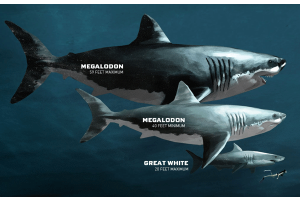
Millions of years ago, the ocean was home to the Megalodon, a shark that dwarfed today’s Great White. Reaching up to 60 feet long and weighing as much as 70 tons, this marine predator ruled the seas with unmatched power. Its teeth, some over seven inches long, are among the largest fossils ever discovered—and they’re the most direct clue we have about this extinct giant’s existence.
When you hold one of these fossilized teeth, you’re literally touching a piece of history from the Miocene and