Page 9 - Blog
- - January 05, 2026
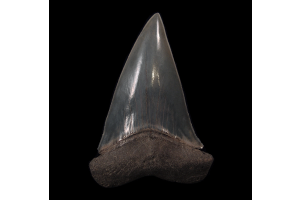
At Buried Treasure Fossils, we are proud to offer a truly exceptional fossil for collectors who seek something beyond ordinary—an Otodus Megalodon tooth from North Carolina. These magnificent teeth are more than relics from the past; they are treasures imbued with natural beauty, rarity, and history. Among all Megalodon teeth, the ones found in the Meherrin River’s Copper-Red Site stand out as some of the rarest and most visually stunning.
With its striking coloration and pristine preservation, this Otodus Megalodon tooth from Copper-Red Site is a top-quality example of what makes collecting fossils such a rewarding pursuit.
The Significance of the Meherrin River Copper-Red Site
North Carolina’s Meherrin River is home to a unique fossil bed known as the Copper-Red Site. This location has produced an incredibly limited number of Megalodon teeth over the years, and even fewer with the exceptional quality that makes them collectible. The vibrant copper red coloration of these fossils is
- - January 05, 2026
Sharks have ruled the oceans for millions of years. While they have taken many forms throughout history, few are as captivating as the enormous Megalodon and the powerful Great White. At Buried Treasure Fossils, we invite you to dive into the depths of ancient oceans by exploring the fascinating stories behind fossilized shark teeth. From their shape to their size, these relics open a window into a world long lost beneath the waves. When it comes to the Megalodon vs Great White tooth, there’s more than size that sets them apart — each tooth reveals secrets about two legendary predators and the environments they once ruled.
Let’s take a closer look at what makes these fossilized teeth so intriguing and why they remain such treasured finds for collectors and ocean enthusiasts alike.
The Legacy of Fossilized Shark Teeth
Fossilized shark teeth are among the most common and prized fossils found across the world. These ancient remnants are more than just minerals — they are snapshots of prehistoric
- - January 05, 2026
Many first-time buyers feel surprised when they browse listings for megalodon teeth for sale and notice vast price differences. One fossil may cost under a hundred dollars, while another may command several thousand. This variation raises questions. What exactly makes one megalodon tooth more valuable than another? The answer lies in a handful of factors that shape each fossil’s story and market value.
What Influences Prices for Megalodon Teeth for Sale?
Megalodon teeth attract collectors, educators, and fossil lovers for their history and uniqueness. Each tooth carries distinct features shaped by age, condition, and the environment in which it formed. Some display sharp serrations and glossy enamel, while others show signs of erosion. Some come from riverbeds known for preservation. Others originate from areas where natural forces affect how the tooth appears.
Buyers need to understand these traits before they make a purchase. Without that knowledge, they may overspend or miss the chance
- - January 05, 2026
The ancient oceans were once ruled by one of the most fearsome predators to ever exist – the Megalodon shark. With a name that literally translates to “large tooth,” the Megalodon lived millions of years ago and left behind fascinating remnants of its existence. Today, collectors, educators, and fossil enthusiasts are captivated by its massive, fossilized teeth – prized relics of a long-extinct marine giant.
At Buried Treasure Fossils, we are proud to offer authentic Megalodon teeth that serve as windows into Earth’s prehistoric past. These awe-inspiring fossils are not just rare collectibles, they are tangible pieces of history that allow us to better appreciate the scale and wonder of the natural world.
The Legend of the Megalodon: An Ocean Giant
The Megalodon shark is believed to have been the largest prehistoric marine predator to ever swim Earth’s oceans. Estimated to have reached lengths of up to 60 feet and weighed between 50 to 75 tons, this massive creature dwarfed modern sharks.
- - January 05, 2026
Shoppers often explore Megalodon teeth with one main goal in mind. They want to understand how value forms and what makes one fossil worth more than another. The megalodon tooth price depends on several clear, visible traits. These include size, condition, color, origin, and overall preservation. Serious collectors and first-time buyers both want fair pricing and honest detail. This guide will show you how prices are determined and what to look for before you add a Megalodon tooth to your collection.
Size Plays the First and Most Visible Role
Every fossil collector notices size first. Larger teeth draw attention because they are harder to find in complete form. Small teeth under four inches usually come at an accessible price. Teeth over five inches in length with clean features fall into a higher range. Once a tooth reaches six inches, it enters a new level of rarity. These specimens appeal to buyers looking for standout pieces. Size alone does not confirm value, but it provides the
- - January 05, 2026
Some fossils aren't content to sit quietly in a drawer or behind museum glass—they beg for stories to be told. In the rocky cliffs and desert sands of North Africa, a specific relic continues to capture curious minds. With serrated edges and ocean-aged enamel, the teeth of Carcharocles megalodon - Morocco offer more than a glimpse into prehistoric life. They stir questions about what once ruled the seas—and what remains in stone.
These teeth are more than collectibles; they are slices of a forgotten era. Let’s explore why these fossils from Morocco are making waves among collectors and paleontology enthusiasts alike.
A Glimpse Into an Ancient Ocean
Millions of years ago, before sand claimed the seafloor and tectonic shifts shaped continents, the region we now call Morocco was submerged beneath vast oceans. These waters were home to some of the fiercest marine predators ever to exist. Among them, the megalodon reigned supreme—its bite force unmatched, its presence legendary.
As the land
- - January 05, 2026
Long before curious learners and fossil collectors held a massive shark tooth in their hands, that relic began a remarkable journey shaped by ancient oceans, shifting continents, and millions of years of geological transformation. Within the first moments of imagining this prehistoric path, you might picture towering waves, enormous predators, and deep-sea landscapes that existed long before humans. And somewhere within that incredible timeline, the gigantic Otodus megalodon left behind the teeth that continue to captivate us today.
These extraordinary fossils connect us to a world that vanished more than three million years ago, yet they remain surprisingly accessible—especially in regions like coastal Georgia, where nature preserved them with exceptional care. At Buried Treasure Fossils, we’ve spent decades studying, sourcing, and sharing these remarkable teeth, helping collectors and science enthusiasts experience the awe of holding Earth’s ancient history.
When Giants Ruled the Miocene
- - January 05, 2026
Buying a Carcharocles megalodon tooth online is exciting. You’re not just shopping for a “cool shark tooth.” You’re choosing a real fossil that has survived for millions of years. That also means you need to be a bit careful. There are many sellers, many prices, and many quality levels. Some fossils are top-grade. Some are heavily repaired. Some are not worth the money at all. With a few simple checks, you can avoid common beginner mistakes and feel confident about what you’re buying.
Mistake 1: Skipping the Seller Check
Many beginners look only at the tooth and ignore who is selling it. This is risky.
Before you buy, always check the seller:
● Do they specialize in fossils, especially shark teeth?
● Do they show clear, close-up photos of the exact tooth?
● Do they give a full description (size, location, condition)?
● Do they sound knowledgeable about Carcharocles megalodon and fossil grading?
Trusted dealers like Buried Treasure Fossils build their business around real, well-described
- - January 05, 2026
Millions of years ago, an enormous predator ruled the oceans. With jaws wide enough to swallow a small car and teeth the size of your hand, the megalodon continues to captivate fossil hunters and collectors alike. Today, those razor-edged relics still wash up on shores, auction blocks, and museum displays—stirring wonder and curiosity. But how do you know if what you're holding is truly the real thing?
If you're eyeing a large, triangular tooth and wondering whether it once belonged to a prehistoric giant, you're not alone. Among fossil enthusiasts, nothing compares to the thrill of discovering a genuine megalodon tooth fossil—but unfortunately, replicas and fakes are far too common in the market.
Let’s dive into the subtle signs and textures that separate authentic teeth from the imitations.
Feel the Weight and Texture in Your Hands
Before anything else, pick up the tooth and notice how it feels. Authentic fossilized teeth have a weightiness that’s hard to replicate. Over thousands of
- - January 05, 2026
For serious fossil enthusiasts, museum curators, and educators, few discoveries ignite the imagination quite like a towering shark tooth from Earth’s most legendary predator. Within the first moments of encountering a fossil this massive, its geological age and sheer presence speak for themselves. Among these treasures, the 8 inch megalodon tooth stands in a category of its own—an elite benchmark for rarity, beauty, and scientific importance that we at Buried Treasure Fossils are proud to offer to high-end collectors and institutions.
The Extraordinary Rarity of an 8-Inch Tooth
The journey from ancient ocean floor to the hands of a modern collector is incredibly improbable for any Megalodon tooth, but achieving a slant height of eight inches pushes that improbability into near-mythical territory. By including an 8 inch megalodon tooth in the earliest sections of this discussion, it becomes clear why these massive fossils demand deep respect: fewer than a fraction of one percent of all